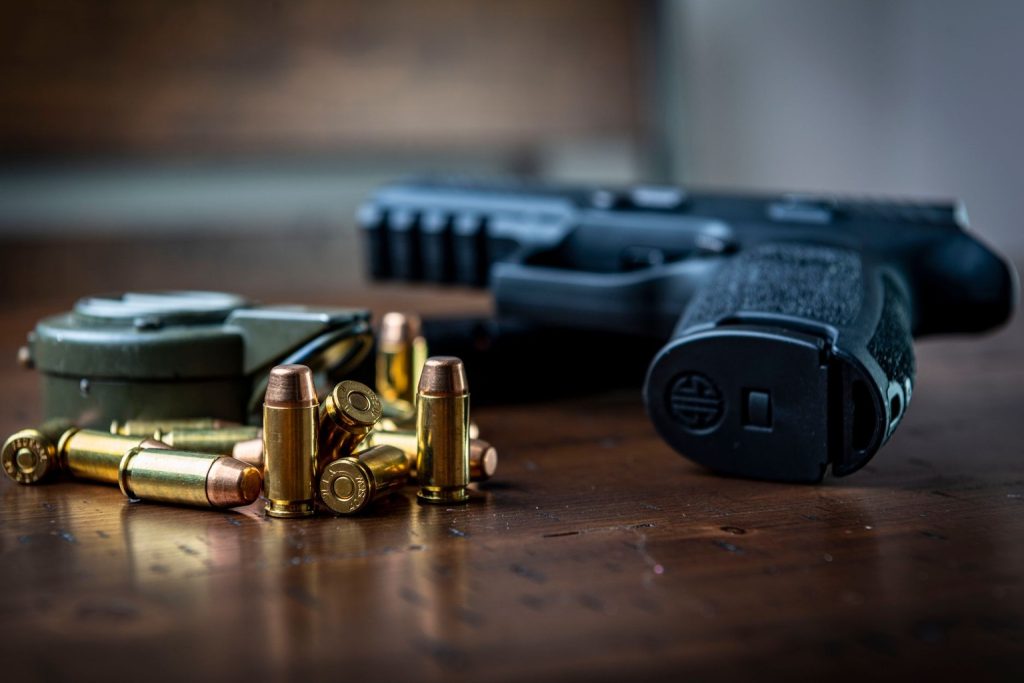
Choosing the proper projectile for a given task begins with understanding how each component behaves under pressure. The relationship between bullet weight, velocity, and barrel length creates a performance envelope that dictates accuracy and terminal effect. A round that excels in a short-barreled pistol may underperform in a long rifle, and vice versa. Understanding these variables allows a shooter to match construction and loading to the specific demands of the activity, whether that involves precision target work, hunting medium game, or defensive scenarios.
Understanding Cartridge Ballistics and Intended Use
Every projectile design carries a specific set of ballistic characteristics determined by its diameter, weight, and shape, best ammo for shooting disciplines. A heavier bullet retains velocity better over distance but may drop more sharply at longer ranges if launched from a slower velocity. Conversely, a lighter, faster projectile can maintain a flatter trajectory but often transfers less energy on target. For disciplines such as metallic silhouette or long-range plinking, the choice often falls on high-velocity .22 LR loads that minimize drop, while close-range defensive calibers prioritize expansion and weight retention. Recognizing these trade-offs is the first step toward consistent performance.
Barrel length plays a decisive role in how a given loading performs. Short barrels accelerate powder more slowly, resulting in lower muzzle velocities and increased muzzle flip. This can benefit shooters who prioritize controllability over raw speed, such as in practical pistol competition. Longer barrels, however, allow complete combustion, pushing projectiles to their advertised velocities and maximizing the effective range of the round. Matching the barrel length to the intended engagement distance ensures the projectile arrives on target with the desired energy level.
Rimfire Selection for Training and Plinking
Rimfire cartridges, particularly .22 LR, dominate the training and plinking sectors due to their low cost and manageable recoil. However, not all .22 LR rounds are created equal. Standard-velocity loads are ideal for developing fundamental marksmanship skills because they produce less report and recoil, allowing the shooter to focus on trigger control. High-velocity loads, while louder and snappier, offer flatter trajectories that are beneficial when practicing holdovers or wind drift estimation. Selecting the appropriate velocity for the specific firearm and target distance can significantly improve the training outcome.
Bullet construction within the .22 LR category also varies, with options ranging from round-nose target loads to hollow-point varmint loads. Round-nose bullets tend to penetrate deeper and are less likely to fragment upon impact with hard surfaces, making them safer for backyard ranges with backstops. Hollow-point designs expand rapidly, delivering more energy transfer for small game control. Understanding the intended target, whether paper targets or small game, guides the choice between these constructions, ensuring both effectiveness and safety.
Centerfire Options for Precision and Service
Centerfire cartridges offer a broader spectrum of projectiles and pressures, catering to disciplines ranging from long-range target shooting to personal defense. In precision rifle competitions, shooters often seek match-grade projectiles with consistent ballistic coefficients and uniform seating depths. These rounds are engineered to minimize variation between shots, grouping tightly at extended distances. For service-oriented disciplines such as duty carry or home defense, the focus shifts to reliable expansion and penetration through barriers, with jacketed hollow-point designs being the industry standard.
The selection process also considers the firearm’s action type. Semi-automatic pistols and rifles require cartridges that cycle the action reliably, meaning the pressure curve must be sufficient to operate the gas system or recoil spring. Revolvers, by contrast, are more forgiving of a wider pressure range but still benefit from ammunition that balances velocity and chamber pressure. Mismatching a high-pressure loading to a firearm not designed for it can result in excessive wear or, in extreme cases, catastrophic failure. Always consult the manufacturer’s recommendations regarding acceptable pressure ranges.
Hunting Considerations and Terminal Performance
Hunting scenarios demand ammunition that delivers sufficient energy to ethically harvest the intended game while accounting for varying shot angles and distances. Large-bore magnum cartridges, such as those chambered in .300 Winchester Magnum or .338 Lapua, are designed for long-range engagements with thick-skinned animals. These rounds drive heavy projectiles at high velocities, creating substantial hydrostatic shock and deep penetration. Conversely, varmint calibers like .223 Remington or .22-250 Remington prioritize fragmentation and rapid energy transfer to ensure clean kills on smaller targets without over-penetration.
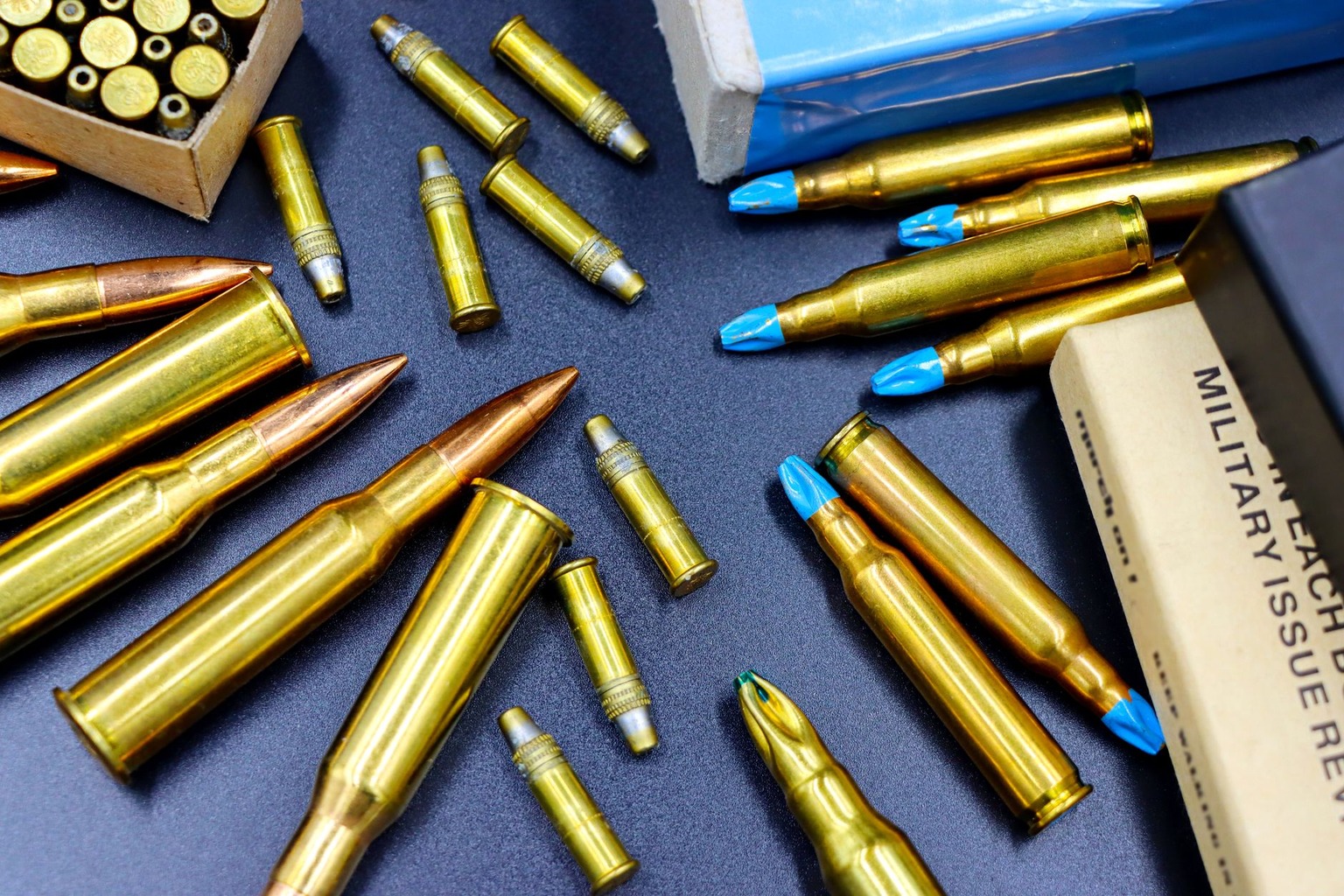
Bullet weight and construction are paramount in hunting loads. A 150-grain soft-point bullet may provide adequate performance for deer-sized game at moderate ranges, but a 180-grain bonded bullet offers deeper penetration for larger species like elk or moose. Partitioned or bonded constructions prevent the jacket from separating from the core upon impact, maintaining weight retention for deep wound channels. Selecting a projectile that matches the game species and typical engagement distance is a critical aspect of responsible hunting ammunition selection.
Competition and Practical Shooting Dynamics
Competitive shooting disciplines such as USPSA, IDPA, or 3-Gun impose specific demands on ammunition selection, balancing speed, accuracy, and reliability. In these venues, shooters often favor practice loads that cycle consistently through their match firearms without causing excessive fouling or recoil impulse that hinders rapid target transitions. Many competitors develop a “practice round” that mirrors the point of impact of their carry ammunition, allowing them to train with cost-effective loads while maintaining familiarity with their defensive loads’ point of aim.
The choice of projectile coating, such as coated vs. bare copper, can also influence performance in high-round-count competitions. Coated bullets often reduce leading in the barrel, a common issue when firing thousands of rounds during a single match. This reduction in fouling translates to more consistent accuracy over the course of the event. Additionally, the overall length of the cartridge must fit within the magazine well without causing feeding issues, a detail that often requires experimentation with different bullet profiles and seating depths to achieve reliable function.
Ammunition Storage and Shelf Life Factors
Beyond performance characteristics, the longevity of ammunition is a practical concern for any shooter stocking supplies for multiple disciplines. Modern centerfire cartridges, when stored in cool, dry conditions, can remain serviceable for decades. However, rimfire cartridges are more susceptible to moisture and temperature fluctuations, which can degrade the priming compound and affect ignition reliability. Using airtight containers with desiccant packs extends the usable life of both rimfire and centerfire stock, ensuring that older rounds function as reliably as freshly manufactured ones.
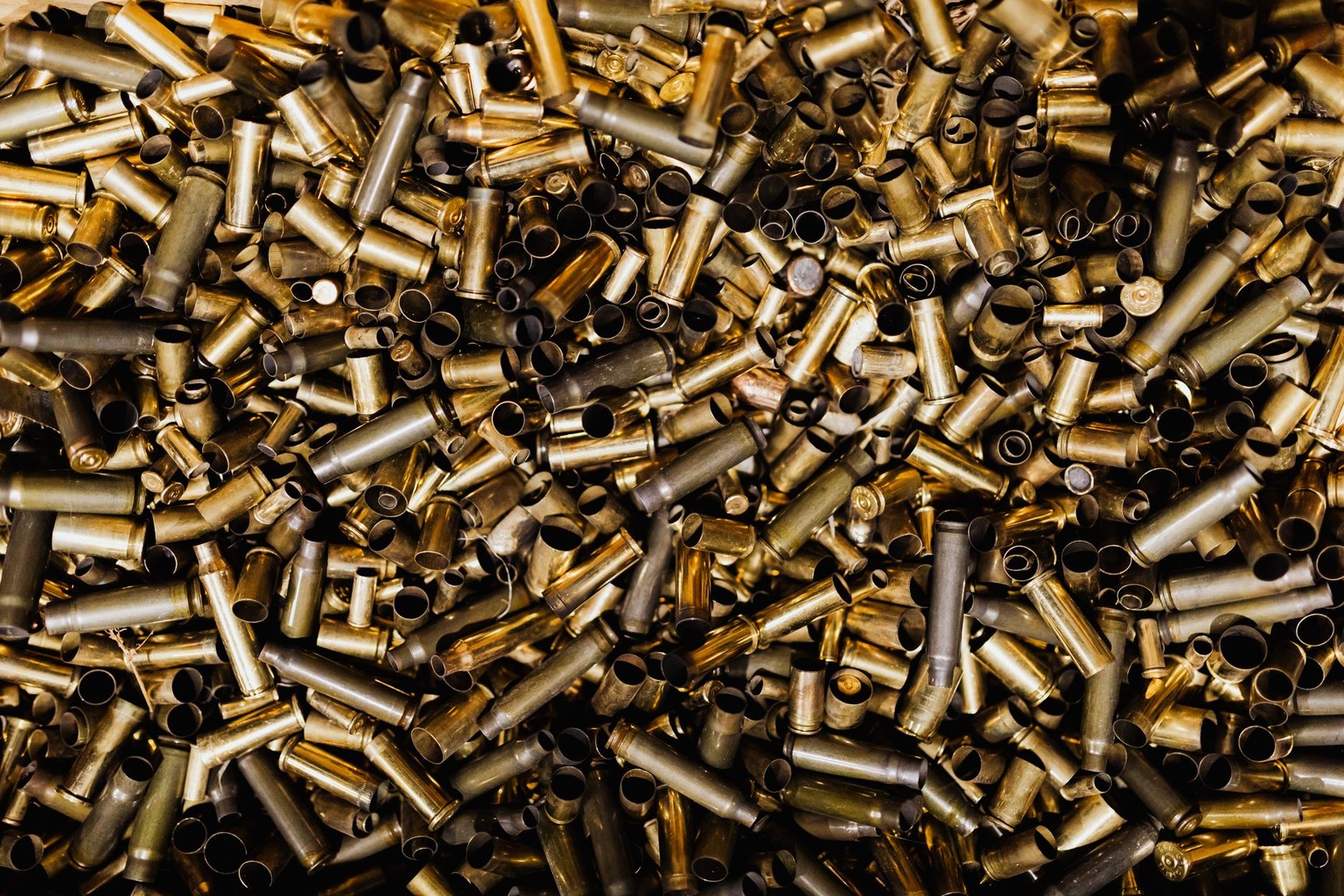
Rotating stock using a “first in, first out” methodology prevents the shooter from relying on aged ammunition for critical shooting activities. Checking for signs of corrosion, dented casings, or compromised primers before loading is a habit that safeguards both firearm and shooter. Investing in quality storage solutions, such as sealed metal cans or vacuum-sealed bags, protects the investment in ammunition and ensures that each discipline has a dependable supply of freshly performing rounds when needed.

I’ve been drawn to the world of firearms and edged weapons ever since I first visited a local shooting range as a teen. I love exploring the history, technology, and responsible use of these tools, and I enjoy sharing insights with fellow enthusiasts.