If you have ever watched a group of shooters using nearly identical AR-15 builds only to produce dramatically different groups at 100 yards, the barrel is usually the first variable you should suspect. The outer shape, or profile, of that barrel determines how much metal sits between the rifling and the ambient air, which directly controls heat retention, harmonics, and overall weight. A flat-top profile might feel agile in a dynamic scenario but struggle to maintain consistent point of impact after a long string of full-auto fire, while a heavy contour can hold zero for hours at the cost of carrying extra pounds. Understanding firearm barrel profile guide principles helps you match the hardware to your specific shooting goals rather than guessing based on aesthetics alone. This breakdown walks through the exact steps to evaluate, select, and install the right profile so your accuracy potential is not limited by a mismatched component.
Identifying Your Primary Shooting Role
Before you even look at specifications, you need to define exactly how the firearm will be used in daily life because a barrel that excels at one task often fails at another. If your primary activity is casual range practice with occasional short bursts, a lightweight profile reduces fatigue and allows for faster transitions between positions without feeling unwieldy. However, if you are building a dedicated precision rig for long-range target engagement, the added mass of a heavy contour becomes a non-negotiable requirement for stability during extended sessions. I have seen shooters complain about inconsistent groups at 300 yards on a build that was clearly optimized for speed and maneuverability, which is a classic case of role mismatch. Write down your top three shooting scenarios and rank them by frequency, because this list will dictate whether you prioritize weight savings or thermal mass in the next step.
The environment where you shoot also plays a significant part in this decision, particularly regarding how quickly you cycle through magazines and reload. In a confined indoor range, the extra length of a heavy profile might not matter much since you are not moving around as much, but the weight still impacts your comfort over a long day. Conversely, if you carry the firearm outdoors for extended periods, every ounce counts against your body, and a heavier barrel can make the whole platform feel sluggish during tactical drills. You must balance the desire for a premium feel against the reality of carrying the gun for hours without assistance. This honest assessment prevents the common mistake of buying a “showpiece” barrel that ends up gathering dust because it is too heavy to use regularly in your preferred setup.
Evaluating Contour Options for Heat and Weight
The three main contours you will encounter are light, medium (or hybrid), and heavy, each representing a different trade-off between mass and thermal capacity. A light profile, such as the standard military profile, offers the lowest weight but heats up quickly, causing the barrel to expand and shift your point of impact noticeably after just a few magazines of rapid fire. Heavy profiles like the Krieger or Bartlein contours contain significantly more steel, which absorbs heat more slowly and maintains consistent harmonics for much longer periods of sustained shooting. For most recreational shooters who do not fire full-auto strings, a medium contour provides the best compromise by offering enough mass to stay stable without adding excessive pounds to the front of the rifle. You should measure the weight difference between your current barrel and the proposed upgrade to see if the performance gain is worth the additional carry burden.
Heat management is not just about comfort; it is a direct factor in mechanical accuracy that affects how the barrel vibrates as it expands. When steel heats up, it grows in length and diameter, which can change the way the barrel flexes during the impulse of firing, leading to group dispersion if the harmonics are not stable. A heavy barrel acts as a heat sink, delaying this expansion process and keeping the vibrational pattern consistent for a larger number of rounds. This is why competitive shooters who fire hundreds of rounds per match almost exclusively use heavy contours regardless of the weight penalty they incur during transport. If you plan to do any sustained fire or competition shooting, investing in the extra mass is a functional requirement rather than a luxury choice.
Understanding Profile Shapes and Harmonics
The physical shape of the barrel, including where it tapers and how thick the walls are, dictates the natural frequency at which it vibrates after each shot. A uniform heavy barrel tends to have lower frequencies that are more stable over time, while lighter barrels with aggressive tapers can vibrate at higher frequencies that are more sensitive to external changes like hand pressure or temperature. Some manufacturers offer “precision” profiles that are designed specifically to maintain a consistent harmonic pattern even as the barrel heats up and expands. You do not need an engineering degree to understand this, but you should recognize that a barrel which is too light for your powder charge can ring like a bell and produce erratic groups. Testing a few different loads on your new barrel will reveal if the harmonics are stable or if you need to adjust your technique or equipment.
On the Wyoming Gun Company channel, they cover topics like crafting precision gunsmithing – you can watch it right here.
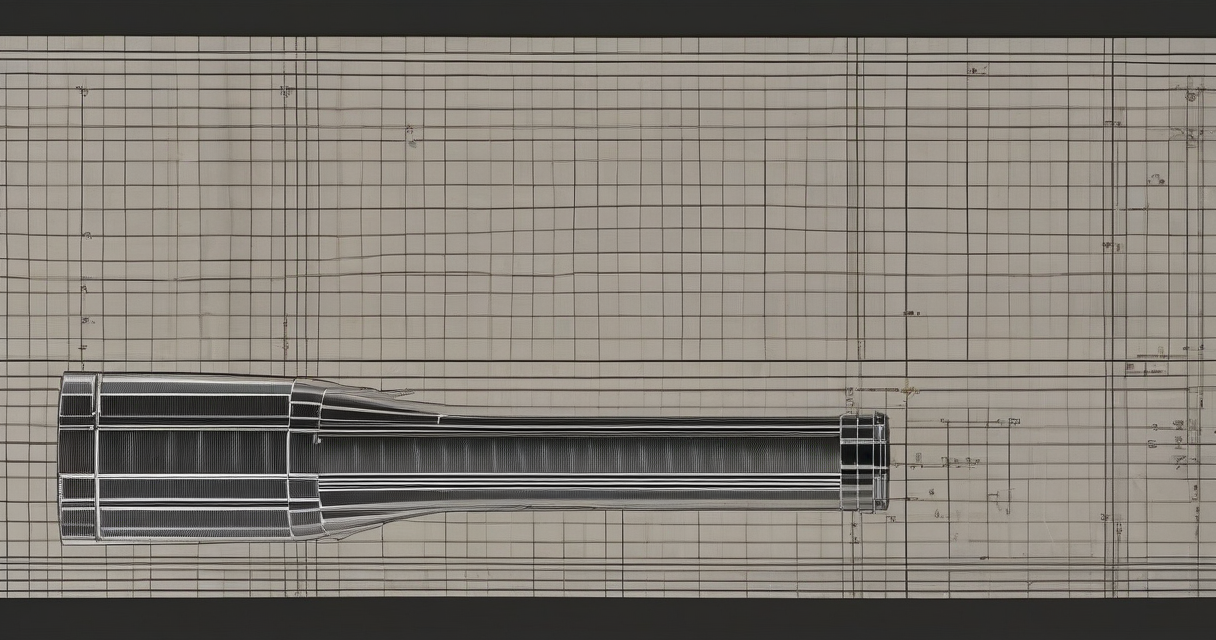
Barrel length also interacts with the profile to determine overall balance and velocity, so these two factors must be considered together rather than in isolation. A shorter barrel with a heavy contour might still be heavier than a longer barrel with a light contour, which affects how the rifle balances in your hands during quick draws. The center of gravity shifts forward as you add length or mass to the front, and this can make the firearm harder to control for fast follow-up shots. I recommend holding the empty rifle up at arm’s length and closing your eyes to feel where the balance point sits, as this tactile feedback is more accurate than any specification sheet. If the balance point feels too far forward for your style of shooting, you might need to reconsider either the length or the contour choice to find a better equilibrium.
Selecting the Right Material and Construction
Most modern precision barrels are made from 4150 or 416 stainless steel, each with distinct properties that affect both durability and accuracy. Stainless steel is generally more resistant to corrosion and can hold a tighter tolerance over time, which is beneficial for shooters who live in humid environments or do not clean their firearms as frequently. Carbon steel barrels are lighter and cheaper but require more diligent maintenance to prevent rust from forming on the exterior and inside the chamber. The type of steel also influences how the barrel ages, with stainless typically showing less wear after thousands of rounds compared to carbon steel alternatives. Choose your material based on your maintenance habits and local climate rather than just looking at the initial price tag.
The method of manufacturing the rifling, whether it is button-cut, hammer-forged, or fluted, has a measurable impact on long-term accuracy and lifespan. Button-cut rifling creates very clean, precise grooves that are ideal for maximum accuracy, while hammer-forged barrels offer exceptional durability for military use but may not hold the same level of precision out of the box. Fluting, which involves cutting slots along the exterior of the barrel, removes weight and helps dissipate heat without adding any functional complexity to the interior. You should verify that the rifling twist rate matches your bullet weight to ensure proper stabilization, as an incorrect match will result in poor accuracy regardless of the profile quality. A quick check of the manufacturer’s recommended bullet weights will save you from expensive mistakes later on.
Matching the Profile to Your Gas System
The gas system length and pressure must be compatible with your barrel choice to ensure reliable cycling without excessive wear or recoil. A shorter gas system on a longer barrel can create higher pressures that stress the action over time, while a longer gas system on a short barrel may cause weak cycling or failures to eject in cold weather. You need to understand how your specific build is configured before swapping barrels, as many issues are blamed on the new component when the real problem is a mismatched gas setup. I have repaired several rifles where the owner blamed a new barrel for reliability problems that were actually caused by an incompatible gas block length. Always verify that your gas system length corresponds to the barrel length and profile you intend to install to avoid mechanical headaches.
Profile thickness also affects how the gas block sits on the barrel, particularly if you are using a threaded or free-float setup for precision work. A very thin profile might not provide enough surface area for a secure gas block installation, leading to movement that impacts accuracy over time. Heavier profiles offer more metal to work with, making it easier to install accessories and maintain alignment during long shooting sessions. This is another reason why heavy contours are preferred for precision builds, as they provide a stable platform for all attached components. Check the specifications of your gas block to ensure it fits the outer diameter of your chosen barrel profile without requiring excessive force to install.
Installation Tips for Preserving Accuracy
Proper torque settings and alignment are critical during installation, as even a small amount of cross-threading can ruin the accuracy potential of a high-quality barrel. Use a torque wrench set to the manufacturer’s specified range, typically between 30 and 45 foot-pounds for most AR-platform barrels, to avoid stripping threads or damaging the chamber. Clean all mating surfaces thoroughly before assembly to remove any metal shavings or debris that could interfere with the gas seal or alignment. Take your time during this process, checking the alignment of the barrel extension and receiver multiple times before tightening the final bolts. A rushed installation is the most common reason why a new barrel does not perform as expected out of the box.
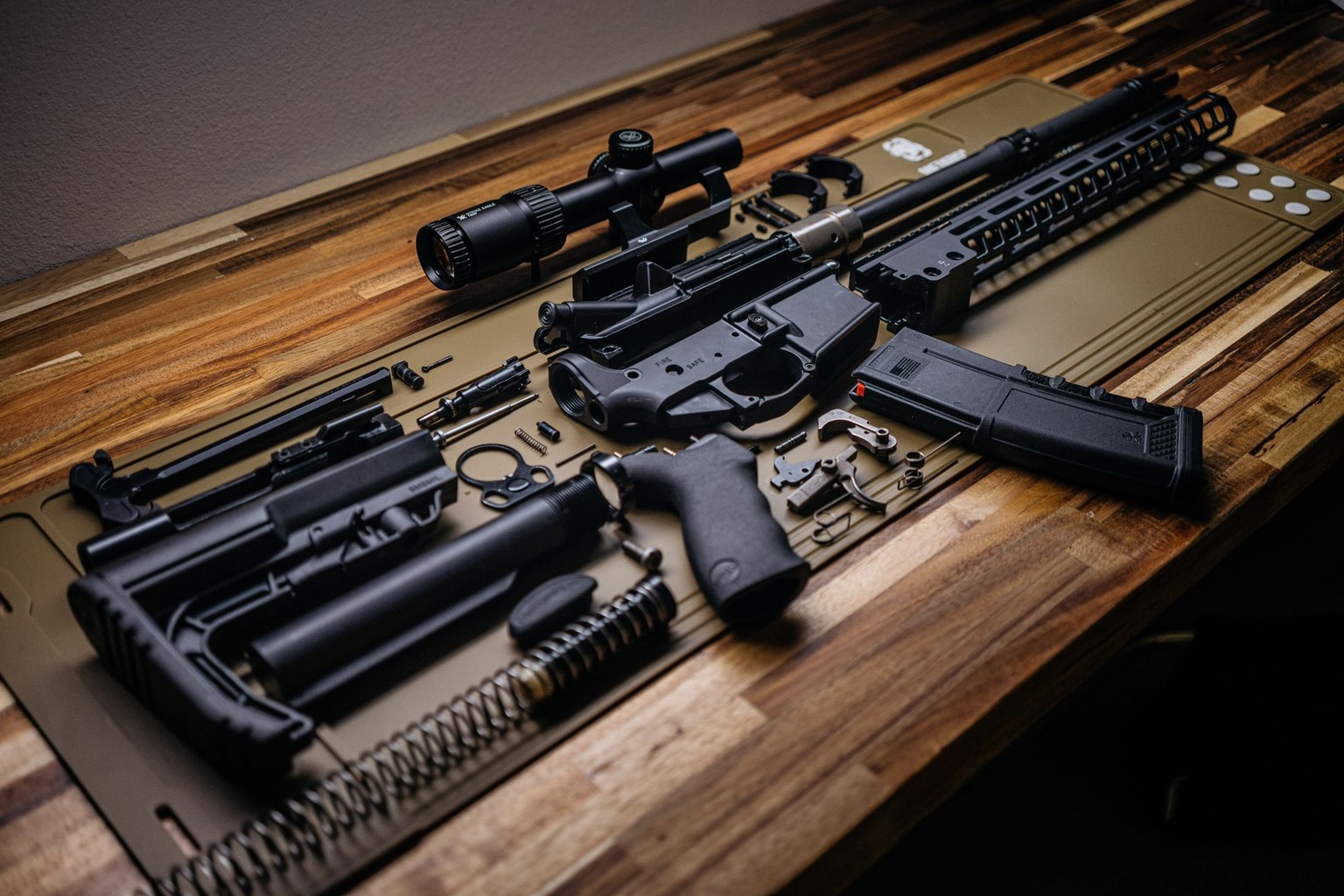
After installation, you must break in the new barrel properly to ensure the rifling lands are clean and consistent for accurate shooting. Fire a series of controlled groups at various distances, cleaning the chamber and bore after each batch to remove any factory oils or debris. This process helps seat the bullet in the rifling consistently and establishes a baseline for your accuracy testing. Do not expect match-grade performance immediately; give the barrel a few hundred rounds to settle into its natural state before making final judgments on its capabilities. Keep a log of your groups during this break-in period to track any changes in point of impact or dispersion as the barrel heats up.
Common Mistakes That Ruin Precision
One frequent error is choosing a profile based solely on aesthetics rather than functional requirements, leading to frustration when the rifle does not perform as hoped. Shooters often buy a heavy contour because it looks impressive on a display rack, only to find that it is too heavy for their intended use and ends up sitting unused. Another mistake is ignoring the importance of barrel harmonics, assuming that any heavy barrel will automatically be accurate without considering how it vibrates under load. You must test the specific combination of barrel, stock, and hand pressure to see if the harmonics are stable or if they shift with different shooting techniques. If you notice inconsistent groups that change with your grip, consider adjusting your support or using a rest to eliminate human variables from the equation.
Failing to account for heat buildup during sustained fire is another oversight that plagues many new owners of precision rifles. The barrel will expand as it heats up, causing the point of impact to rise and drift, which can be disorienting if you are not prepared for this behavior. Some shooters try to compensate by adjusting their sights constantly, but this is a temporary fix that does not address the underlying thermal issue. A better approach is to use a heavier profile that resists heat buildup or to plan your shooting sessions with breaks to allow the barrel to cool down. Understanding how your specific build reacts to heat will allow you to predict and manage point of impact shifts more effectively during long matches or hunts.

I’ve been drawn to the world of firearms and edged weapons ever since I first visited a local shooting range as a teen. I love exploring the history, technology, and responsible use of these tools, and I enjoy sharing insights with fellow enthusiasts.