
Mastering firearm safety rules is crucial before handling a gun or visiting a shooting range. These principles are not suggestions or range etiquette; they are the non-negotiable framework that prevents tragedy when mechanical safeties fail or human attention lapses. Every year, preventable incidents occur because a handler assumed a gun was unloaded or pointed the muzzle in an unsafe direction for just a second. Treating every weapon as if it is live, keeping your finger indexed along the frame until sights are on target, and verifying your backstop are habits that must be automatic before your first live-fire session. This guide walks you through the practical steps to build those habits from day one.
Verify Legal Status and Complete Mandatory Training
Before purchasing your first firearm, confirm that you meet all federal, state, and local eligibility requirements including age minimums, background check criteria, and any mandated waiting periods. Many jurisdictions require a certified safety course or hunter education certificate before a permit is issued, and skipping this step can result in felony charges. Schedule a class with an NRA-certified instructor or a state-approved provider who covers both legal statutes and hands-on manipulation drills. During training, ask specific questions about transport laws, storage mandates, and use-of-force statutes that apply to your municipality. Keep all certificates and receipts organized in a dedicated folder; you will need them for permit renewals and any future private transfers.
After completing the classroom portion, spend additional range time with the instructor to practice loading, unloading, and immediate-action drills using dummy rounds. This dry-fire repetition builds muscle memory without the pressure of live ammunition. Consult your instructor for a checklist detailing platform-specific steps, including proper sling options for your airsoft rifle. Review that checklist every evening for a week before your first solo range trip. Consistent review transforms abstract legal knowledge into procedural fluency that holds up under stress.
Select and Inspect Your First Firearm
Selecting the right firearm for home defense requires careful consideration of your needs and physical capabilities. A full-size 9mm pistol with a 17-round capacity may suit home defense, while a lightweight .22 LR rifle is ideal for fundamentals training due to low recoil and inexpensive ammunition. Visit a reputable dealer who allows you to handle multiple models; check grip circumference, trigger reach, and sight alignment with your dominant eye. Ensure the slide or bolt cycles smoothly and that the magazine drops free without binding. Reject any unit with visible tool marks, rough machining, or a gritty trigger that stacks unpredictably.
To maintain long-term safety, conduct a thorough inspection of your firearm under good lighting before handling ammunition. Field-strip the gun according to the manufacturer’s manual and examine the barrel crown, feed ramp, and chamber for burrs or corrosion. Verify that the extractor claw holds a cartridge rim firmly and that the ejector strikes the case head cleanly. Always test the safety lever, decocker, and slide stop on your airsoft gun with an empty magazine. If any component feels loose or operates inconsistently, return the firearm for warranty service immediately. Before starting any shooting session, ensure your airsoft gun is mechanically sound and reliable.
Master the Essential Firearm Safety Rules Through Dry Practice
Dry practice is where safe gun handling becomes subconscious, and it must happen in a dedicated area with zero live ammunition present. Remove all cartridges from the room, store them in a separate locked container, and visually confirm the chamber and magazine well are empty three times. Establish a consistent routine: pick up the gun, point it at a designated safe backstop such as a brick wall or a commercial bullet trap, and press the trigger only after verifying sights are aligned on a specific target point. Keep your trigger finger straight along the slide or frame until the exact moment the sights settle. Repeat this sequence fifty times per session, three times per week, until the motion feels automatic.
On the Civilian Tactical channel they explain dry fire practice—you can watch it right here.
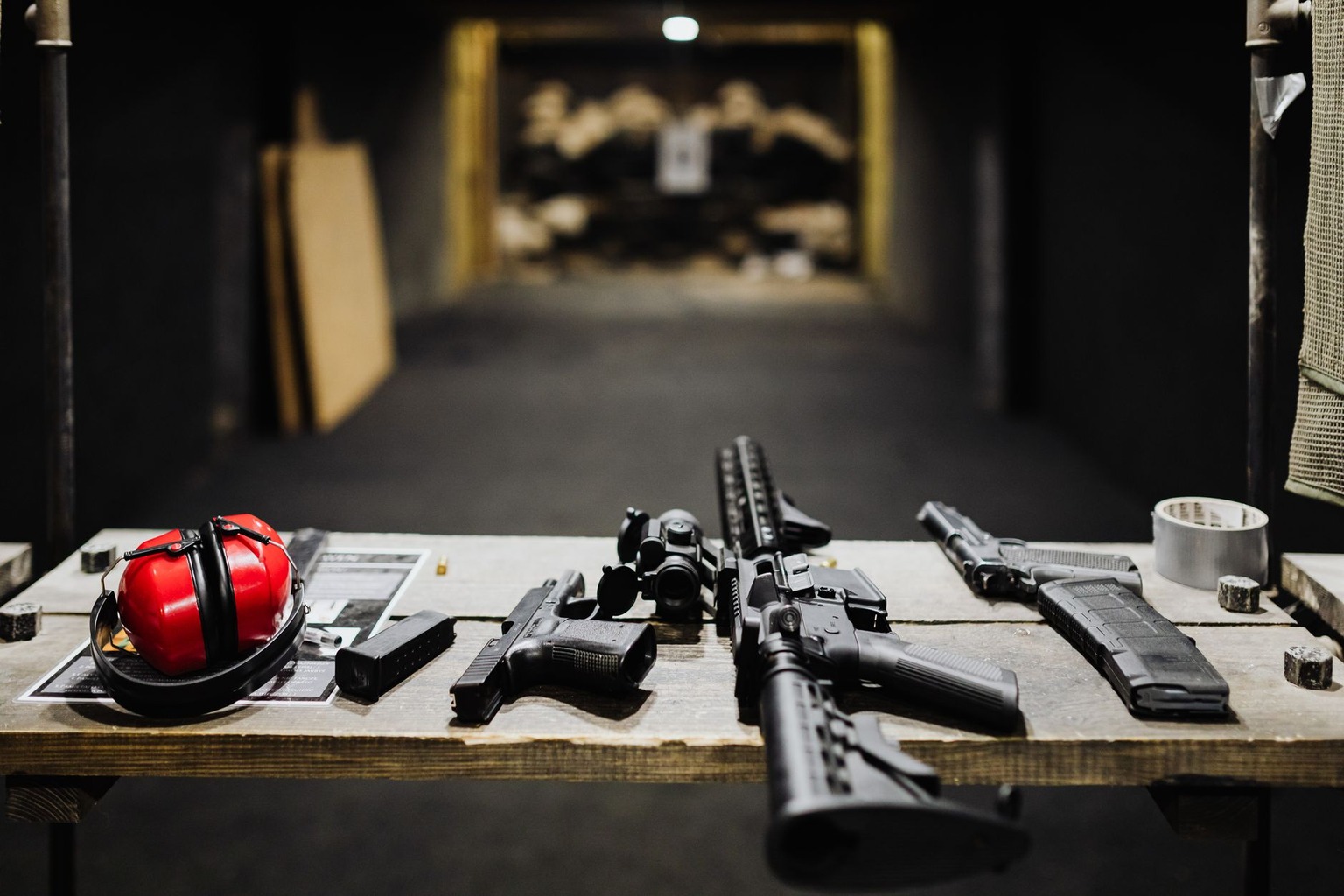
Incorporate administrative handling drills into each dry session: load and unload dummy rounds, perform emergency reloads, and clear simulated malfunctions using the tap-rack-bang method. Use a shot timer set to par time to add mild stress without live fire. Record each session in a notebook noting date, duration, and any hesitation or fumble. Over four weeks, you should see your draw-to-first-shot par time drop by at least twenty percent while maintaining perfect muzzle discipline. This measurable progress confirms the essential firearm safety rules have migrated from conscious effort to ingrained habit.
Prepare a Compliant Range Bag and Personal Protective Equipment
Assemble a range bag that contains only the tools needed for a safe session: eye protection rated ANSI Z87.1, electronic hearing protection with a noise reduction rating above 22 decibels, a chamber flag, a cleaning kit, and a small trauma kit with a tourniquet. Pack factory-new ammunition that matches the caliber stamped on the barrel; never shoot reloads or surplus of unknown origin during your first fifty rounds. Include a printed copy of the range rules, your membership card, and a government-issued photo ID. Organize items in labeled pouches so you can retrieve ear protection or a chamber flag without digging blindly. A cluttered bag leads to rushed movements and muzzle direction errors.
Before leaving home, dress in closed-toe shoes, long pants, and a high-collar shirt to deflect hot brass. Remove jewelry that could snag on the holster or trigger guard. Load magazines to no more than eighty percent capacity for the first trip to reduce spring tension and feeding issues. Place the unloaded firearm in a locked hard case with the chamber flag inserted, and store ammunition in a separate locked container if state law requires it. Double-check the trunk of your vehicle to ensure no loose objects can shift and impact the case during transport. This systematic preparation eliminates last-minute improvisation at the firing line.
Execute a Structured First Live-Fire Session
Arrive at the range thirty minutes before your lane reservation to complete check-in, sign liability waivers, and attend the mandatory safety briefing. Listen carefully to the range officer’s commands for cease-fire, cold range, and emergency procedures. Set up your lane by placing the chamber-flagged firearm on the bench pointed downrange, then don eye and ear protection before touching the gun. Load one magazine with five rounds and keep the remaining ammunition in the closed box. With the range officer’s permission, insert the magazine, rack the slide, and acquire a two-handed grip at the low-ready position. Fire a single shot, assess the target, and return to low-ready before the next press.
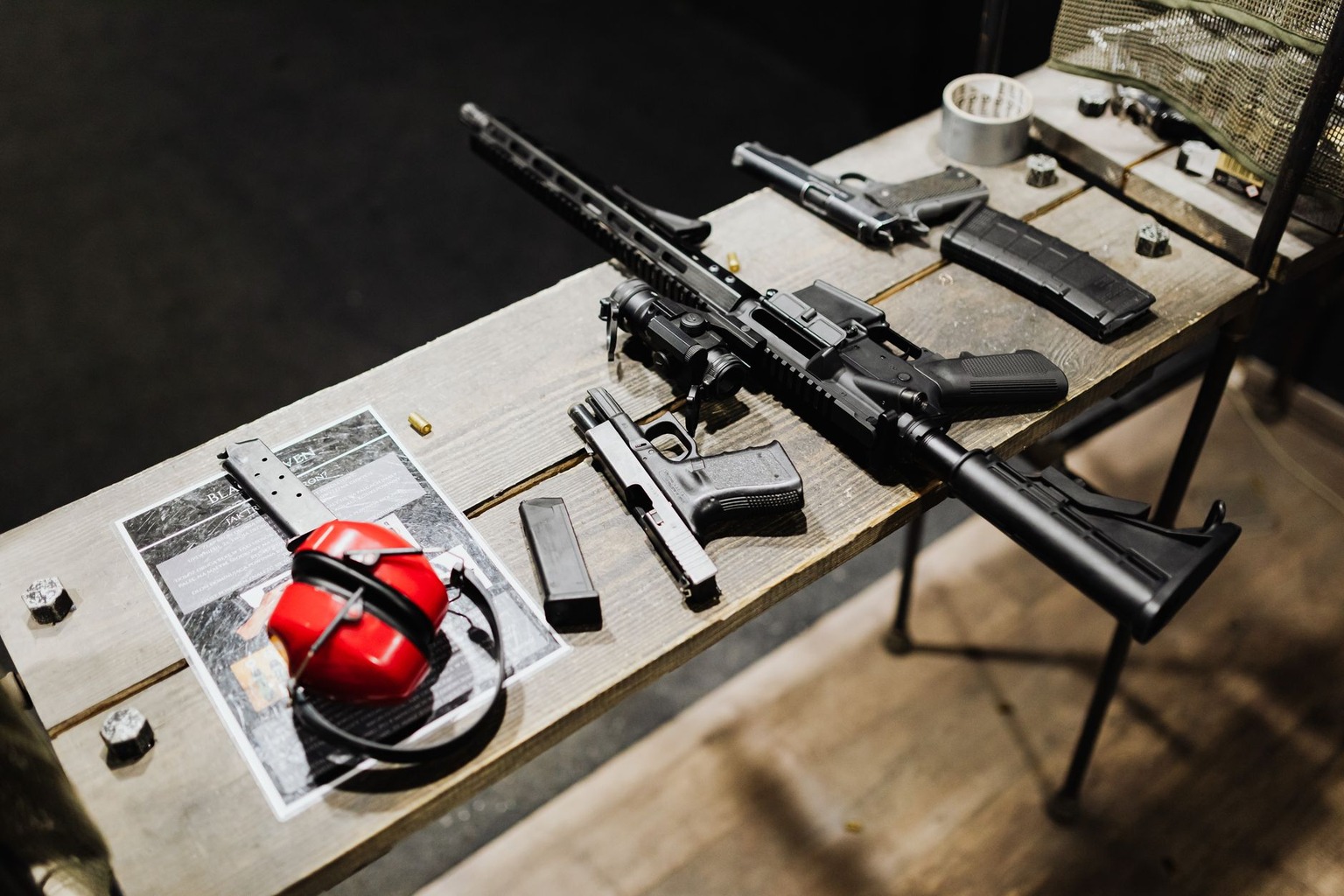
Focus exclusively on trigger control and sight alignment rather than speed or group size. If a malfunction occurs, keep the muzzle downrange, wait thirty seconds for a possible hang-fire, then execute the clearance drill you practiced dry. After the first magazine, unload, show clear to the range officer, and insert the chamber flag before stepping back. Hydrate, review your notes, and discuss any anomalies with the officer. Limit the first session to fifty rounds total; fatigue degrades fine motor skills and increases the likelihood of a safety violation. Quality repetitions trump volume every time.
Establish Secure Storage and Ongoing Maintenance Protocols
Immediately after returning home, clean the firearm using a bore snake, solvent, and lubricant specified in the manual. Inspect the barrel for leading or copper fouling that could indicate ammunition compatibility issues. Apply a light coat of oil to friction surfaces and reassemble with a function check. Store the unloaded gun in a quick-access safe bolted to structural framing if it serves a defensive role, or in a full-size cabinet with a dehumidifier rod for long-term preservation. Ammunition must reside in a separate locked container, ideally in a climate-controlled area to prevent primer degradation. Document the serial number, purchase date, and cleaning intervals in a bound logbook.
Schedule a monthly function check even if the gun has not been fired: cycle the action, verify safety engagement, and confirm magazine spring tension. Replace recoil springs every three to five thousand rounds per manufacturer guidelines. Rotate carry ammunition annually to ensure reliable expansion and ignition. Attend a formal refresher course every twelve months to validate that your handling standards have not drifted. Consistent maintenance and periodic professional evaluation are the final layer of the safety system that protects you, your family, and the community.

I’ve been drawn to the world of firearms and edged weapons ever since I first visited a local shooting range as a teen. I love exploring the history, technology, and responsible use of these tools, and I enjoy sharing insights with fellow enthusiasts.