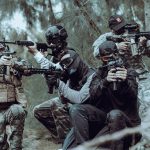
Airsoft guns are not toys. They are realistic replicas designed to fire 6mm plastic pellets at speeds that can exceed 400 feet per second. For a beginner stepping into the world of airsoft, understanding safety protocols is not optional. Mistakes with these devices can lead to serious injuries, legal trouble, or even fatal misunderstandings with law enforcement. The rules governing airsoft safety are not arbitrary. They exist because real people have faced real consequences from careless handling. Whether you are practicing in your backyard or participating in a skirmish, treating your airsoft gun with the same respect as a live firearm will keep you, your teammates, and bystanders safe.
Understanding the Legal Landscape of Airsoft Guns
An overview of airsoft rifles can help clarify why laws surrounding these guns vary by location. In the United States, federal regulations classify airsoft guns as imitation firearms, which means they must have an orange tip at the barrel to distinguish them from real guns. However, some states go further. California, for example, requires that airsoft guns have a bright color on the entire body, not just the tip. New York City bans the possession of airsoft guns entirely unless they are used in a licensed facility. Ignorance of local laws is not a defense. Before purchasing or using an airsoft gun, check your state and city ordinances. Many police departments maintain online resources or hotlines where you can verify legal requirements. Violating these laws can result in fines, confiscation of your equipment, or criminal charges, especially if your airsoft gun is mistaken for a real firearm.
International regulations are even stricter. In the United Kingdom, airsoft guns are legal only if they meet specific power limits and are used in registered clubs. Japan requires users to be members of an approved airsoft organization. Some countries, like Australia and Singapore, ban airsoft guns outright. If you plan to travel with your airsoft equipment, research the laws of your destination well in advance. Customs agents are not lenient with undeclared replica firearms, and the penalties for smuggling can include heavy fines or imprisonment. Always transport your airsoft gun in a locked case, separate from ammunition, and declare it if required by local authorities.
Choosing the Right Safety Gear for Airsoft
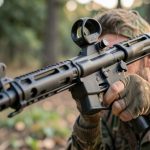
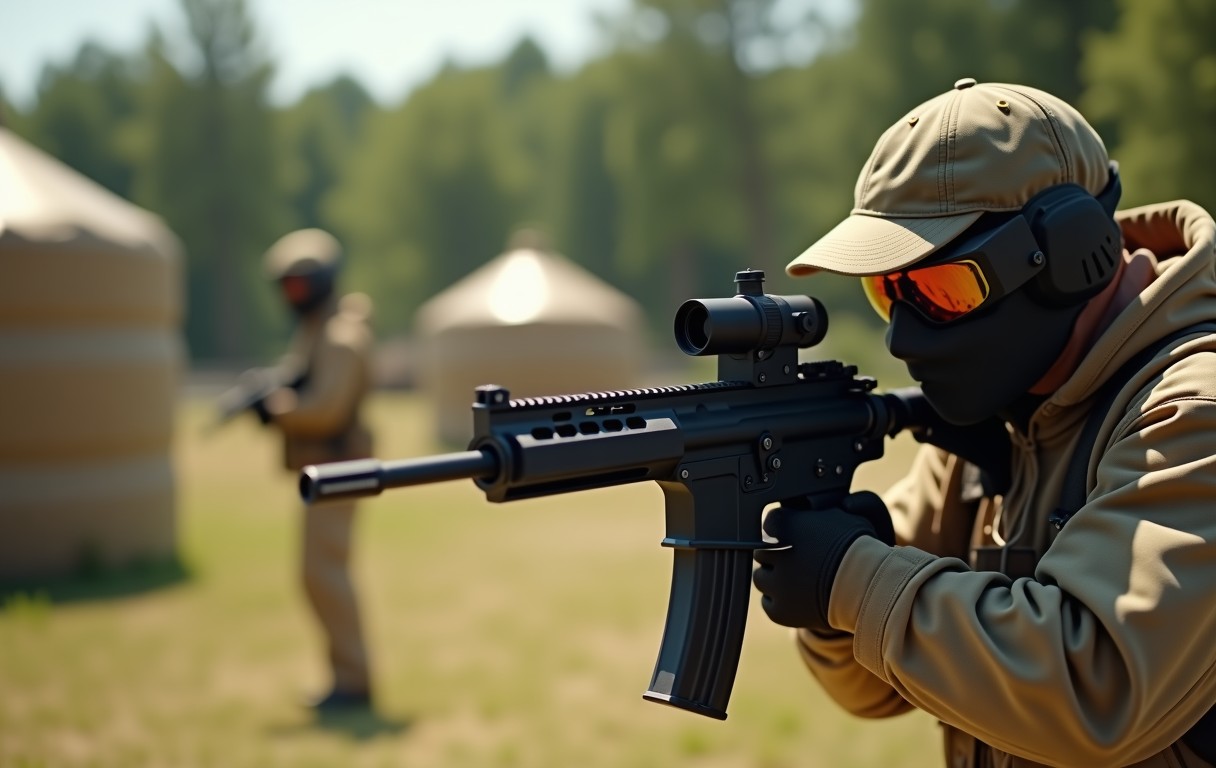
Protective gear is not optional in airsoft. A single 6mm pellet traveling at 350 feet per second can break skin, chip teeth, or cause permanent eye damage. The most critical piece of equipment is eye protection. For eye protection, full-seal goggles rated for airsoft are essential, but airsoft optics and sights also play a role in gameplay. These goggles must meet ANSI Z87.1 standards for impact resistance and fit snugly against your face to prevent pellets from slipping underneath. Mesh masks are popular but have limitations. They can protect against direct hits but may not stop fragments from ricocheting into your eyes. For full-face protection, consider a paintball-style mask with a thermal lens to prevent fogging. Some players prefer military-style ballistic glasses, but these must be paired with a lower-face mask to protect against cheek and mouth injuries.
Beyond eye protection, consider additional gear to minimize injuries. A tactical vest or plate carrier can absorb impacts to the torso, while gloves protect your hands during reloads and dives. Knee and elbow pads are essential if you plan to play in rough terrain. Clothing should be durable and cover exposed skin. Long sleeves and pants made from thick fabric like ripstop nylon can reduce the sting of pellet impacts. Avoid loose clothing that can snag on obstacles or get caught in your gear. Footwear is often overlooked but critical. Sturdy boots with ankle support will prevent sprains and protect your feet from uneven ground. Many airsoft fields require full-face protection as a condition of play, so check the rules before arriving.
Safe Handling Practices for Airsoft Guns
The safe handling of airsoft pistols begins with treating them like real firearms. The first rule is to always assume the gun is loaded, even if you just cleared it. Never point the muzzle at anything you do not intend to shoot. This includes people, animals, and property. When not in use, keep the gun pointed in a safe direction, such as toward the ground or a designated backstop. Finger discipline is equally important. Keep your finger off the trigger until you are ready to fire. Resting your finger on the trigger guard or along the frame of the gun prevents accidental discharges. Many beginners make the mistake of gripping the gun too tightly, which can cause their finger to slip onto the trigger unintentionally.
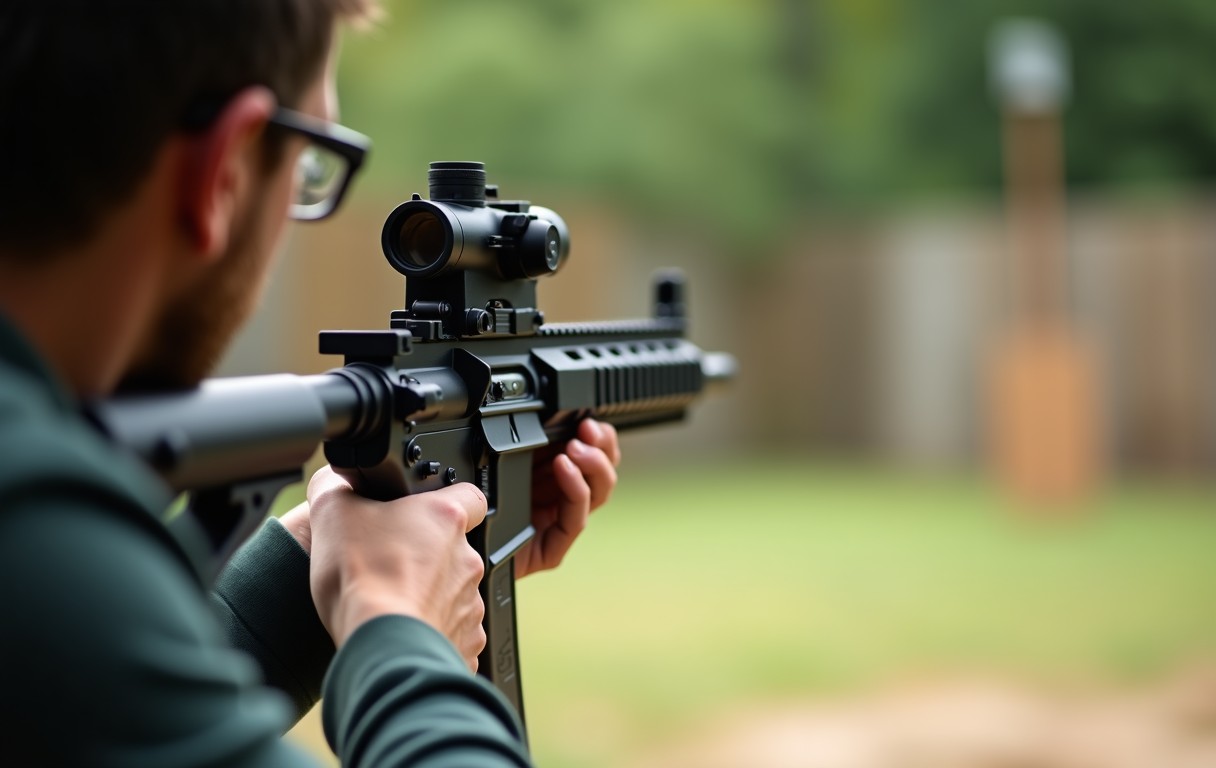
Understanding how airsoft gun magazines work is essential for proper loading and unloading. Before loading, ensure the gun is on safe and the magazine is properly seated. Most airsoft guns use a hop-up system to increase range and accuracy. Adjusting the hop-up incorrectly can cause pellets to fly unpredictably, so follow the manufacturer’s instructions carefully. When unloading, remove the magazine first, then rack the slide or pull the bolt to clear any remaining pellets from the chamber. Never rely on the gun’s safety mechanism alone. Mechanical safeties can fail, and human error is always a risk. Store your airsoft gun unloaded, with the magazine removed, in a secure location away from children and unauthorized users. A locked gun case or cabinet is ideal.
Transporting Airsoft Guns Responsibly
Transporting an airsoft gun without proper precautions can lead to dangerous misunderstandings. Law enforcement officers and the public cannot distinguish an airsoft gun from a real firearm at a glance. Always transport your airsoft gun in a locked, opaque case. Hard cases designed for firearms are ideal because they prevent accidental discharges and protect the gun from damage. Never carry an airsoft gun in a way that makes it visible to others. This includes placing it on the seat of your car, carrying it in your hand, or storing it in a backpack where the muzzle or grip is exposed. In many states, displaying an airsoft gun in public is illegal and can result in a police response.
When traveling to an airsoft field, keep your gun unloaded and the magazine separate. Some states require that airsoft guns be transported with the orange tip removed, while others mandate that it remain attached. Check local laws to avoid legal issues. If you are flying with your airsoft gun, contact the airline in advance. Most airlines treat airsoft guns as firearms and require them to be checked in a hard case, declared at the ticket counter, and stored in the cargo hold. Never attempt to bring an airsoft gun onto a plane as carry-on luggage. Security personnel will confiscate it, and you may face additional screening or legal consequences. Always carry a copy of your airsoft gun’s manual and any relevant permits or club memberships in case you are questioned by authorities.
Field Safety Rules and Etiquette
Airsoft fields have strict safety rules to prevent injuries and ensure fair play. The most common rule is the “bang rule,” which allows players to call out “bang” if they are within a few feet of an opponent. This signals that the opponent is out of the game without firing a shot. The bang rule is not universal, so confirm its use before the game starts. Another critical rule is the minimum engagement distance. Most fields require players to be at least 10 to 15 feet away from their target before firing. This prevents injuries from close-range shots, which can be painful or cause bruising. Some fields use a “surrender rule,” where players within a certain distance must offer their opponent the chance to surrender before firing.
Chronograph testing is a standard safety measure at organized airsoft fields. A chronograph measures the velocity of your airsoft gun in feet per second. Most fields have a maximum limit, typically between 350 and 400 FPS for rifles and 300 FPS for pistols. Guns that exceed these limits are not allowed on the field. If your gun is too powerful, you may need to adjust the spring or use lighter pellets to reduce velocity. Always test your gun before entering the field. Some fields also require players to use biodegradable pellets to minimize environmental impact. Non-biodegradable pellets can litter the field and harm wildlife, so check the rules before purchasing ammunition.
Dealing with Accidental Discharges and Misunderstandings
Even experienced airsoft players can make mistakes. An accidental discharge can happen if you mishandle the gun, fail to clear the chamber, or forget to engage the safety. If you accidentally fire your airsoft gun in an unsafe direction, immediately point the muzzle in a safe direction and assess the situation. If someone is injured, provide first aid and seek medical attention if necessary. Never attempt to cover up an accident. Transparency is critical to maintaining trust with your teammates and field staff. Most airsoft fields have incident report procedures, so follow them to document what happened and prevent future occurrences.
Misunderstandings with law enforcement are a serious risk for airsoft players. If a police officer approaches you while you are carrying an airsoft gun, remain calm and follow their instructions. Do not make sudden movements or reach for the gun. Keep your hands visible and inform the officer that you are carrying an airsoft replica. Many officers are trained to treat all guns as real until proven otherwise, so comply fully with their commands. In some cases, you may be asked to lay the gun on the ground and step away from it. Never argue or resist. If you are in a public area, expect bystanders to call the police if they see an airsoft gun. To avoid these situations, only use your airsoft gun in designated areas and always transport it securely.
Maintaining Your Airsoft Gun for Long-Term Safety
Regular maintenance is essential to keep your airsoft gun safe and functional. Dirt, debris, and moisture can cause malfunctions that lead to accidental discharges or injuries. After each use, clean the barrel with a soft cloth or cleaning rod to remove pellet residue. Use a silicone-based lubricant on moving parts like the gearbox, piston, and trigger assembly. Avoid petroleum-based lubricants, as they can damage plastic components and attract dirt. Check the hop-up unit regularly to ensure it is functioning correctly. A misaligned hop-up can cause pellets to fly erratically, increasing the risk of injury.
Inspect your airsoft gun for wear and tear before each use. Cracks in the body or barrel can weaken the gun and cause it to fail under pressure. Replace damaged parts immediately. Springs, gears, and pistons are under constant stress, so monitor them for signs of fatigue. If your gun starts jamming or misfiring, stop using it and diagnose the problem. Common issues include dirty magazines, worn-out buckings, or misaligned gears. Many airsoft guns come with a user manual that includes troubleshooting tips. If you are unsure how to repair your gun, consult a professional technician. Never modify your airsoft gun to exceed legal velocity limits or alter its appearance to resemble a real firearm more closely. These modifications can void warranties, violate field rules, and create legal risks.

I’ve been drawn to the world of firearms and edged weapons ever since I first visited a local shooting range as a teen. I love exploring the history, technology, and responsible use of these tools, and I enjoy sharing insights with fellow enthusiasts.