The hunt for the right firearm for deer hunting isn’t just about picking the most powerful option, it’s about matching your rifle to the terrain, your shooting style, and the ethical considerations of the shot. Whether you’re a seasoned hunter or just stepping into the field, the best firearm for deer hunting should balance terminal performance, manageability, and reliability. The wrong choice can lead to wasted ammunition, unnecessary stress, or even a missed opportunity. Let’s break down the key dimensions that separate a good deer rifle from a great one, so you can make an informed decision that fits your needs.
Calibers: The Sweet Spot Between Power and Practicality
When comparing calibers for deer hunting, the myth that bigger always means better is a common misconception. A .30-06 Springfield, for instance, delivers consistent terminal performance with a flat trajectory, making it a top choice for many hunters. However, it’s not the only option, calibers like the .308 Winchester or the 6.5 Creedmoor offer similar power with slightly better ballistic efficiency, meaning you’ll need less powder and less recoil for the same stopping power. The key is finding a balance: a caliber that can reliably drop a deer at 100 yards or more without sending the shooter into a tailspin after every shot. For hunters who prioritize manageability, the 6.5 Creedmoor’s lighter recoil makes it a favorite, while others swear by the .30-30 Winchester for its simplicity and effectiveness at shorter ranges. Ultimately, the best firearm for deer hunting in your hands will depend on whether you prefer a traditional bolt-action or a modern lever-action, but the caliber should never be an afterthought.
If you’re hunting in thick cover where every yard counts, a caliber with a flatter trajectory, like the .243 Winchester, can be a game-changer. These rounds hold their energy longer, reducing the need to close the distance, which is crucial when deer are skittish or the terrain is uneven. On the other hand, if you’re tackling larger game or hunting in open fields, a more powerful round like the .338 Lapua Magnum will give you the extra reach and stopping power you might need. The right caliber isn’t just about killing power; it’s about how it interacts with your rifle’s action, your shooting comfort, and the specific conditions of your hunt.
Rifle Actions: Bolt-Actions vs. Lever-Actions vs. Semi-Automatics
The action of your rifle, how it loads and fires, is one of the most critical decisions you’ll make, and it often comes down to personal preference mixed with practicality. Bolt-actions dominate the deer hunting scene because of their reliability and precision, with models like the Remington 700 or the Ruger American Predator offering exceptional accuracy and a smooth trigger pull. These rifles are built for hunters who prioritize control and consistency, especially at longer ranges where every inch counts. The lever-action, on the other hand, has made a comeback thanks to its simplicity and speed of follow-up shots, as seen in rifles like the Henry Big Boy. While lever-actions aren’t as accurate as bolt-actions at extreme ranges, they’re forgiving for hunters who need quick shots in tight quarters or when deer are moving unpredictably.
Semi-automatic rifles have also carved out a niche in deer hunting, particularly for those who want the speed of multiple shots without the hassle of reloading. Rifles like the Ruger American Ranch or the Browning Barracuda offer rapid fire capabilities, which can be invaluable in situations where a single shot isn’t enough. However, semi-automatics often come with trade-offs: they tend to be heavier, and their recoil can be more pronounced, which might not suit every shooter. If you’re considering a semi-auto, make sure it’s chambered in a caliber you’re comfortable with, something like the 6.5 Creedmoor will keep recoil manageable while still delivering the power you need. The best firearm for deer hunting in this category will depend on whether you value speed over precision or vice versa.
Barrel Length and Weight: The Trade-Off Between Precision and Mobility
Barrel length and rifle weight are often overlooked but play a huge role in how your rifle performs in the field. A longer barrel, typically 20 inches or more, offers better accuracy and a flatter trajectory, which is ideal for hunters who take their time and aim carefully. However, longer barrels add weight and bulk, which can be a burden when you’re trekking through dense forests or climbing steep hills. Shorter barrels, around 16 inches, make the rifle more maneuverable but may sacrifice some precision, especially at longer ranges. For most deer hunters, a barrel length of 18 to 20 inches strikes a good balance, long enough for accuracy but not so long that it becomes cumbersome.
For a comprehensive guide on Airsoft Pistols, check out Kentucky Ballistics’ detailed video below.
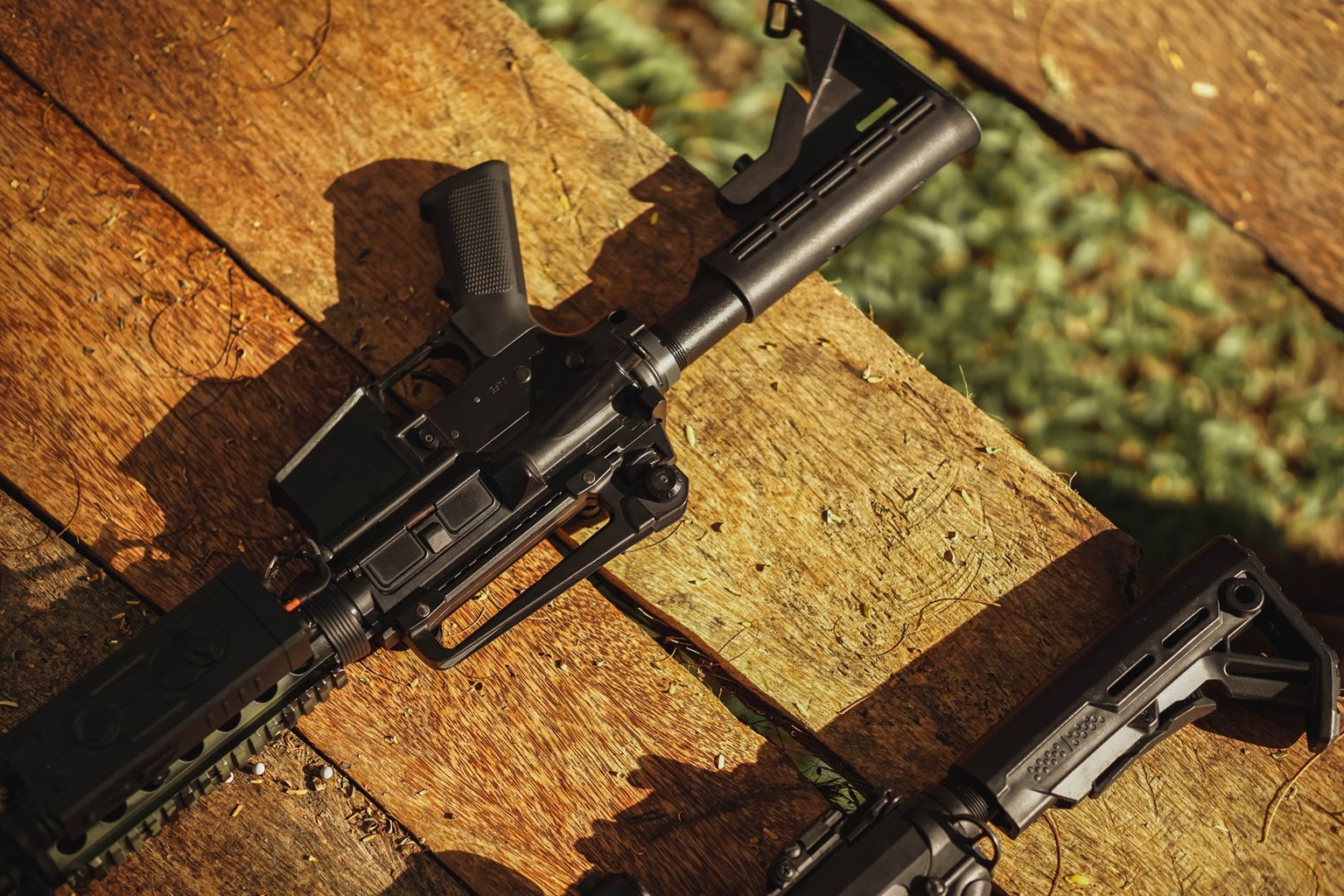
Weight is equally important, as a heavier rifle can fatigue your shoulders over the course of a long hunt. Modern rifles like the Savage Axis or the Vanguard Everest are designed with lightweight materials like aluminum or polymer, reducing fatigue without sacrificing strength. If you’re hunting in rugged terrain, consider a rifle that weighs between 7 and 9 pounds, light enough to carry comfortably but sturdy enough to handle rough conditions. The best firearm for deer hunting in this regard isn’t just about how it looks on paper; it’s about how it feels in your hands after hours of standing still, waiting for the perfect shot. A rifle that’s too heavy will slow you down, while one that’s too light might not have the stability you need for clean hits.
Optics: Glass That Doesn’t Let You Down in Low Light or High Stress
Your rifle’s optics can make or break a hunt, especially when deer are moving through dense cover or at dawn or dusk when visibility is poor. A high-quality scope with a wide field of view and good low-light performance is non-negotiable for serious deer hunters. Scopes like the Vortex Viper or the Leupold VX-3 are popular for their clarity and durability, offering magnification ranges that let you spot deer at longer distances while keeping them in view when they’re close. If you’re hunting in areas with heavy foliage, consider a scope with a reticle that helps you hold steady shots, such as the Duplex or BDC reticles, which are designed to reduce parallax and improve accuracy.
Another critical factor is the scope’s illumination. Many modern scopes come with illuminated reticles, which can be a lifesaver in low-light conditions. Brands like Nightforce and Swarovski offer high-end options with advanced glass and adjustable turrets, but even mid-range scopes like the Burris Elite can deliver exceptional performance for the price. The best firearm for deer hunting isn’t just about the rifle itself, it’s about the entire package, and your optics are a huge part of that. If your scope isn’t up to the task, you might miss shots that would otherwise be clean and ethical. Investing in good glass isn’t just about seeing better; it’s about making the shot you need to make.
Recoil and Shooter Comfort: What Your Shoulders Will Thank You For
Recoil is often the unsung hero, or villain, of deer hunting. A rifle with excessive recoil can make it difficult to shoot accurately, especially if you’re taking multiple shots in quick succession. Calibers like the .30-06 or the .308 Winchester are known for their manageable recoil, making them great choices for hunters who want power without the punishment. On the other hand, magnum rounds like the .338 Lapua can deliver impressive terminal performance but often come with a significant kickback, which can be tough on inexperienced shooters. If you’re sensitive to recoil, consider a caliber like the 6.5 Creedmoor or the .270 Winchester, which offer a good balance of power and manageability.
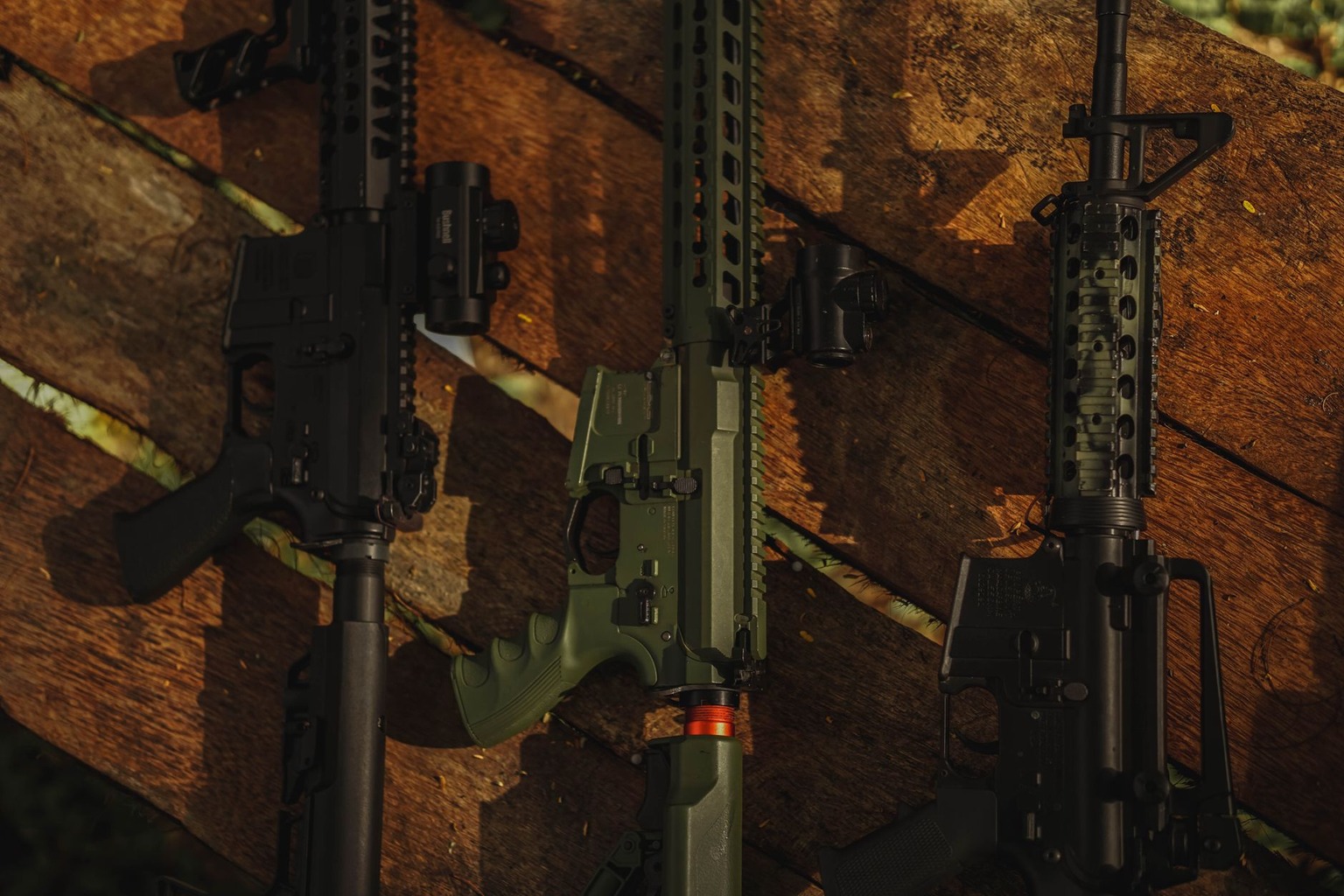
The rifle’s stock also plays a role in how recoil affects you. Traditional wood stocks absorb recoil better than modern polymer or composite stocks, which can feel harsher on the shoulder. However, polymer stocks are often more durable and weather-resistant, which can be a plus if you’re hunting in wet or harsh conditions. Some rifles, like the Browning BLR or the Winchester Model 70, come with adjustable stocks that let you fine-tune the fit for your body, reducing fatigue and improving comfort over long hunts. The best firearm for deer hunting won’t just be accurate, it should feel good to shoot, even after hours in the field. If your rifle is throwing you off balance every time you pull the trigger, it’s not just uncomfortable; it’s a liability.
Ethical Considerations: Terminal Performance Over Myths
The idea that a rifle needs to knock down a deer with massive power is a myth that persists in hunting circles, but the reality is that a well-placed shot from a properly chosen caliber will always be more ethical than a wild, overpowered round that might cause unnecessary suffering. Calibers like the .243 Winchester or the 6.5 Creedmoor are often overlooked but deliver excellent terminal performance with minimal over-penetration, making them ideal for hunters who prioritize clean, humane kills. The key is placement: a shot to the lung or heart area will drop a deer quickly and cleanly, regardless of the caliber. What matters most is your aim, not the sheer force of the round.
Some hunters swear by larger calibers like the .30-06 or the .300 Winchester Magnum, arguing that they provide extra margin for error in case of a poor shot placement. While these rounds do offer more power, they can also over-penetrate, especially in dense forests where bullets might pass through the deer and continue dangerously. The best firearm for deer hunting in this regard is one that gives you confidence in your shot placement rather than relying on brute force. If you’re using a caliber that’s too powerful for the job, you might end up with a wounded deer that’s harder to track, not an easier one. Ethical hunting isn’t about the biggest gun; it’s about making the right shot with the right tool.

I’ve been drawn to the world of firearms and edged weapons ever since I first visited a local shooting range as a teen. I love exploring the history, technology, and responsible use of these tools, and I enjoy sharing insights with fellow enthusiasts.