When looking to tighten groups on a rifle or handgun without spending a fortune, the first place to start is often the simplest component that the shooter actually controls. A stable platform begins with a proper grip and a consistent cheek weld, and these fundamentals cost nothing but yield the biggest return. Many shooters assume that accuracy is purely a function of the barrel or the action, but the human element is the variable that ties everything together. Before investing in parts, ensure your shooting stance is repeatable and your sight picture is clear, because even the most expensive upgrade cannot compensate for poor fundamentals. Once the basics are dialed in, the next logical step is to examine the trigger, as a crisp, light pull reduces the disturbance every time the shot breaks.
Trigger Upgrades That Deliver Noticeable Results
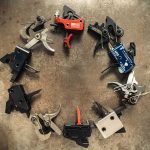
One of the most effective budget firearm accuracy upgrades involves replacing a stock, gritty trigger with a aftermarket unit designed for a cleaner break. stock triggers on many platforms are often heavy, with a long reset that can induce movement just as the bullet leaves the muzzle. A two-stage trigger or a single-stage unit with a reduced pull weight allows the shooter to take up the slack smoothly and reset quickly for follow-up shots. For AR-style rifles, aftermarket trigger kits can be installed with basic tools and typically cost between eighty and one hundred fifty dollars, a small price for a trigger pull that feels like breaking a glass rod. On rimfire platforms like the Ruger 10/22, a simple trigger job or a drop-in kit can reduce pull weight from the factory ten to twelve pounds down to a crisp three to four pounds, which translates directly into tighter shot placement at fifty yards. The key is to find a trigger that matches your strength and preference; a trigger that is too light may lead to accidental discharges, while one that is too heavy will cause you to muscle the shot, both of which hurt accuracy.
Beyond the pull weight, the travel distance and reset point are critical factors that affect how quickly and accurately you can engage multiple targets. A short reset means you can get back on target faster without re-establishing your sight picture from scratch, which is especially valuable in practical shooting scenarios. When installing a new trigger, always check for overtravel and adjust set screws if your model allows, as excessive travel after the break can waste time and introduce inconsistency. Lubricate the trigger components sparingly with a high-quality gun oil, as too much grease can attract debris and gum up the works over time. Remember that a smooth trigger is a safe trigger; if you are uncomfortable performing the installation yourself, a qualified gunsmith can set the pull weight and ensure the safety mechanisms function correctly for a reasonable fee.
Barrel Considerations and Ammunition Matching
When the fundamentals and trigger are sorted, the next area to explore is the barrel, as the quality of the bore and the chamber dimensions play a huge role in consistency. A barrel that is worn, pitted, or improperly crowned will ruin accuracy regardless of how good the trigger or optics are. If you are working with an older rifle, inspect the bore for erosion or copper fouling that cannot be removed with solvent; in some cases, a professional re-crowning service is worth the investment to restore the muzzle geometry. For those building or purchasing a new upper, look for barrels with a consistent twist rate appropriate for the bullet weight you intend to shoot; a twist that is too slow will fail to stabilize light bullets, while a twist that is too fast can cause heavy bullets to keyhole at distance.
However, barrel replacement is not the only way to improve precision on a budget; often, a thorough cleaning and proper ammunition selection yields surprising results. Different rifles prefer different bullet profiles and weights, and finding the “sweet load” can be more impactful than swapping barrels. For example, a bolt-action rifle might shoot 100-grain bullets perfectly, but group poorly with 123-grain projectiles simply because of barrel harmonics. Spend time at the range testing various brands and loads, keeping detailed notes on velocity, point of impact, and group size. You may discover that a budget-priced ammunition type groups just as well as premium match loads through your specific firearm. Once you identify the optimal load, stick with it and maintain the barrel with a consistent cleaning routine to prevent copper buildup that alters the point of impact over time.
Optics and Sight Solutions for Precision
Optics are often the first thing shooters think of when chasing accuracy, but high-end scopes can quickly blow a budget. Fortunately, there are excellent budget firearm accuracy upgrades in the form of red dot sights and fixed-magnification scopes that offer clarity without the premium price tag. A quality red dot mounted low over the bore allows for both eyes open shooting, which increases situational awareness and helps maintain a consistent sight picture across varying lighting conditions. For those who prefer a traditional sight picture, a fixed 4x or 6x scope with a simple duplex reticle provides enough magnification for medium-range targets without the complexity of adjustable parallax or illuminated dots that can fail at the worst moment.

Mounting the optic correctly is just as important as the glass itself; a canted or loose mount will send shots drifting no matter how expensive the scope is. Use a sturdy one-piece mount or a set of high-quality rings with proper torque specifications to ensure the optic stays zeroed through recoil. Always check the eye relief distance to avoid scope eye injuries, and take the time to level the reticle if your model allows it, as a canted reticle can make windage adjustments feel off. If you are running iron sights, consider upgrading to a set of flip-up aperture rear sights, which provide a much finer sight picture than open sights and can be deployed quickly when needed. The combination of a solid mount and a sight that matches your vision can dramatically improve your ability to place shots precisely without breaking the bank.
Stock and Chassis Improvements for Stability
A stable platform is the foundation of accuracy, and the stock or chassis plays a massive role in how the rifle handles recoil and returns to target. On many budget rifles, the factory stock is made of basic materials that flex or shift during firing, which introduces inconsistency in shot placement. Upgrading to an aftermarket stock made from reinforced polymer or aluminum can reduce weight while increasing rigidity, allowing the shooter to maintain a more consistent cheek weld and shoulder position. For AR-platform rifles, a six-position stock with an adjustable length of pull and a comfortable butt pad can be found for under one hundred dollars, and the ability to fine-tune the fit to your body type makes a noticeable difference in comfort during long sessions at the range.
On rimfire or traditional hunting rifles, a chassis system can be a game-changer for accuracy without the cost of a complete rifle replacement. A chassis encloses the action and barrel in a rigid framework, providing a stable bedding surface that eliminates the variables of wood or composite stock compression. Many budget-friendly chassis options accept standard pattern actions and allow you to keep your existing barrel and trigger, focusing the investment on the platform that holds everything steady. When installing a new stock or chassis, pay close attention to the bedding area; ensuring the action fits tightly against the stock without gaps will improve consistency shot after shot. A well-fitting stock not only aids accuracy but also reduces fatigue, allowing you to focus on the fundamentals rather than fighting the rifle.
Muzzle Devices and Recoil Management
Muzzle devices are often overlooked in the pursuit of accuracy, yet they can significantly influence how the firearm behaves shot after shot. A well-designed muzzle brake or compensator can reduce felt recoil and muzzle rise, allowing the shooter to stay on target for faster follow-up shots and maintain better sight alignment between rounds. On calibers with significant recoil, such as 308 Winchester or 300 Blackout, a muzzle brake can make a substantial difference in comfort and control, which indirectly improves accuracy by reducing flinch and anticipation. However, it is important to note that some muzzle devices can increase noise levels and muzzle blast, so hearing protection is non-negotiable when shooting with these additions.
For those seeking a more subtle approach, a simple thread-on muzzle crown protector or a well-fitting flash suppressor can help protect the bore and reduce visible signature without dramatically altering the recoil impulse. When selecting a muzzle device, ensure it is threaded correctly for your barrel’s pitch, as cross-threading can damage the muzzle and ruin accuracy potential. Additionally, always check local laws and range regulations regarding muzzle device usage, as some areas restrict certain types of brakes or compensators. A properly chosen muzzle device acts as a force multiplier for your other accuracy efforts, taming the gun so you can focus on the trigger press and sight picture rather than recovering from recoil.
Maintenance Routines That Preserve Accuracy
No matter how many upgrades are installed, a firearm that is not properly maintained will see its accuracy degrade over time. Copper fouling, carbon buildup, and throat erosion are the silent accuracy killers that creep in after hundreds of rounds. Establish a regular cleaning schedule based on your round count; for high-volume shooters, a cleaning after every range session is ideal, while casual plinkers might find a thorough cleaning every few hundred rounds sufficient. Use a quality bore guide to protect the chamber and crown from scratches during cleaning, and always follow the manufacturer’s recommendations for solvents and lubricants to avoid damaging the metal or finish.
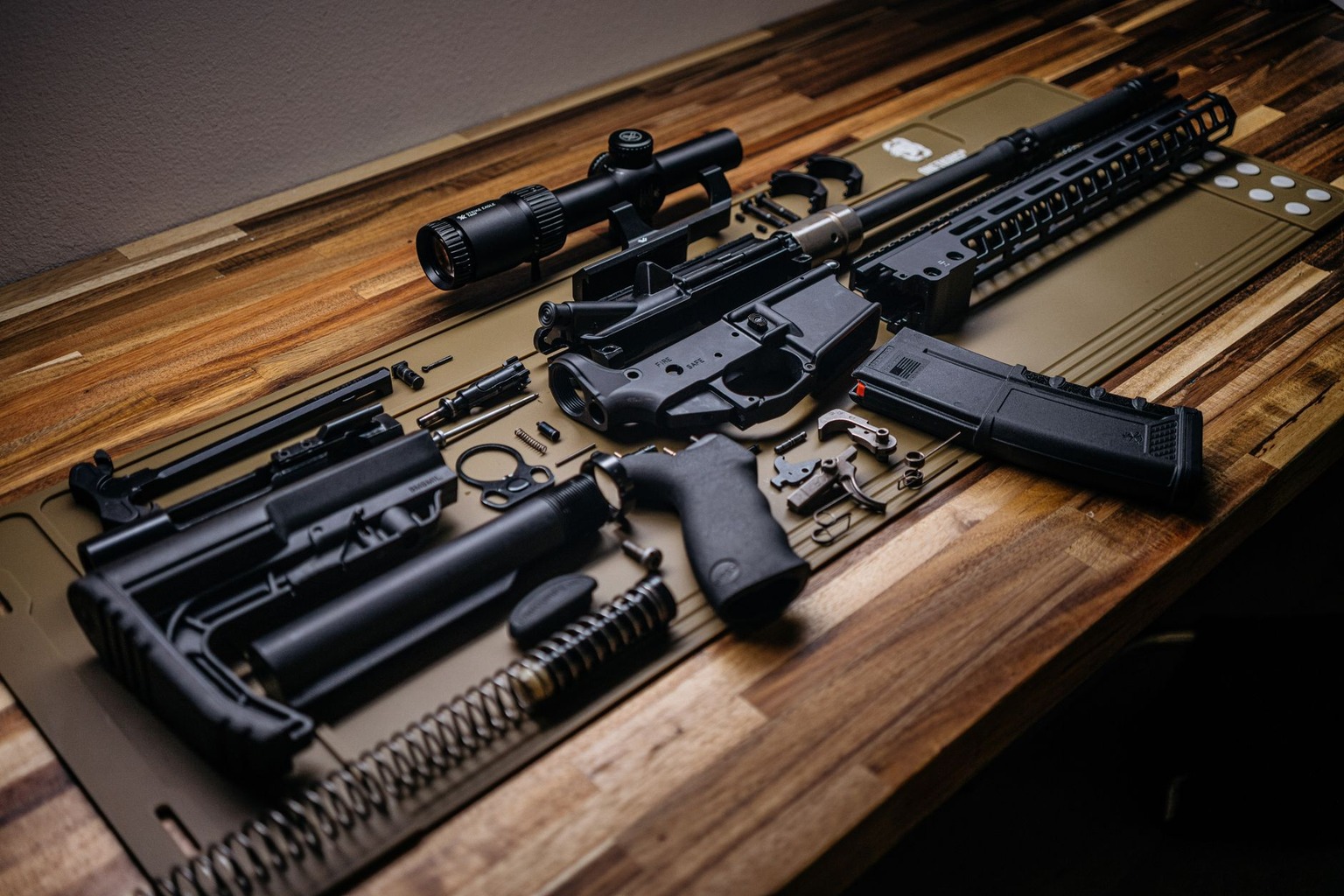
Pay special attention to the bolt carrier group and action surfaces, ensuring they are free of debris and lightly oiled to function smoothly. A dry or gritty action can cause inconsistent lock-up, which translates to flyers even with the best ammunition. When reassembling, check that all pins and springs are seated correctly, as a missing or weakened spring can cause malfunctions that ruin a good group. Keep a log of your cleaning sessions and any changes in point of impact; this data will help you identify when a component is wearing out and needs replacement. By committing to a disciplined maintenance routine, you protect your investment in budget firearm accuracy upgrades and ensure that your rifle or handgun continues to perform shot after shot.

I’ve been drawn to the world of firearms and edged weapons ever since I first visited a local shooting range as a teen. I love exploring the history, technology, and responsible use of these tools, and I enjoy sharing insights with fellow enthusiasts.