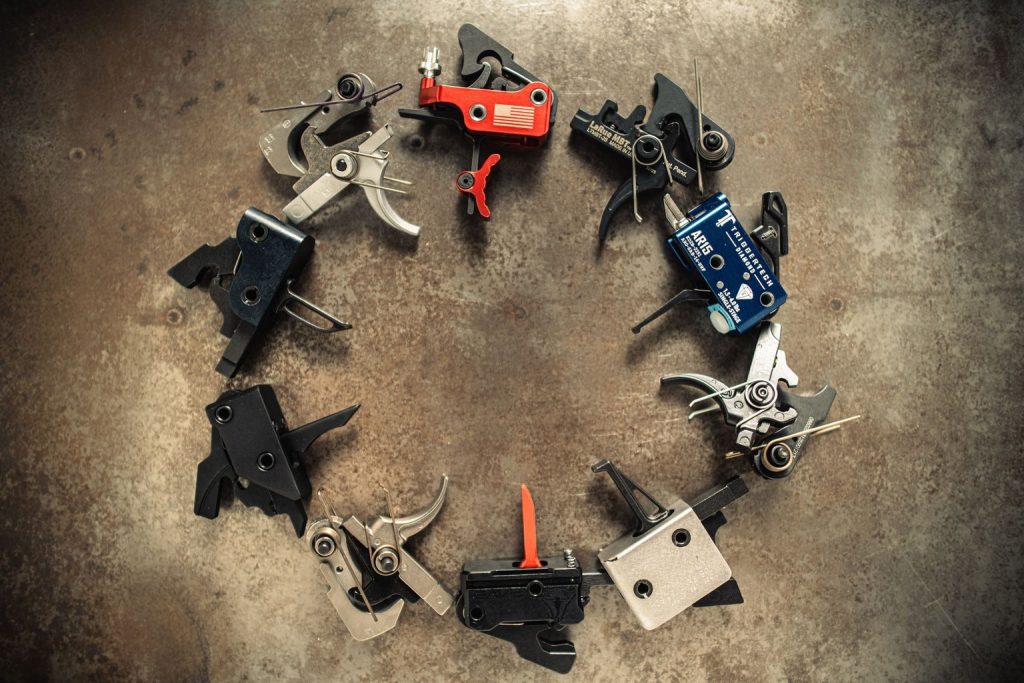
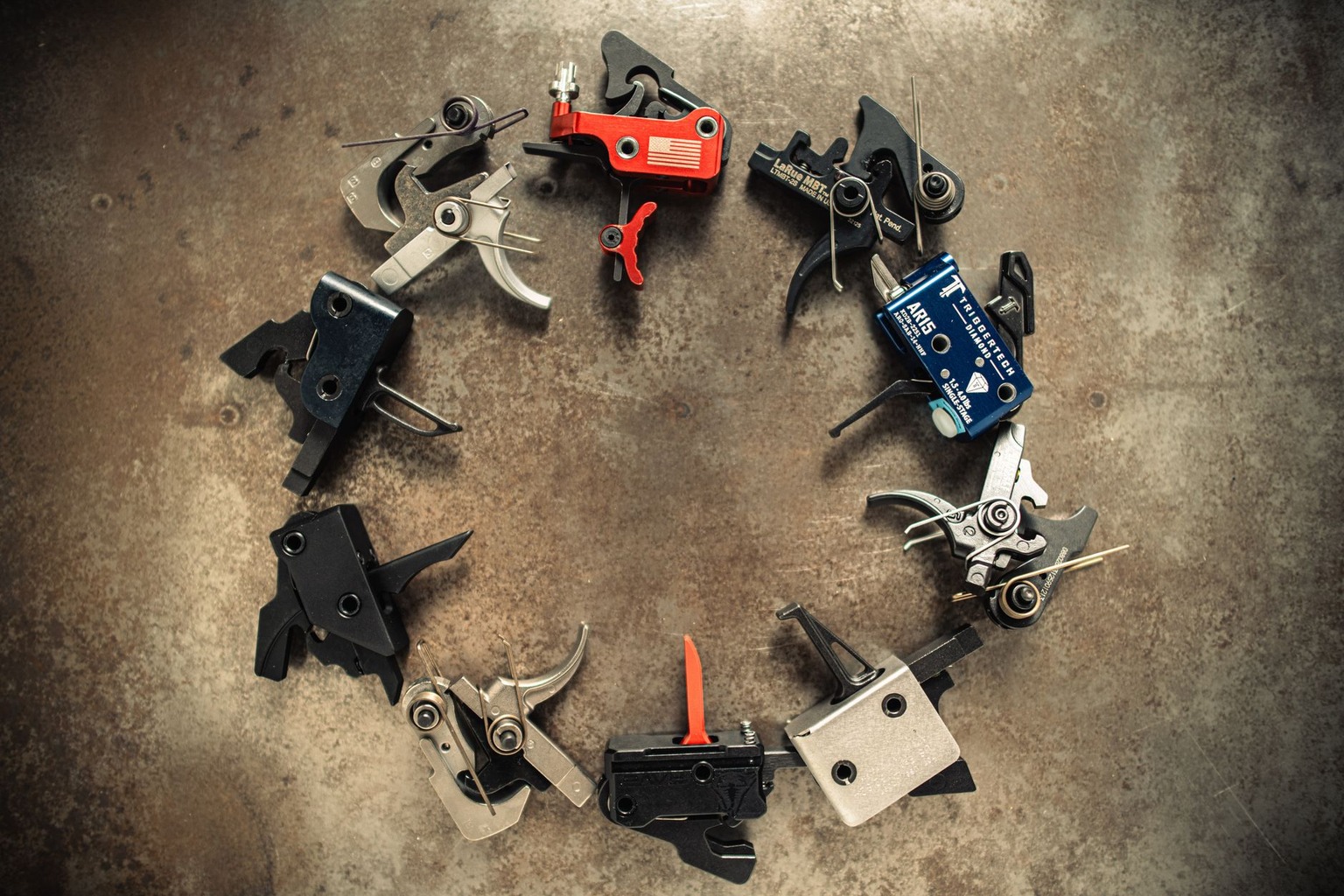
Upgrading the mechanical interface between shooter and firearm remains the single most effective way to shrink groups on paper and speed up split times at the range. Every shooter understands that firearm trigger types explained correctly can transform a mediocre factory setup into a match-winning machine by addressing common mechanical flaws like excessive creep or heavy pull weights. Factory firearms often ship with lawyer triggers featuring gritty walls and sluggish resets to prioritize safety over pure mechanical precision. Modern aftermarket solutions directly target these shortcomings by replacing stamped components with CNC machined sears and polished disconnectors. Shooters who spend hours diagnosing their mechanical issues often find that the problem lies entirely in the interaction between the sear face and the hammer notch. Evaluating how a mechanism manages energy storage and release helps buyers avoid expensive trial and error when customizing their preferred platforms.
Essential Selection Criteria for Mechanical Upgrades
Selecting the right mechanical assembly requires a careful examination of pull weight, break characteristics, and total travel distance from rest to ignition. A clean break should mimic the snapping of a dry glass rod, offering zero perceptible creep before the sear releases the striking component. Overtravel is another critical metric because excessive rearward movement after the shot breaks can disturb sight alignment during precise long-range shooting. Reset length dictates how far the finger must release the shoe forward to re-engage the sear, which directly impacts rapid firing cadences. Shooters must weigh these performance metrics against safety considerations, ensuring the drop safety mechanisms and internal blocking levers remain fully functional under heavy recoil.
Single Action Only Assemblies for Precision Shooting
Single action systems provide an inherently superior shooting experience because the mechanism performs only one task, which is releasing the already cocked hammer or striker. Shooters examining firearm trigger types explained in enthusiast circles frequently encounter dedicated match platforms utilizing these crisp single action designs exclusively. The absence of a heavy double action pull stroke allows manufacturers to engineer extremely light weights, often dropping below three pounds for dedicated competition models. This design shines in bolt action rifles and precision pistols where every ounce of pulling force matters for placing rounds at distance. Shooters transitioning to these lightweight options need proper trigger finger discipline, because the lack of physical resistance can lead to accidental discharges if proper safety habits are absent.
Double Action and Single Action Hybrid Mechanics
Traditional hammer-fired handguns often rely on a dual-mode mechanism that offers a heavy initial pull for safety followed by lighter subsequent single action cycles. This configuration gives carriers the best of both worlds, combining the drop safety of a long heavy first pull with the speed of a short crisp follow-up shot. Modern engineering has refined these legacy designs by introducing adjustable sear engagement and customized mainspring weights that smooth out the heavy double action stroke. Many defensive practitioners prefer this setup because it prevents negligent discharges under high stress while still allowing for exceptional accuracy once the hammer falls to the rear. Learning to master the long initial arc of rotation takes thousands of dry fire repetitions, but the payoff in defensive readiness is substantial for experienced operators.
To understand how these mechanisms function in practice, let’s examine the gear ratios of airsoft guns.
Striker Fired Options and Aftermarket Enhancements
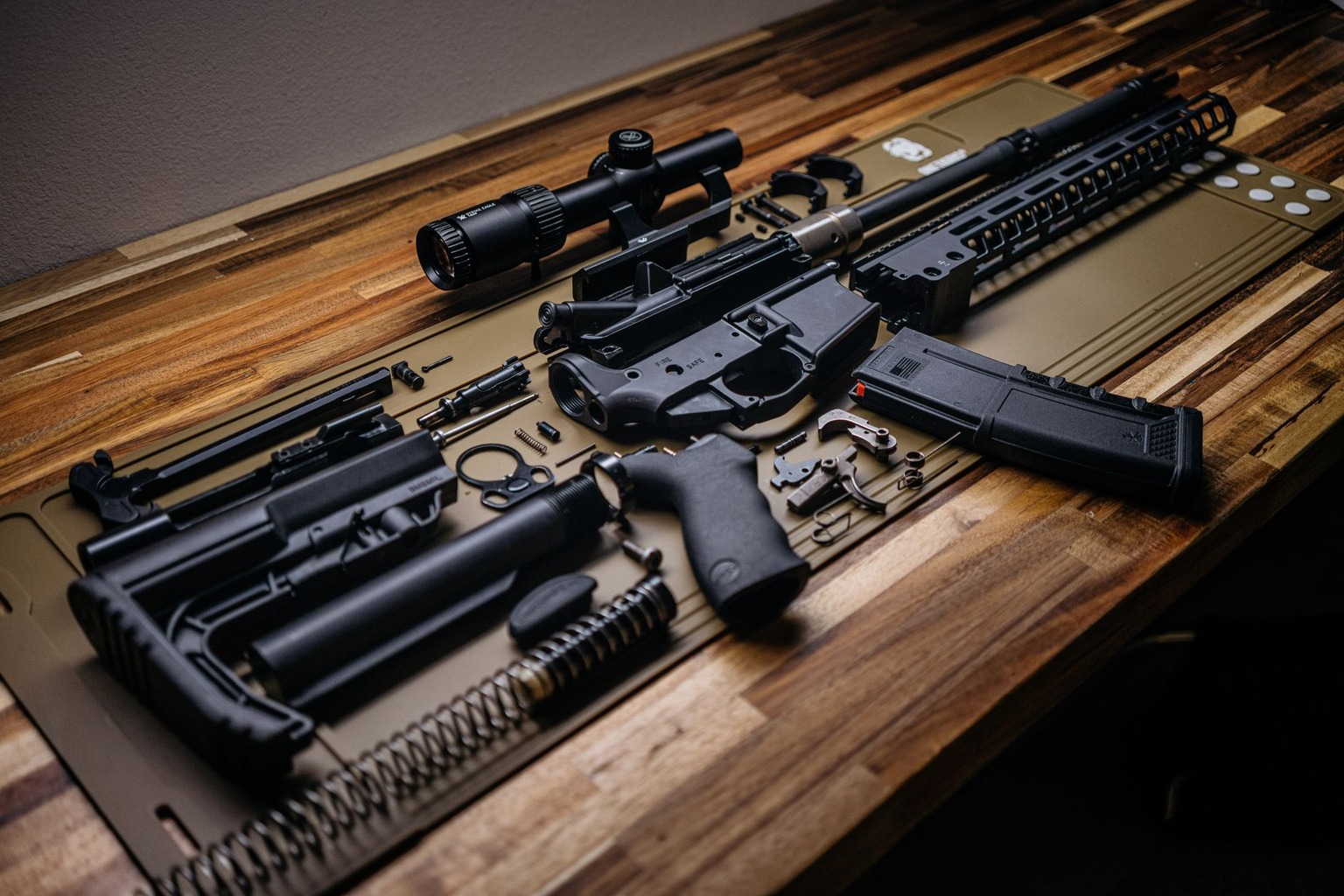
Striker fired handguns dominate the modern tactical market due to their consistent pull weight from the first shot to the last without requiring an external hammer. Factory configurations on these polymer pistols frequently utilize hinged safety blades inside the shoe, which can feel awkward and fatiguing during extended range sessions. Aftermarket designers have completely revolutionized this segment by introducing flat faced shoes that alter the mechanical leverage and reduce the total distance required for ignition. Some advanced factory upgrades completely redesign the internal sear geometry to mimic a true single action break, reducing the overall pull weight while maintaining drop safety drop ratings. Installing these comprehensive kits requires careful fitting of pins and springs, but the resulting reduction in grittiness makes the firearm significantly easier to shoot accurately under pressure.
Two Stage Match Configurations for Long Range Rifles
Precision rifle shooters heavily favor two stage mechanisms because the design splits the firing process into two distinct, predictable phases that enhance control. The initial take-up allows the shooter to pull through a defined amount of slack until hitting a solid, unyielding wall where the final pressure is applied. This clear tactile feedback acts as a physical indicator that the shot is about to break, which helps eliminate flinching and anticipation errors during critical moments. Benchrest competitors often set the second stage to break at a mere ounces of pressure, ensuring that the crosshairs do not drift off the target during the final squeeze. Maintaining these delicate assemblies requires keeping the internal surfaces free of carbon buildup and using specialized lubricants that will not gum up in freezing temperatures.
Evaluating Factory Upgrades for Popular Duty Handguns
Major firearm manufacturers now offer factory-certified replacement assemblies that provide enhanced performance without voiding warranties or compromising drop safety compliance on duty weapons. Factory drop-in kits for popular polymer platforms utilize redesigned sear housings and nickel boron coatings to eliminate the gritty feeling inherent in mass-produced components. These upgrades deliver a noticeably shorter reset and a more defined wall, helping officers and civilian defenders shoot tighter groups without sacrificing reliability. Choosing a manufacturer-engineered solution eliminates the guesswork of mixing mismatched aftermarket parts from different vendors, ensuring consistent ignition across various types of defensive ammunition. Shooters looking to improve their daily carry piece without sacrificing drop safety certifications should always prioritize these factory-backed precision options over unverified custom modifications.

I’ve been drawn to the world of firearms and edged weapons ever since I first visited a local shooting range as a teen. I love exploring the history, technology, and responsible use of these tools, and I enjoy sharing insights with fellow enthusiasts.