The way you handle a firearm in transit, whether across state lines, through a public space, or inside a vehicle, directly shapes how others perceive your responsibility as a gun owner. Unlike the myths that suggest carrying a firearm is just about personal defense, the reality is that proper transport is a technical skill that balances legal compliance, safety, and practicality. A misstep in securing a firearm in the trunk or leaving it accessible in a public area can turn a routine trip into a legal or security liability. The distinction between a well-executed transport and a negligent one often hinges on details like trigger locks, unloaded status, and the choice between hard cases and soft slings. For enthusiasts who prioritize both safety and convenience, understanding these nuances isn’t optional, it’s foundational.
Understanding the Core Principles of Firearm Transport Safety
The first principle of safe firearm transport isn’t just about keeping the gun out of reach; it’s about treating the firearm as a controlled system while in motion, firearm transport safety tips. This means recognizing that a firearm in transit isn’t inert, it’s a mechanical device with potential energy, and that energy must be managed. The ATF’s guidelines emphasize that even unloaded firearms should be transported with a mechanism to prevent accidental discharge, such as a cable or thumb-break safety. For airsoft guns, which often mimic real firearms but lack live ammunition, the same logic applies: the risk of damage or misidentification in public still demands the same level of care. A common misconception is that airsoft guns can be transported without any precautions, but in states with strict gun laws, they may still be treated as real firearms under certain regulations. The key takeaway is that transport safety isn’t a binary choice between “loaded” and “unloaded”, it’s a spectrum where every step matters, from how the firearm is secured to how it’s presented to authorities if stopped.
Another critical principle is the psychological aspect of transport. Studies on permitless carry laws show that even when laws change, public perception of firearm presence in public spaces remains a significant factor. For example, Florida’s shift toward permitless carry has led some employers to retain reasonable restrictions on firearms in workplaces, illustrating how transport decisions can influence broader social dynamics. When transporting a firearm, whether in a vehicle or across a parking lot, owners must consider how their actions might be interpreted by others. This isn’t about paranoia; it’s about recognizing that a firearm in plain sight can alter how people interact with you, from strangers to law enforcement. For this reason, many gun owners opt for concealment methods like hard cases or slings that hide the firearm’s profile while still allowing quick access if needed. The goal isn’t just to comply with laws but to navigate public spaces with confidence and minimal friction.
The Role of Legal Context in Firearm Transport
The legal landscape for firearm transport varies by state and jurisdiction, and these differences can create unexpected challenges. For instance, some states require firearms to be transported in a locked container, while others only mandate that the firearm be unloaded and cased. This variability means that what’s legal in one area might not be in another, and even airsoft guns can fall under these rules if they’re designed to resemble real firearms. The ATF’s stance on stolen guns highlights how transport negligence can lead to serious consequences, including criminal charges if a firearm is found accessible in a vehicle and later reported stolen. For example, leaving a firearm in plain sight in the backseat of a car, even if unloaded, can create a liability if someone reports it as stolen, as authorities may assume it was easily accessible. This is why many gun owners invest in secure transport solutions like trunk locks or locked gun cases, which provide both legal protection and peace of mind.
Beyond state laws, federal regulations add another layer of complexity. The National Firearms Act (NFA) and other federal statutes impose additional requirements for certain types of firearms, such as suppressors or short-barreled rifles, which may require special permits and secure transport methods. Even for airsoft guns that mimic NFA-covered items, some jurisdictions may still require them to be transported in a manner that prevents them from being mistaken for real firearms. This is where the distinction between “airsoft” and “replica” becomes critical, some replicas are designed to be indistinguishable from real firearms, and transporting them without proper precautions can lead to legal issues. The bottom line is that legal compliance isn’t just about avoiding fines; it’s about protecting yourself from unintended consequences, such as misidentification or theft. A well-informed gun owner will always check local and federal regulations before transporting any firearm, regardless of its caliber or type.
How Physical Security Affects Transport Outcomes
The physical security of a firearm during transport isn’t just about preventing theft, it’s about controlling the firearm’s state of readiness. A firearm left loaded in a vehicle, even with a safety engaged, still poses a risk if someone gains access to it. The ATF’s data on stolen guns shows that a significant portion of thefts occur from unlocked vehicles, underscoring the importance of basic security measures. For airsoft guns, the risk might be lower, but the principle remains the same: if a firearm is easily accessible, it’s vulnerable. This is why many gun owners use hard cases or locked containers to transport their firearms, even if they’re unloaded. These containers not only deter theft but also protect the firearm from damage, which is particularly important for airsoft guns that may be subject to wear and tear during transport. Additionally, using a trunk lock or securing the firearm in the passenger compartment can further reduce the risk of unauthorized access.
For a clear breakdown on how to legally drive firearms across state lines, watch this helpful video from Sportsman’s Warehouse right here.
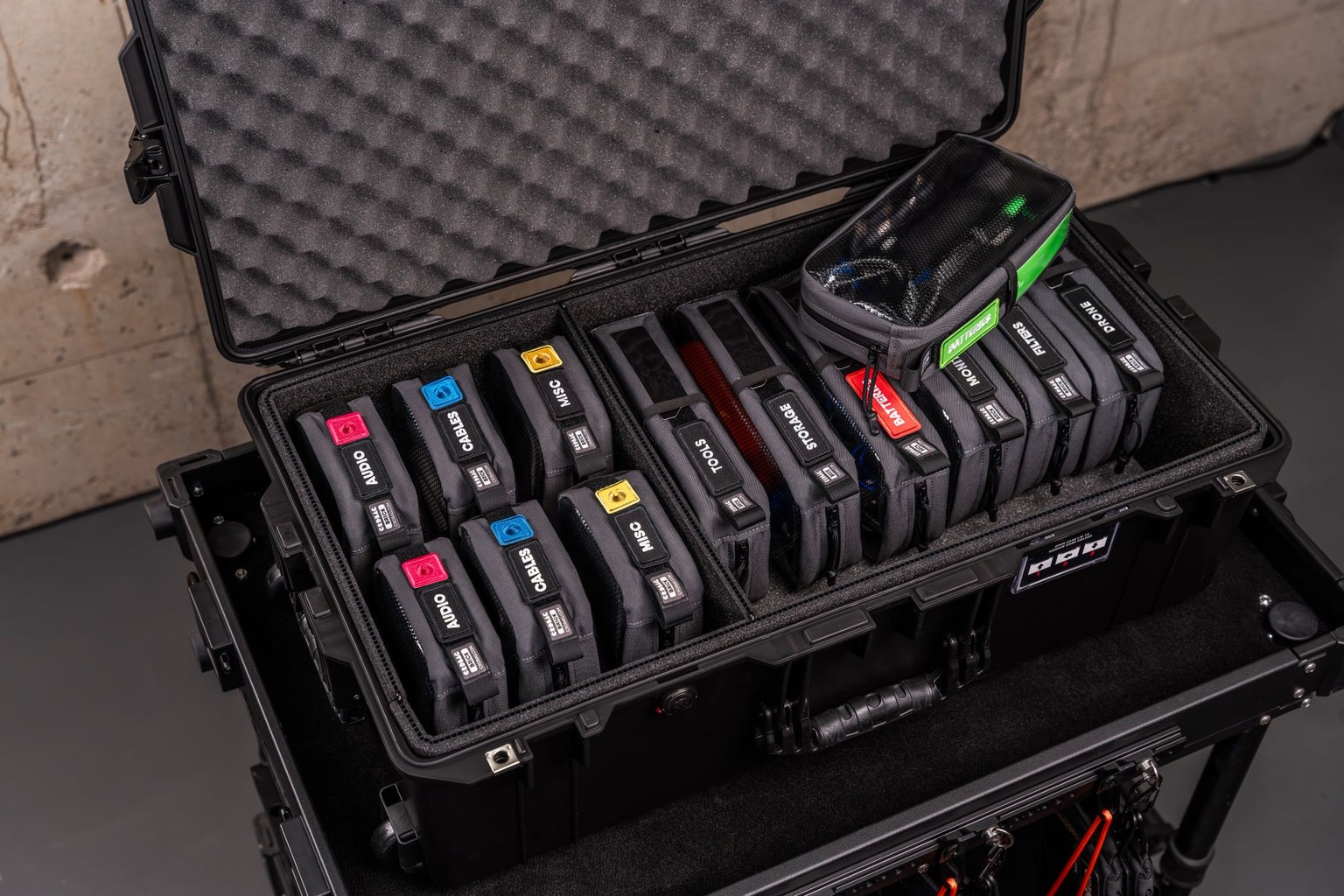
Another aspect of physical security is how the firearm is presented during transport. For example, carrying a firearm in a holster on your person requires a different approach than storing it in the trunk. In states with open carry laws, gun owners might opt for a sling or shoulder holster to keep the firearm visible but secure, while in states with concealed carry requirements, a concealed carry holster or a hard case becomes essential. The choice often depends on the firearm’s size, the owner’s comfort level, and the intended use. For airsoft guns, which are often larger and heavier, a sling or backpack-style carrier can provide stability during transport while keeping the gun secure. The key is to balance accessibility with security, you want the firearm to be easy to retrieve if needed but difficult to access by someone who shouldn’t have it. This balance is what separates a well-executed transport from a reckless one.
The Psychological and Social Dynamics of Firearm Transport
Beyond the legal and physical aspects, the psychological and social dynamics of firearm transport can significantly impact how it’s perceived. Research on permitless carry laws shows that even when laws change, public perception of firearms in public spaces remains a major factor. For example, some employers retain the right to restrict firearms in workplaces, reflecting how the presence of a firearm, even when legally carried, can alter the social environment. This is why many gun owners choose to conceal their firearms when in public, opting for holsters or cases that minimize visibility. The goal isn’t just to comply with laws but to navigate social interactions with minimal disruption. For airsoft enthusiasts, this might mean avoiding public areas where their guns could be mistaken for real firearms, especially in states with strict gun laws. The psychological weight of carrying a firearm, real or replica, means that owners must be mindful of how their actions might affect others.
The social aspect also extends to how firearm transport is perceived by law enforcement. Studies on permitless carry have shown that police interactions with armed individuals can sometimes escalate due to miscommunication or misunderstanding. For this reason, many gun owners carry a concealed carry permit or other documentation to prove legal possession, especially when transporting firearms across state lines. Even for airsoft guns, carrying a permit or a clear label indicating the gun’s non-lethal nature can help avoid unnecessary confrontations. The bottom line is that firearm transport isn’t just a technical task, it’s a social one. Owners must consider how their actions might be interpreted by others, from strangers to law enforcement, and adjust their approach accordingly. This awareness can prevent misunderstandings and ensure a smoother transport experience.
Common Mistakes and How to Avoid Them
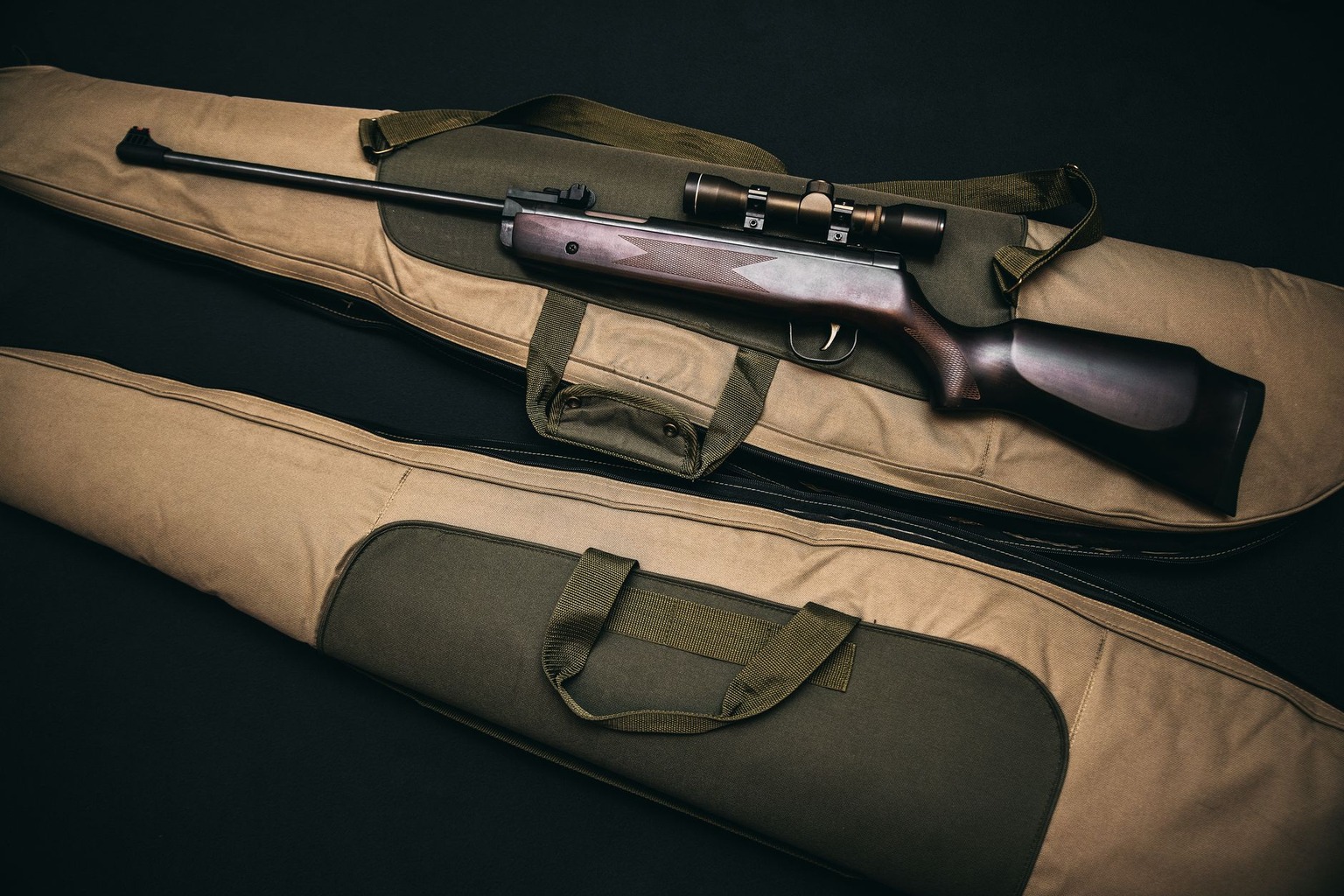
One of the most common mistakes in firearm transport is assuming that unloading a firearm is enough to ensure safety. While unloading is a critical step, it’s not sufficient on its own. For example, leaving a firearm in the trunk of a car without a trigger lock or a locked container leaves it vulnerable to theft or accidental discharge if someone gains access. The ATF’s data on stolen guns highlights how often firearms are taken from unlocked vehicles, so even unloaded guns should be secured. For airsoft guns, the risk might be lower, but the principle remains: if a firearm is easily accessible, it’s at risk. Another mistake is using soft cases or slings that don’t provide adequate protection. These can be easily opened or damaged, leaving the firearm exposed. Hard cases or locked containers are far more secure and should be the standard for transporting any firearm, regardless of its type. The goal is to eliminate any opportunity for unauthorized access or damage.
Another frequent error is failing to check local and federal regulations before transporting a firearm. Many gun owners assume that their state’s laws apply everywhere, but this isn’t the case. For example, some states require firearms to be transported in a locked container, while others only mandate that they be unloaded and cased. This variability means that what’s legal in one area might not be in another, and even airsoft guns can fall under these rules if they’re designed to resemble real firearms. The ATF’s guidelines on stolen guns emphasize how important it is to comply with all relevant regulations, as negligence can lead to serious consequences. Before transporting any firearm, owners should research the specific laws in the states they’ll be traveling through and ensure they’re in full compliance. This proactive approach can prevent legal issues and ensure a smooth transport experience.
Advanced Techniques for Secure Firearm Transport
For those who prioritize security above all else, advanced techniques like trunk locks, locked gun cases, and even GPS tracking can provide an extra layer of protection. Trunk locks, for example, prevent anyone from accessing the trunk of a car without a key, making it nearly impossible for someone to steal a firearm left in the trunk. Locked gun cases, which are designed to be resistant to tampering, offer another level of security, ensuring that even if a firearm is left in the passenger compartment, it’s still protected. For airsoft guns, which may be heavier or bulkier, a secure case can also prevent damage during transport. These advanced techniques aren’t just for high-profile targets, they’re for anyone who wants to minimize risk. The cost of a trunk lock or a high-quality gun case is often negligible compared to the potential consequences of a theft or accident.
Another advanced technique is using a concealed carry holster or a sling that keeps the firearm secure while allowing for quick access. These methods are particularly useful for those who carry firearms on their person, as they provide both concealment and security. For airsoft enthusiasts, a sling or backpack-style carrier can be ideal, as it keeps the gun stable during transport while minimizing visibility. The key is to choose a method that balances accessibility with security, ensuring that the firearm is easy to retrieve if needed but difficult to access by someone who shouldn’t have it. Additionally, some gun owners opt for GPS tracking devices, which can help locate a stolen firearm quickly. While these devices don’t prevent theft, they can significantly improve the chances of recovery. For those who transport firearms regularly, investing in these advanced techniques is a small price to pay for added security and peace of mind.

I’ve been drawn to the world of firearms and edged weapons ever since I first visited a local shooting range as a teen. I love exploring the history, technology, and responsible use of these tools, and I enjoy sharing insights with fellow enthusiasts.