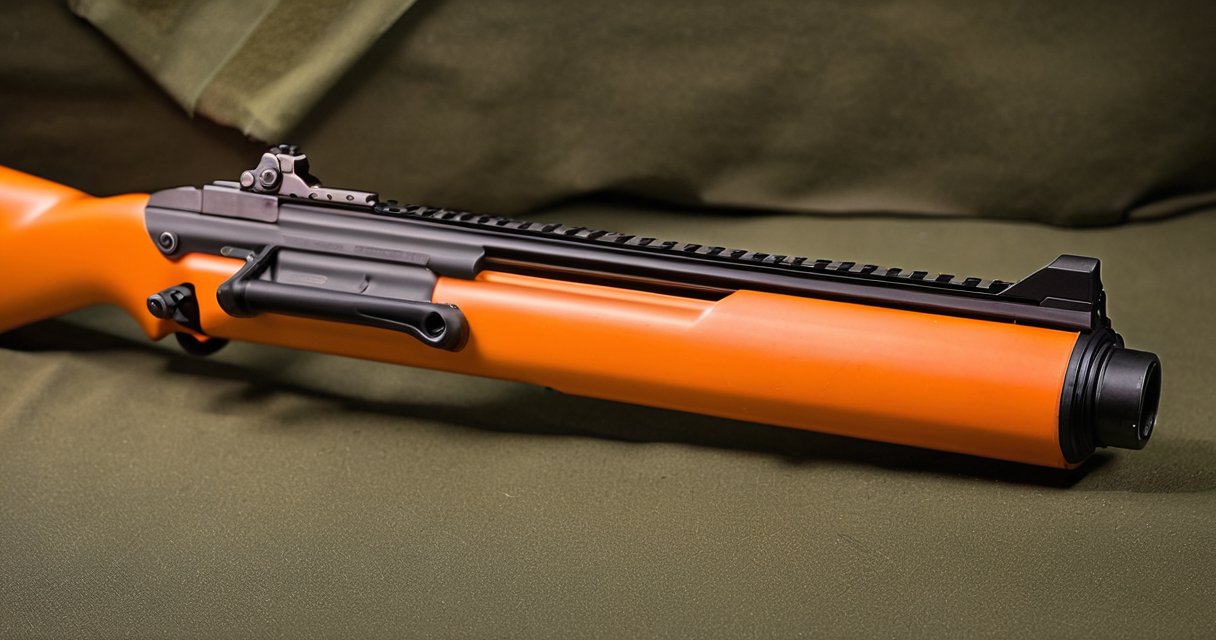
Understanding Federal Regulations for Airsoft Guns
When navigating federal airsoft laws, it is important to recognize that airsoft guns are not classified as firearms under major federal statutes such as the Gun Control Act. This distinction means they are exempt from many of the rigorous requirements that apply to real firearms, including background checks and federal licensing for possession. Instead, airsoft guns are typically viewed as recreational replicas or toys, allowing for greater flexibility when transporting airsoft guns across state lines.
Key federal airsoft laws focus primarily on importation standards and consumer product safety rather than ownership or interstate movement. The Bureau of Alcohol, Tobacco, Firearms and Explosives does not regulate airsoft guns as firearms because they lack the ability to discharge projectiles through explosive force. As a result, individuals transporting airsoft guns do not need to comply with National Firearms Act provisions or secure federal firearms licenses, setting them apart from actual weapons that demand strict oversight.
Legal compliance remains essential, however, to avoid misinterpretation by authorities. Airsoft regulations encourage secure packaging, such as using opaque cases or original manufacturer boxes, to prevent confusion during transport. While no specific federal permit is required for crossing state lines, owners should ensure airsoft guns are unloaded and stored separately from any ammunition-like accessories to maintain clear differentiation from prohibited items.
In contrast to real firearms, which may trigger additional scrutiny under federal transport rules, airsoft guns benefit from simplified procedures that prioritize safety and transparency. This approach supports responsible use while aligning with broader airsoft regulations designed to protect consumers without imposing excessive barriers. Always confirm the latest federal airsoft laws through official government resources to ensure ongoing legal compliance during any transporting airsoft guns activities.
Navigating State-Specific Airsoft Transportation Laws
When transporting airsoft guns, it is important to recognize that state airsoft laws differ significantly from one place to another. These differences in transport regulations by state can impact how you prepare for travel. Legal airsoft transport hinges on understanding the varying state rules that govern the movement of these items. Some states have very specific requirements for how airsoft guns must be carried, including the use of hard cases and ammunition separation, while others are much more relaxed. Travelers should always take the time to research the laws in both their origin and destination states as well as any states they will pass through.
This proactive approach helps avoid potential legal troubles. Because the transport regulations by state are not standardized, assumptions based on one state’s rules can lead to problems elsewhere. For legal airsoft transport, knowledge is your best tool. Many airsoft players recommend creating a checklist based on the state airsoft laws of the areas involved in your journey. This includes confirming whether the guns need to be in a locked container or if they can be transported in plain sight under certain conditions. The varying state rules make it essential to stay updated, as laws can be amended without much notice.
Furthermore, consulting with local airsoft clubs or legal professionals can offer practical advice tailored to specific regions. However, the ultimate responsibility lies with the individual to ensure compliance with all applicable transport regulations by state. By doing thorough research into state airsoft laws, you can facilitate legal airsoft transport and focus on enjoying the sport. It is also wise to keep documentation or printouts of the relevant laws with you during travel as proof of due diligence. This practice can be particularly helpful during any interactions with authorities.
Remember that the goal is safe and legal airsoft transport, which starts with acknowledging the varying state rules across the nation. In addition, international borders present even more considerations, but for domestic travel, focusing on state airsoft laws is key. Always plan ahead and verify the transport regulations by state to maintain legal airsoft transport practices amid the varying state rules that exist. Checking official sources before every trip remains the most reliable way to stay compliant wherever your airsoft activities take you.
Safe Packaging and Storage During Transport
When it comes to transporting airsoft guns legally, proper packaging airsoft guns plays a crucial role in maintaining safety and compliance with all applicable rules. Always invest in high-quality hard cases or padded bags specifically designed for airsoft replicas. These cases not only protect the equipment from damage but also serve as a secure method for airsoft gun storage during transit. Ensure the gun is unloaded and the magazine is removed before placing it inside the case. Adding extra foam layers helps cushion every component against bumps or sudden stops on the road.
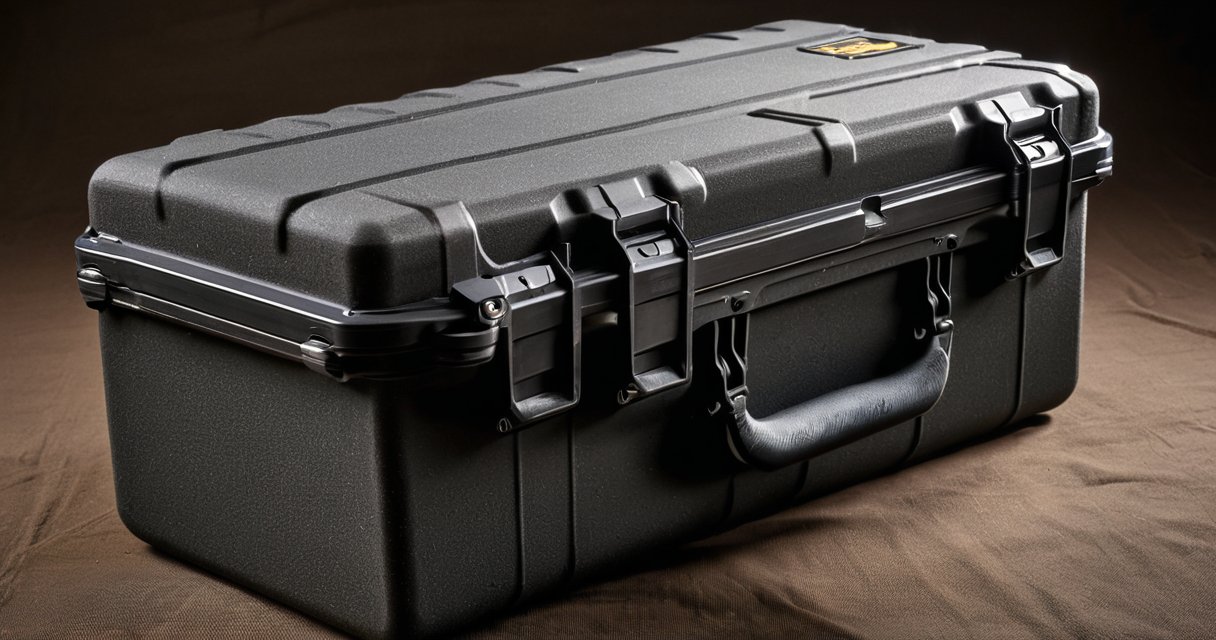
Safe transport tips include using foam padding to immobilize the airsoft gun within the case, preventing any movement that could lead to scratches or accidental activation of the trigger mechanism. Additionally, label the exterior of the case clearly with information indicating it contains an airsoft gun, which supports legal carrying methods by demonstrating transparency to law enforcement officers. Waterproof labels with your contact details further improve accountability and help authorities quickly identify the contents without confusion during inspections.
For optimal results, store the case in the trunk or cargo area of your vehicle rather than the passenger compartment. This approach aligns with many regulations regarding airsoft gun storage and helps avoid misunderstandings with passengers or bystanders. When flying or using public transport, check airline or carrier policies in advance, as they often require specific packaging airsoft guns in locked, hard-sided luggage that meets size and weight restrictions for checked baggage.
Another key aspect involves understanding that legal carrying methods may require the case to be locked with a key or combination. Never leave the case unattended, and consider using cable locks for added security during rest stops. By following these guidelines, you can ensure a hassle-free experience while prioritizing safety at every stage of the journey, from departure to arrival at your destination.
By adhering to these best practices for packaging airsoft guns, enthusiasts can enjoy their hobby without legal issues. Proper preparation minimizes risks and promotes responsible ownership across different jurisdictions.
Common Legal Pitfalls and How to Avoid Them
Many enthusiasts encounter airsoft transport mistakes that quickly escalate into serious legal issues airsoft. One frequent error involves carrying replicas in plain sight or unsecured within vehicles, which draws unwanted attention from law enforcement and can result in immediate confiscation or charges. Another common pitfall is failing to research state-specific regulations before crossing borders, leaving owners vulnerable to unexpected violations.
To prevent these situations, always store airsoft guns in locked, opaque cases during travel. This simple step dramatically reduces visibility and demonstrates responsible handling. Additionally, separate magazines and batteries from the replica itself to further emphasize that the item is not a functional firearm.
Staying informed about local ordinances forms the foundation of effective compliance tips. Before any trip, verify rules through official state resources or legal databases rather than relying on forums. Documenting these checks can also prove useful if questions arise during a traffic stop.
Proper planning helps with avoiding fines that often range from several hundred to thousands of dollars. Never assume that an airsoft gun qualifies as a toy in every jurisdiction; some areas treat replicas identically to firearms for transport purposes. Maintaining a dedicated compliance checklist that includes case requirements, age restrictions, and destination laws keeps owners on the right side of regulations.
Finally, consider joining reputable airsoft organizations that provide updated guidance on transport standards. These groups frequently share real-world examples of airsoft transport mistakes and successful strategies for remaining compliant. By combining secure storage practices with thorough legal research, enthusiasts can enjoy the hobby without unnecessary risk.
Resources for Staying Up-to-Date on Airsoft Laws
Staying informed about the ever-changing landscape of airsoft regulations requires access to reliable airsoft law resources. These tools are essential for anyone involved in the sport who needs to transport their equipment across state lines or within their local area. By utilizing comprehensive airsoft law resources, enthusiasts can ensure they remain compliant with all applicable rules and avoid unnecessary complications.
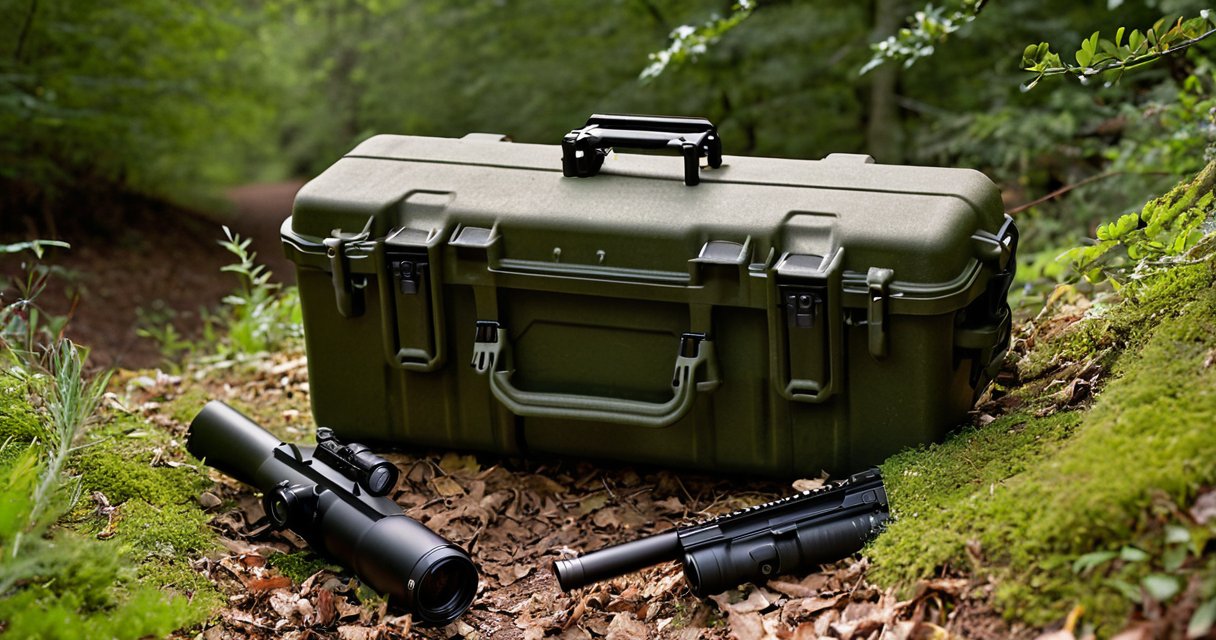
One of the best ways to stay updated is through airsoft associations. These organizations often provide members with the latest legal updates and detailed transport guides tailored to specific jurisdictions. Whether you are a beginner or a seasoned player, connecting with airsoft associations can offer peace of mind when planning your next trip with your gear.
In addition to associations, several dedicated websites serve as hubs for legal updates on airsoft activities. These platforms compile information from official sources and present it in an easy-to-understand format, making it simple to find relevant transport guides for your location. Users are encouraged to bookmark these sites and check them regularly for any new developments.
Government websites and legal databases also play a critical role in providing accurate information. They allow individuals to search for specific laws related to the transport of airsoft guns, ensuring that all details are current and verified. Combining these official resources with insights from airsoft associations creates a robust system for staying informed.
Furthermore, online forums and community tools moderated by airsoft associations can be invaluable. Here, users share personal experiences and tips on navigating transport regulations, often highlighting the most recent legal updates. This collaborative approach helps build a knowledgeable community dedicated to safe and legal practices.
Ultimately, leveraging a variety of airsoft law resources empowers users to make informed decisions. From transport guides to real-time legal updates, these tools are indispensable for maintaining compliance in the dynamic world of airsoft sports.

I’ve been drawn to the world of firearms and edged weapons ever since I first visited a local shooting range as a teen. I love exploring the history, technology, and responsible use of these tools, and I enjoy sharing insights with fellow enthusiasts.