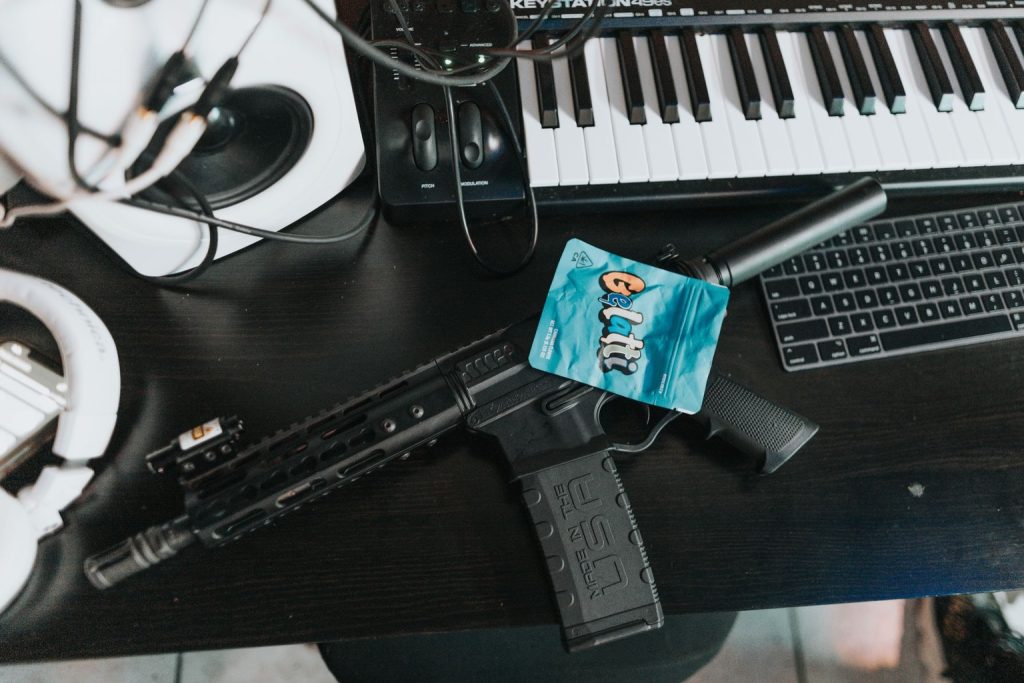
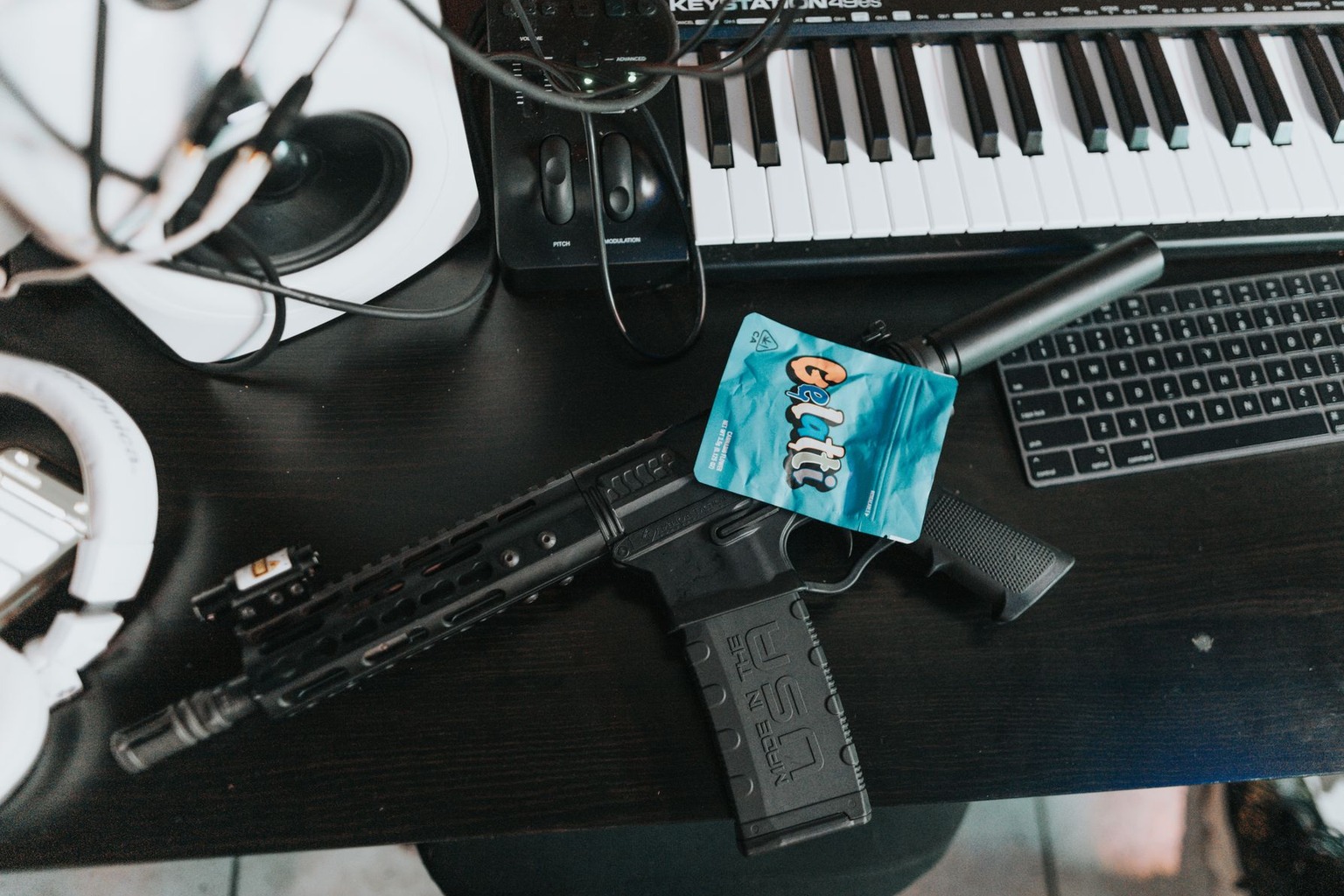
Firearm suppressors remain one of the most misunderstood pieces of modern weaponry. Often portrayed in movies as tools for silent assassins, the reality of owning and using a suppressor involves a complex blend of physics, regulation, and practical shooting considerations. For anyone looking to understand how these devices function and what they actually offer, a comprehensive firearm suppressor guide 2026 is essential reading. This guide aims to cut through the noise, offering a clear look at the technical benefits, the legal landscape, and the real-world scenarios where suppressors prove most valuable.
What a Suppressor Actually Does
The primary function of a suppressor is to reduce the acoustic signature of a firearm discharge. When a cartridge fires, high-pressure gas expands rapidly, creating the loud “bang” associated with gunfire. A suppressor traps and slows this gas expansion, allowing it to cool and quiet down before exiting the muzzle. This process does not make a gun silent; rather, it reduces the sound pressure level to hearing-safe ranges for the shooter and those nearby. In practical terms, a shooter at a range wearing proper ear protection might find the report significantly less jarring, allowing for better communication and reduced fatigue during extended sessions. Understanding this fundamental mechanism is the first step in appreciating why suppressors are valued by hunters, competitive shooters, and tactical professionals alike.
Performance Factors and Ballistic Impact
Beyond noise reduction, a suppressor alters the gun’s performance in several measurable ways. The addition of a tube on the barrel changes the harmonics of the shot, which can affect accuracy. Some shooters find that a well-integrated suppressor actually improves precision by stabilizing the barrel’s vibration pattern. However, not all suppressors are created equal; the internal geometry, or “baffle stack,” plays a huge role in how much gas is diverted and how much backpressure is created. For those running semi-automatic platforms, increased backpressure can affect cycling reliability, sometimes requiring an adjustable gas block or a specific buffer weight to maintain smooth operation. These nuances are why a detailed firearm suppressor guide 2026 often includes ballistic tables and recommendations for specific platforms.
Legal Landscape and Ownership Requirements
The legal status of firearm suppressors varies significantly by jurisdiction, making research a mandatory first step. In the United States, the National Firearms Act (NFA) governs their possession, requiring a background check, fingerprinting, and the payment of a tax stamp. This process can take several months, during which the applicant must wait for approval from the Bureau of Alcohol, Tobacco, Firearms and Explosives (ATF). Some states have their own additional restrictions, banning ownership entirely or imposing further registration requirements. Internationally, the rules are equally diverse; some countries embrace them for hearing protection, while others maintain strict prohibitions. Anyone considering a purchase must navigate these laws carefully, as violations can result in severe legal penalties. Consulting with a qualified legal professional specializing in firearm law is always recommended to ensure full compliance.
On Zack D. Films they explain how gun silencers work—you can watch it right here.
Practical Uses for Hunters and Sport Shooters
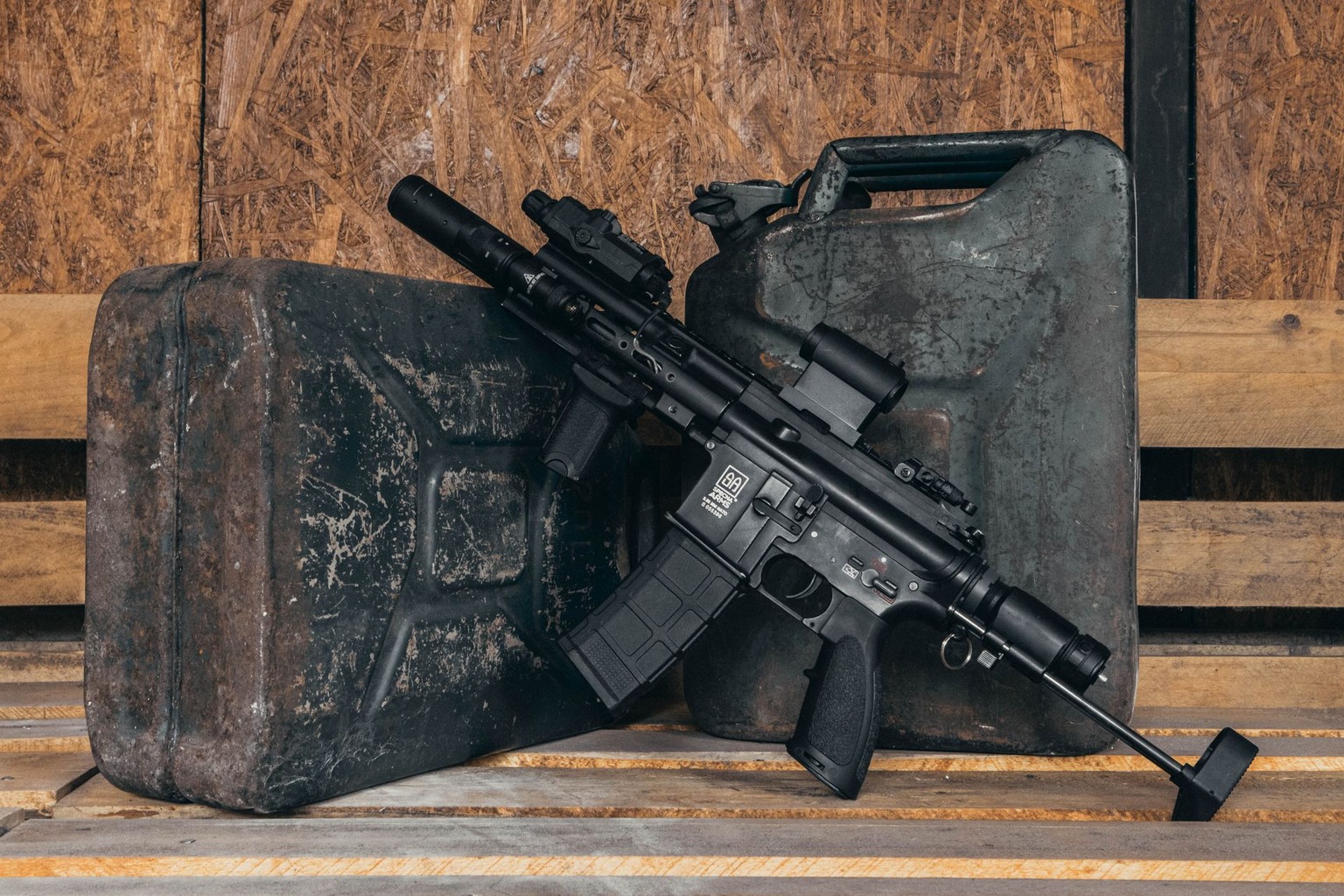
For hunters, the advantages of a suppressor are often practical rather than tactical. A suppressed rifle can help prevent game from being spooked by the report, potentially allowing for follow-up shots or preventing the animal from fleeing the area entirely. This can lead to more ethical harvests and better tracking conditions. In the sport shooting arena, suppressors allow competitors to focus on their form and trigger control without the need for double hearing protection. Silhouette shooting and practical rifle matches often welcome suppressed firearms because the reduced noise level improves the overall experience for everyone at the range. These practical benefits make suppressors a popular addition to a wide variety of shooting disciplines.
Maintenance, Durability, and Materials
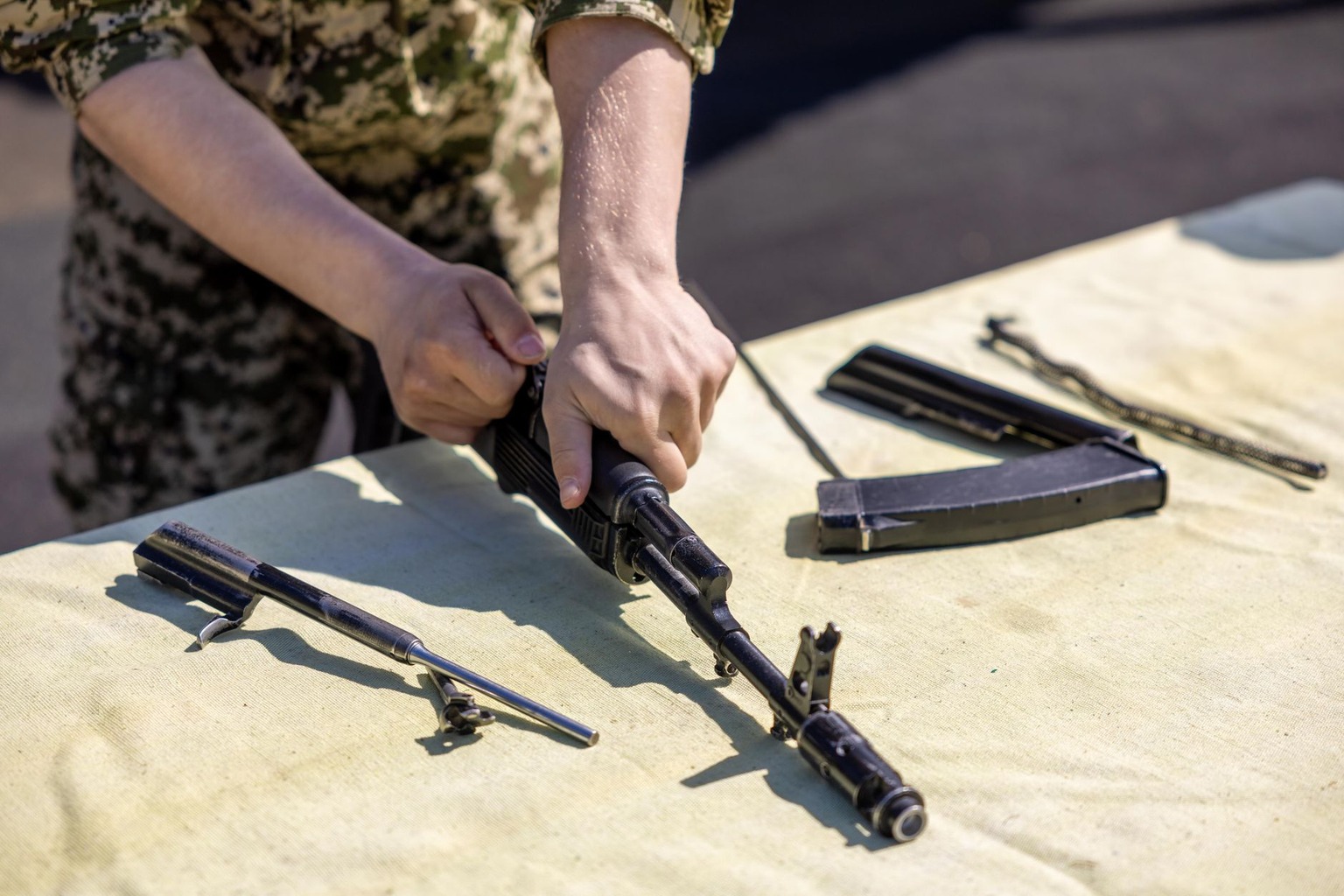
Like any piece of precision equipment, suppressors require regular maintenance to function effectively. Carbon buildup inside the baffles is inevitable, and if left unchecked, it can reduce the device’s noise-reduction capabilities and affect reliability. Most modern suppressors are constructed from aerospace-grade aluminum, titanium, or stainless steel, each offering a different balance of weight, heat resistance, and longevity. Titanium units are prized for their light weight, making them ideal for hunting rifles where every ounce counts. Stainless steel models often handle high-round counts and sustained fire better, though they tend to be heavier. Regardless of the material, following the manufacturer’s cleaning instructions is crucial for preserving the investment and ensuring consistent performance over thousands of rounds.
Choosing the Right Suppressor for Your Needs
Selecting a suppressor involves matching the device to the specific caliber and intended use. A .22 LR suppressor, for instance, is typically smaller and simpler in design, focusing on maximum noise reduction for small game rifles. Conversely, a multi-caliber suppressor designed for .300 Blackout or 5.56 NATO must be larger and more robust to handle the higher pressures and temperatures associated with centerfire cartridges. Features such as quick-detach mounts, modular baffle systems, and user-serviceable components also vary by model. Reading reviews and consulting a current firearm suppressor guide 2026 can help a buyer navigate these options, ensuring they get a device that fits their specific firearm and shooting style without unnecessary compromise.

I’ve been drawn to the world of firearms and edged weapons ever since I first visited a local shooting range as a teen. I love exploring the history, technology, and responsible use of these tools, and I enjoy sharing insights with fellow enthusiasts.