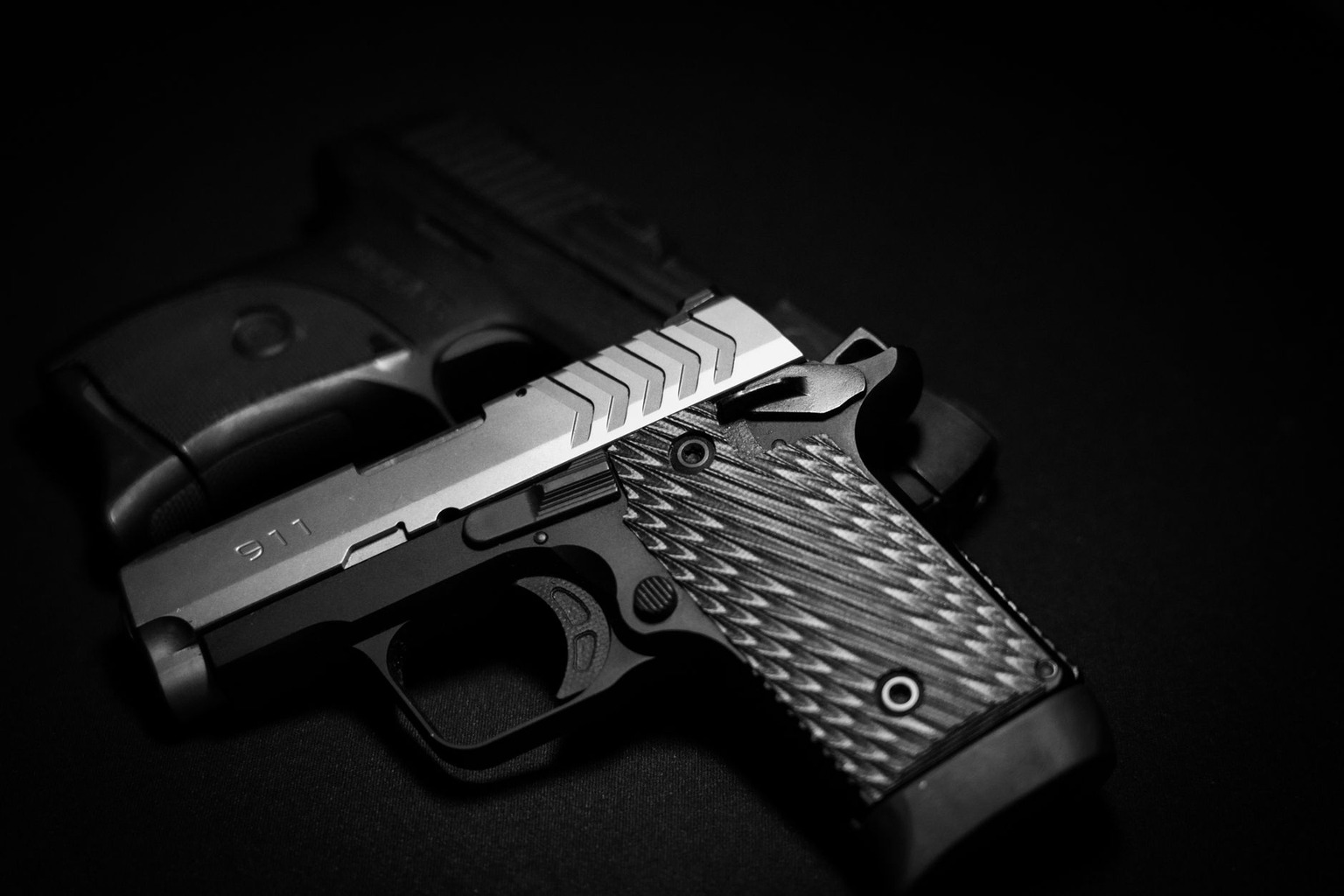
The right grip isn’t just a detail, it’s the foundation of how you control your firearm. Whether you’re dry-firing for muscle memory, engaging targets at 25 yards, or reloading under pressure, the way your hand meets the gun directly impacts recoil management, trigger control, and shot placement. A well-designed firearm grip importance lies in how it bridges the gap between your natural grip strength and the gun’s mechanics, ensuring consistency when every millisecond counts. For shooters who prioritize precision, this isn’t about aesthetics; it’s about ergonomics that reduce fatigue and eliminate slippage, even after 50 rounds. Overlooking grip design means trading control for guesswork, and in competitive shooting or defensive scenarios, that’s a margin you can’t afford.
The Anatomy of a Proper Firearm Grip
A proper grip isn’t just about holding the gun, it’s about positioning your hand to maximize stability and minimize recoil. Start by placing your dominant hand’s fingers along the frame’s contour, with the webbing of your thumb resting against the grip’s backstrap. This creates a natural fulcrum that distributes pressure evenly, preventing the muzzle from rising during recoil. Your non-dominant hand should wrap around the grip’s front, with fingers aligned to cradle the slide or barrel, depending on the firearm type. For pistols like the Glock 17 or Smith & Wesson M&P, this means your off-hand fingers should rest just behind the mag release, while your dominant hand’s fingers should curve around the trigger guard. If your grip feels loose, even with a quality grip like those from LOK or Magpul, recoil will transfer directly to your wrist, making follow-up shots inconsistent. The goal is to create a rigid connection from your shoulder to the gun’s muzzle, so recoil doesn’t disrupt your sight alignment.
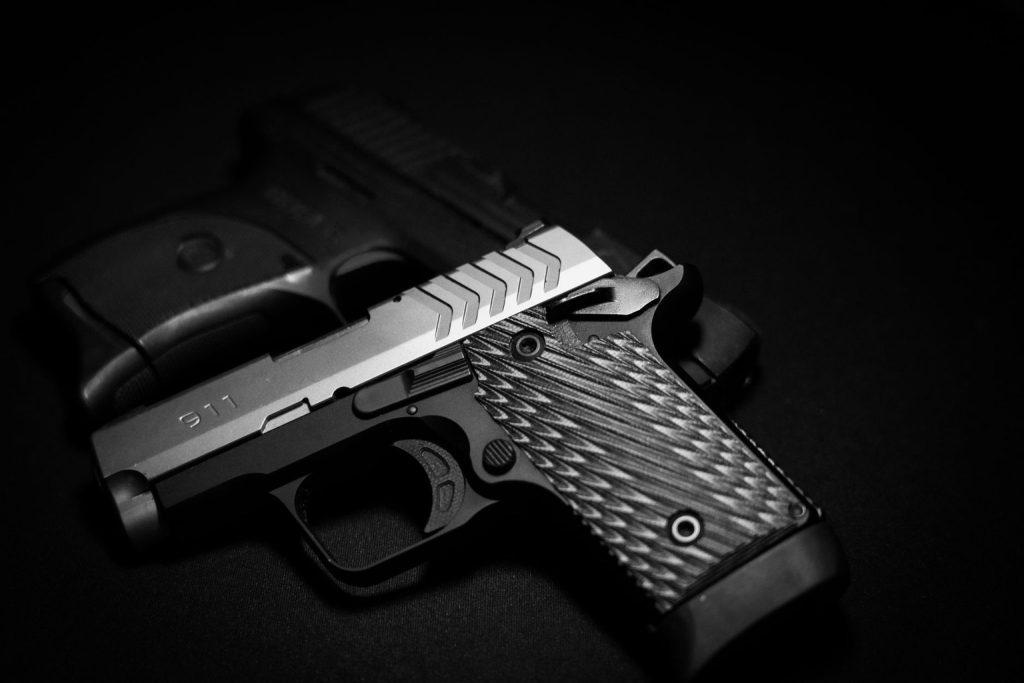
Material choice plays a critical role in how a grip performs under stress. Rubberized textures like those on the Zeus Hades grips provide grip even when your hands are sweaty or gloved, while textured polymer grips like those on the Magpul MOE offer a balance of durability and comfort. The thickness of the grip also matters, thicker grips (around 0.35 inches) absorb recoil better but may fatigue your hand faster during long sessions, while thinner grips (around 0.25 inches) offer a more natural feel but can feel slippery under heavy recoil. For shooters who rotate between multiple guns, like those using a 1911 for competition and a revolver for plinking, a modular grip system, such as the ones compatible with the Ruger SRP, lets you swap out grips based on the task at hand. This adaptability ensures you’re always optimized for the specific recoil characteristics of the firearm you’re holding.
Why Standard Grips Often Fall Short
Most factory grips are designed with mass production in mind, not ergonomics. The stock grips on a Sig Sauer P320 or a Taurus RSP are functional but lack the customization needed for serious shooters. These grips often feel too thin, leading to a loose hold that exacerbates recoil kick, or too bulky, causing your hand to fatigue after 20 rounds. The issue isn’t the grip itself, it’s the mismatch between the gun’s design and the shooter’s physiology. For example, a shooter with smaller hands may struggle with the grip profile of a Glock 22, while someone with larger hands might find the grip too short, forcing them to grip higher on the slide, which disrupts sight alignment. Even high-end firearms like the Kimber 1911 or the Ruger American Predator come with grips that prioritize aesthetics over performance, leaving shooters to either adapt or invest in aftermarket solutions. The result? Inconsistent shot groups, especially under stress, because the grip isn’t doing its job of stabilizing the gun during recoil.
The problem worsens when shooters ignore grip ergonomics in favor of grip size. A grip that’s too wide can make the gun feel unwieldy, especially for shooters with smaller hands, while a grip that’s too narrow can cause the fingers to cramp after prolonged use. This is why many competitive shooters opt for grips like the LOK Pro or the Magpul MS3, which offer a wider base for stability without sacrificing comfort. These grips distribute pressure more evenly across the hand, reducing the strain on the wrist and forearm. Without this balance, even experienced shooters will find their accuracy degrading after just a few minutes of sustained fire. It’s not about the grip being “better”, it’s about it being right for the shooter’s hand size, shooting style, and the firearm’s recoil characteristics.
How to Measure Your Hand and Find the Right Fit
Before you buy any grip, you need to know your hand dimensions. Start by measuring the length of your dominant hand from the base of your palm to the tip of your ring finger, this will determine the grip’s overall length. Most aftermarket grips range from 4.5 to 6.5 inches, but shooters with longer fingers may need grips up to 7 inches for full comfort. Next, measure the width of your hand at the widest point, typically where your thumb meets your index finger. This will help you choose a grip width that fits snugly without forcing your fingers to splay unnaturally. For example, a shooter with a hand width of 3.25 inches might prefer a grip like the Magpul MS1, which is designed for narrower hands, while someone with a hand width of 4 inches might opt for the LOK Pro, which offers a wider base for stability. Ignoring these measurements means settling for a grip that either feels too tight or too loose, both of which compromise control.
On the Code & Cartridges Network channel, they cover firearm handling techniques – you can watch it right here.
Don’t rely on guesswork, test grips before committing. Many gun stores and shooting ranges offer grip samples, and manufacturers like LOK and Magpul provide rental programs where you can try different models before purchasing. Pay attention to how the grip feels when you’re dry-firing, as this will give you the best indication of comfort and stability. If the grip feels too thick, your trigger finger may struggle to reach the trigger smoothly, leading to false pulls. If it’s too thin, your hand may slip forward during recoil, causing the muzzle to rise. The ideal grip should allow you to maintain a consistent grip pressure without straining your fingers or wrist. For shooters who rotate between multiple firearms, like those using a revolver for plinking and a 1911 for competition, modular grips, such as those compatible with the Ruger SRP, let you switch between profiles based on the task at hand. This flexibility ensures you’re always optimized for the specific recoil characteristics of the gun you’re holding.
Common Mistakes That Ruin Your Grip
One of the most common mistakes shooters make is gripping too tightly, especially under stress. This not only increases fatigue but also causes the gun to “lock up” during recoil, preventing smooth follow-through shots. The solution? Relax your grip slightly, focusing on maintaining control rather than squeezing the gun. Many shooters also make the error of gripping too high on the slide or barrel, which disrupts sight alignment and makes the gun harder to control. This often happens when using factory grips that are too short or when shooters compensate for a poor grip design. Another frequent issue is neglecting to adjust the grip for different shooting positions. For example, a grip that works perfectly for a standing position may feel awkward when shooting from a prone or kneeling position, leading to inconsistent shot placement. The key is to practice in multiple positions and make adjustments accordingly. Even small changes, like shifting your grip slightly forward or back, can make a big difference in recoil management and accuracy.
Another critical mistake is ignoring the role of the non-dominant hand. Many shooters focus solely on their dominant hand’s grip, but the off-hand plays a crucial role in stabilizing the gun. If your non-dominant hand isn’t properly positioned, the gun will shift during recoil, leading to inconsistent shot groups. This is why many competitive shooters use a support hand grip like the Magpul MS3, which provides a firm base for the off-hand while still allowing for quick transitions. Without proper off-hand support, even the best grip on the dominant hand won’t prevent the muzzle from rising. Additionally, some shooters make the error of using grips that are too slippery, even when shooting in dry conditions. This can lead to the gun slipping out of your hand during recoil, which is especially dangerous in defensive scenarios. The solution? Opt for grips with a textured surface, like those on the Zeus Hades, which provide grip even when your hands are sweaty or gloved.
Step-by-Step: How to Install and Adjust Your Grip
Installing a new grip isn’t just about slapping it on and hoping for the best, it’s about ensuring a secure, long-lasting fit that doesn’t compromise your shooting performance. Start by cleaning the grip area of your firearm thoroughly, removing any dirt or residue that could prevent the grip from seating properly. For most pistols, this means removing the existing grip and using a grip puller or a rubber mallet to gently tap the new grip into place. If you’re installing a grip on a revolver like the Smith & Wesson M&P, you may need to use a specialized tool to compress the grip’s mounting pins. Once the grip is in place, double-check that it’s flush with the frame, any gaps can cause the grip to shift during recoil, leading to inconsistent shot placement. For modular grips, like those compatible with the Ruger SRP, follow the manufacturer’s instructions carefully, as these often require specific tools to ensure a proper fit. If the grip feels loose after installation, it’s a sign that it wasn’t seated correctly, and you may need to reapply it or consult a gunsmith.
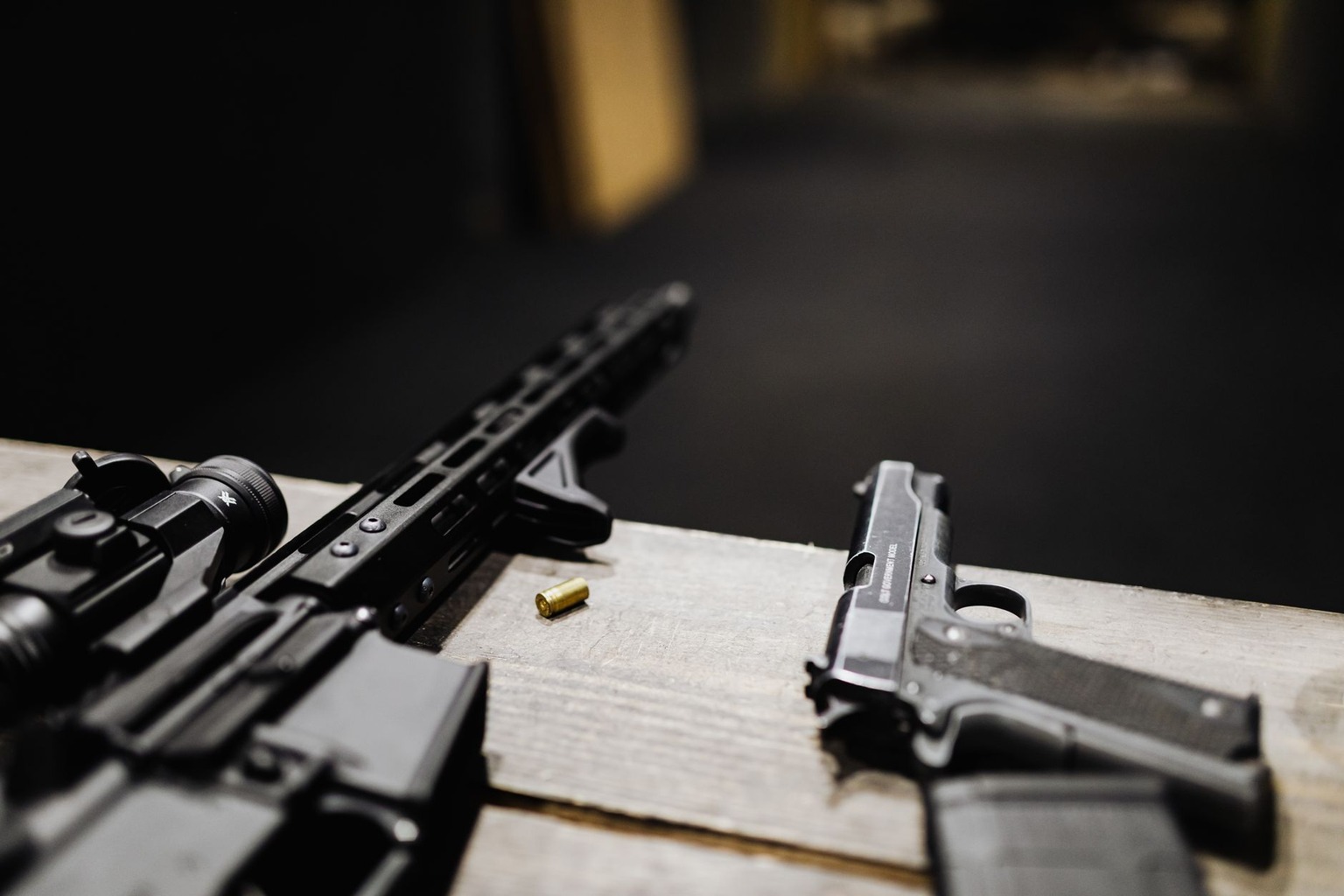
After installation, it’s essential to break in your new grip. Start by dry-firing the firearm with the new grip to ensure it doesn’t interfere with your trigger pull or sight alignment. If the grip feels too thick or too thin, you may need to adjust it by sanding or filing it slightly. For example, if the grip is too thick, you can use fine-grit sandpaper to reduce its profile, while a grip that’s too thin can be reinforced with grip tape or a grip sleeve. Once you’re satisfied with the fit, practice shooting with the new grip in various positions to ensure it performs as expected. If you notice any issues, like the grip shifting during recoil, it’s a sign that it wasn’t installed correctly, and you may need to reapply it or seek professional help. Remember, a properly installed grip should feel secure and comfortable, allowing you to focus on your shooting rather than the gun itself.
Advanced Tips for Maximizing Grip Performance
For shooters who take their precision seriously, there are advanced techniques to further optimize grip performance. One of the most effective is using grip tape or grip sleeves to enhance traction and reduce fatigue. Grip tape, like the 3M Scotchcal or the Magpul Grip Tape, can be applied to the existing grip to improve texture and reduce slippage, while grip sleeves, like those from LOK, provide a customizable surface that can be shaped to fit your hand perfectly. Another advanced technique is using a grip that incorporates recoil pads, like those on the Magpul MOE, which absorb some of the recoil energy and reduce muzzle flip. These pads are especially useful for shooters who fire high-recoil firearms like the Glock 19 or the Smith & Wesson M&P Shield. For shooters who rotate between multiple firearms, like those using a 1911 for competition and a revolver for plinking, a modular grip system, such as the ones compatible with the Ruger SRP, lets you swap out grips based on the task at hand. This adaptability ensures you’re always optimized for the specific recoil characteristics of the gun you’re holding.
Another advanced tip is to consider the material of your grip. While rubberized grips like those on the Zeus Hades provide excellent traction, they can wear out quickly under heavy use. Polymer grips, like those on the Magpul MS3, offer a balance of durability and comfort but may not provide as much grip in wet conditions. For shooters who shoot in extreme conditions, like those using a firearm for hunting in cold weather, a textured polymer grip with a rubberized coating may be the best choice. Additionally, some shooters opt for grips made from materials like carbon fiber or Kevlar, which are lightweight and durable but may not provide as much grip as traditional rubber or polymer. The key is to choose a grip that meets your specific needs, whether that’s maximum traction, durability, or comfort. By experimenting with different materials and textures, you can find the perfect grip for your shooting style and environment.

I’ve been drawn to the world of firearms and edged weapons ever since I first visited a local shooting range as a teen. I love exploring the history, technology, and responsible use of these tools, and I enjoy sharing insights with fellow enthusiasts.