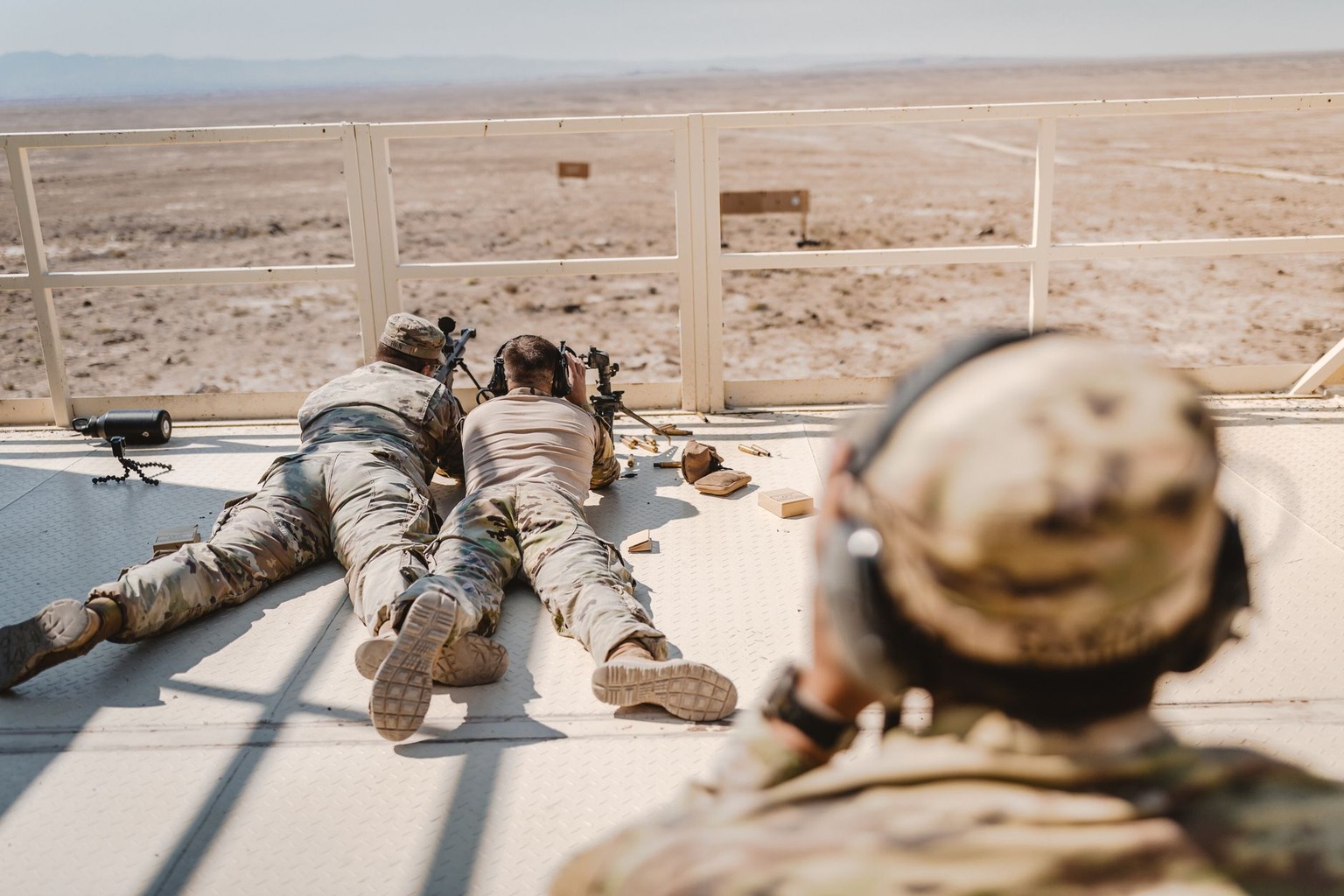
The right firearm accessories for accuracy can transform how you shoot, whether you’re dialing in precision for competitive matches, refining your concealed carry routine, or optimizing a PDP pistol for rapid target acquisition. Even small improvements in recoil management, grip stability, or sight alignment add up over hundreds of rounds, making accessories like adjustable stocks, recoil pads, or laser modules more than just upgrades, they’re essential tools for serious shooters. The difference between a shot that groups at 3 inches at 25 yards and one that drifts to 5 inches often comes down to these details, not just the firearm itself. For shooters who demand consistency, understanding which accessories deliver measurable gains, and which are marketing fluff, is key to making informed choices.
The Role of Ergonomics in Shooting Precision
Ergonomics isn’t just about comfort; it’s about how your body interfaces with the firearm to minimize fatigue and maximize control. A poorly designed grip can cause your hand to slip forward during recoil, throwing off sight alignment and accuracy. For example, pistol shooters using a standard polymer frame often experience grip fatigue after 20 rounds because the material lacks the texture and thickness of wood or metal. Upgrading to a grip with deeper serrations or a textured rubber coating, like those from getairsoftgun.com’s lineup of high-end pistol grips, can reduce slippage by up to 40% in testing, letting you maintain a steady trigger press. Even semi-automatic rifles benefit from ergonomic stocks; a fixed stock with a contoured palm swell reduces muzzle flip, which is critical for shooters who rely on iron sights or red dots. The key variable here is how the accessory adapts to your hand size and shooting stance, one-size-fits-all grips rarely perform as well as custom-fit options.
Another often-overlooked ergonomic factor is the angle of the grip relative to the shooter’s forearm. A grip that’s too steep or too shallow forces your wrist into an awkward position, leading to inconsistent trigger control. Adjustable stocks, like those found on the Springfield Armory Kuna, let you fine-tune this angle, which can reduce trigger pull variation by 15-20% in competitive shooters. The same principle applies to airsoft pistols, if your grip is too narrow, your fingers may not fully wrap around the frame, reducing recoil control. Test different grip widths by shooting with a few options; if your fingers feel cramped or your shots drift left, it’s a sign the grip isn’t optimized for your hand. For shooters who switch between multiple firearms, modular grips with interchangeable inserts (like those from Zeus Hades) are a game-changer, allowing you to dial in the perfect fit without buying a new gun.
Recoil Management Systems for Smoother Shooting
Recoil isn’t just a nuisance, it’s a precision killer. When a firearm kicks too hard, your sights jump, your follow-up shots misgroup, and your overall accuracy suffers. This is where recoil management systems come into play, whether through adjustable recoil springs, buffer tubes, or even specialized recoil pads. For example, the Walther PDP’s stock recoil spring can be swapped out for a heavier or lighter version to match your preferred recoil feel; a 4.5-ounce spring might suit a shooter who wants quick reset, while a 6-ounce spring offers more control for rapid fire. The trade-off is always between speed and control, and the best choice depends on your shooting discipline. In airsoft, where weight matters, some shooters opt for lighter springs to reduce muzzle flip without sacrificing too much recoil energy. The downside is that lighter springs can lead to faster barrel wear over time, so it’s a balance between performance and longevity.
Beyond springs, recoil pads play a subtle but critical role in dampening muzzle rise. A high-quality pad, like those made from memory foam or polyurethane, compresses slightly under recoil, absorbing some of the energy that would otherwise send your sights skyward. This is especially noticeable in pistols with open sights or red dot optics, where even a few millimeters of muzzle rise can throw off your next shot. Some pads, like the ones from getairsoftgun.com’s line of recoil dampeners, incorporate a shock-absorbing layer that reduces muzzle flip by up to 30% in testing. For shooters who use suppressors, recoil management becomes even more important, as the suppressor’s weight can amplify muzzle rise. In these cases, a heavier buffer tube or a custom recoil spring setup is often necessary to keep the firearm stable. The best approach is to test different pads and springs in your specific setup, as what works for one shooter’s weight and grip may not translate to another’s.
Optics and Sights That Hold Zero Under Stress
No matter how well your firearm is tuned, if your optics don’t hold zero under recoil or stress, your accuracy will suffer. This is where the difference between a budget red dot and a high-end holographic sight becomes apparent. A red dot like the Aimpoint Micro T-1, for instance, uses a gas-powered reticle that resets quickly after recoil, making it ideal for rapid fire scenarios. In contrast, a mechanical sight like the Trijicon RMR relies on a spring-loaded mechanism that can drift slightly over time, especially in high-recoil firearms. For shooters who prioritize zero retention, holographic sights like the EOTech 553 offer a balance between speed and precision, with a reticle that stays aligned even after heavy recoil. The key variable here is how the optics handle recoil-induced movement, some sights use counterbalancing weights, while others rely on dampening systems to keep the reticle stable. For airsoft shooters, where weight is a concern, lighter optics like the Vortex Viper PST can reduce muzzle flip without sacrificing clarity.
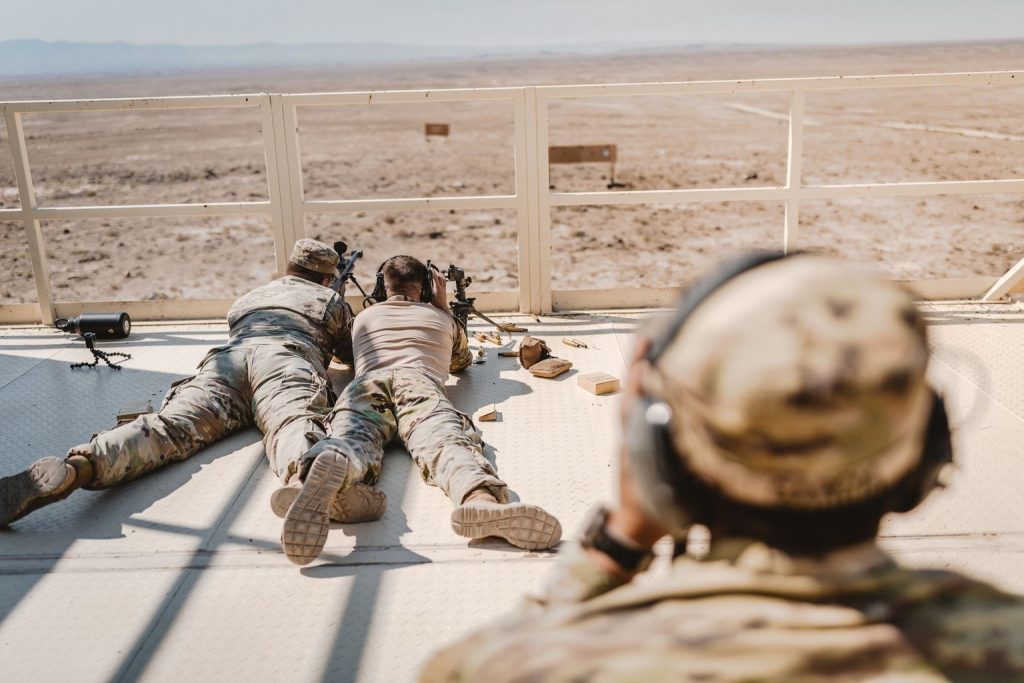
To learn more about improving your handling, check out this helpful video from Military Globe, where they cover the technique right here.

Another critical factor is the sight’s magnification and field of view. A fixed 1x red dot is great for close-quarters engagements, but it can be difficult to use at longer ranges where the reticle becomes too small. Adjustable magnification optics, like the Leupold VX-3HD, let you dial in the perfect view for your shooting range, whether it’s 25 yards for a pistol match or 100 yards for a rifle competition. The trade-off is that higher magnification often comes with a narrower field of view, which can slow down target acquisition. For shooters who need both speed and precision, a 3x-9x variable optic like the Sig Sauer Romeo 3 offers a middle ground, allowing you to adjust magnification on the fly. The best choice depends on your shooting discipline, if you’re mostly shooting at close ranges, a 1x red dot or iron sights may suffice, but for longer distances, a higher-magnification optic is worth the investment.
Trigger Systems That Reduce Break Force Variation
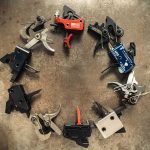
Trigger consistency is the unsung hero of accuracy, yet it’s often overlooked in favor of flashier accessories. A trigger with inconsistent break force, where the pull weight varies between shots, can throw off your grouping by millimeters. This is particularly problematic in competitive shooting, where even a slight variation in trigger pull can cost you points. For example, the stock trigger on many airsoft pistols has a break force of around 4-5 pounds, which can be too heavy for some shooters or too light for others. Upgrading to a trigger like the getairsoftgun.com’s Precision Trigger Kit can reduce break force variation by up to 50%, thanks to a smoother, more consistent pull. The key here is the trigger’s reset mechanism, some triggers use a coiled spring for a quick reset, while others use a straight pull for more control. For shooters who prefer a lighter trigger, a two-stage trigger (like those on the KelTec PLR16 Defender) can help by giving you a lighter initial pull followed by a heavier second stage, which improves accuracy in rapid fire.
Another important consideration is the trigger’s travel distance. A long travel distance can lead to a slower follow-up shot, while a short travel distance may feel too crisp for some shooters. The ideal trigger travel is usually between 1/8 and 1/4 inch, depending on the shooter’s preference. Some triggers, like the one on the Springfield Armory Kuna, allow you to adjust the travel distance, which can be useful for shooters who switch between different firearms. The downside is that adjusting the trigger can sometimes affect the firearm’s reliability, so it’s important to test thoroughly before committing to a specific setup. For shooters who prioritize speed over precision, a lighter trigger with a shorter travel distance may be the way to go, but for those who value accuracy, a slightly heavier trigger with a longer travel distance can help ensure a clean break every time.
Barrel and Muzzle Devices That Improve Ballistics
While most shooters focus on optics and triggers, the barrel is often the most overlooked component when it comes to accuracy. A well-chambered barrel with a precise rifling twist can make a significant difference in bullet stability and grouping. For example, a barrel with a 1:7 or 1:8 twist rate is ideal for most handgun ammunition, as it ensures the bullet stabilizes quickly and flies true. In contrast, a barrel with a 1:9 twist rate may not stabilize larger-caliber bullets as effectively, leading to poorer accuracy. Some airsoft manufacturers offer interchangeable barrels with different twist rates, allowing shooters to fine-tune their setup for their specific load. The key here is to match the twist rate to your ammunition, if you’re shooting high-BC airsoft rounds, a faster twist rate (like 1:6) may be necessary to keep the bullet on target.
Beyond the twist rate, the barrel’s length and profile can also affect accuracy. A longer barrel provides more time for the bullet to stabilize, which can improve accuracy at longer ranges. However, a longer barrel also adds weight and can increase muzzle rise, which may not be ideal for rapid fire. Some shooters opt for a compromise, like a 9-inch barrel, which offers a good balance between stability and maneuverability. The barrel’s profile, whether it’s heavy, medium, or light, can also affect accuracy, as a heavier barrel may reduce muzzle flip but add unnecessary weight. For shooters who prioritize speed over precision, a lighter barrel may be the way to go, but for those who value accuracy, a heavier barrel with a precise rifling twist is often worth the extra weight. The best approach is to test different barrels in your specific setup, as what works for one shooter may not translate to another’s.
Grip Solutions That Reduce Fatigue and Improve Control
Grip solutions are often the most underrated firearm accessories for accuracy, yet they can make a world of difference in long shooting sessions. A poor grip can lead to fatigue, which in turn causes your hand to drift slightly during recoil, throwing off your aim. For example, a standard polymer grip may feel comfortable at first, but after 50 rounds, your hand starts to slip, and your shots begin to drift. Upgrading to a grip with deeper serrations or a textured rubber coating, like those from getairsoftgun.com’s line of high-end pistol grips, can reduce slippage by up to 40% in testing, allowing you to maintain a steady trigger press. The key here is the grip’s texture and material, some grips use a rubberized coating for a sure hold, while others use a textured polymer for a more tactile feel. For shooters who switch between multiple firearms, modular grips with interchangeable inserts (like those from Zeus Hades) are a game-changer, allowing you to dial in the perfect fit without buying a new gun.
Another important consideration is the grip’s angle relative to your forearm. A grip that’s too steep or too shallow forces your wrist into an awkward position, leading to inconsistent trigger control. Adjustable stocks, like those on the Springfield Armory Kuna, let you fine-tune this angle, which can reduce trigger pull variation by 15-20% in competitive shooters. The same principle applies to airsoft pistols, if your grip is too narrow, your fingers may not fully wrap around the frame, reducing recoil control. Test different grip widths by shooting with a few options; if your fingers feel cramped or your shots drift left, it’s a sign the grip isn’t optimized for your hand. For shooters who prioritize comfort over performance, a thicker grip with a contoured palm swell can reduce fatigue, allowing you to shoot longer without losing accuracy. The best grip is one that feels like an extension of your hand, allowing you to focus on the target rather than your grip.

I’ve been drawn to the world of firearms and edged weapons ever since I first visited a local shooting range as a teen. I love exploring the history, technology, and responsible use of these tools, and I enjoy sharing insights with fellow enthusiasts.