What Is an Airsoft Gearbox?
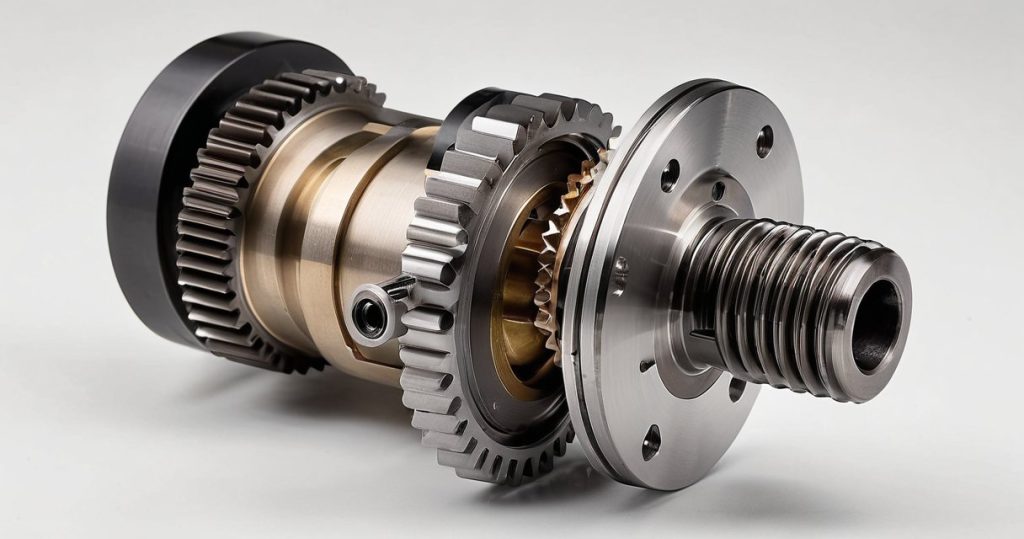
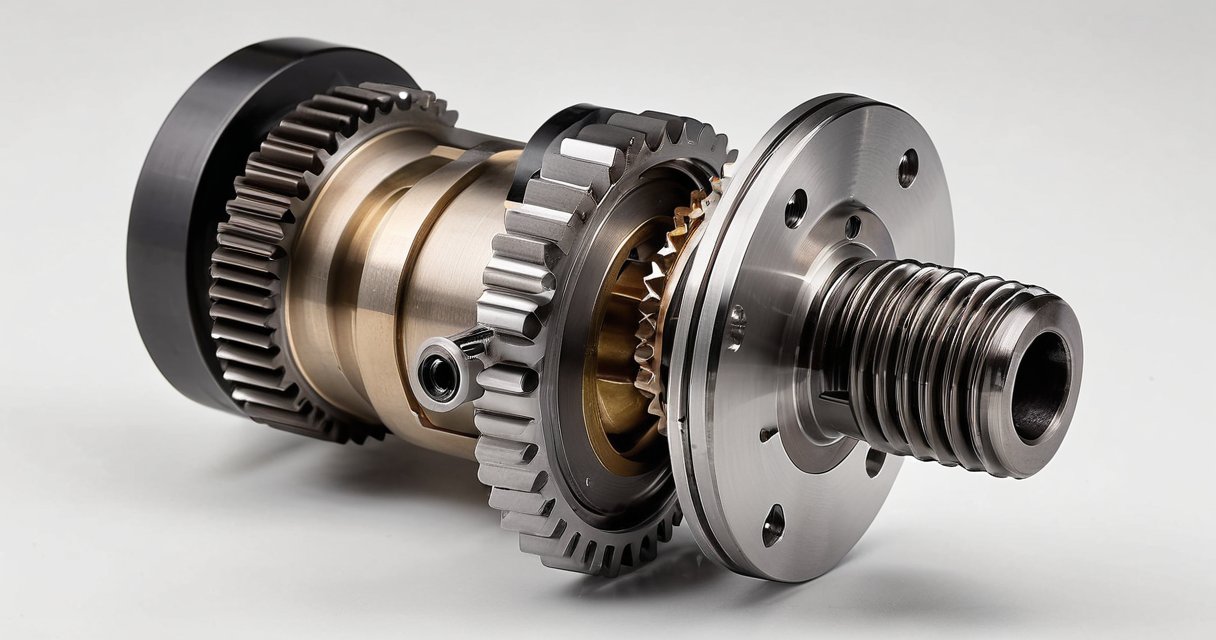
An airsoft gearbox serves as the core mechanism in electric-powered airsoft guns, encapsulating the essential airsoft internals that drive the entire firing process. This sophisticated device is what enables players to engage in realistic simulations of combat scenarios. By housing a series of interconnected parts, the airsoft gearbox transforms electrical energy into kinetic force, propelling plastic BBs down the barrel with impressive speed and accuracy.
In terms of its role in powering airsoft guns, the airsoft gearbox is indispensable. It coordinates the movement of gears and the piston to compress and release a powerful spring, generating the air pressure necessary for propulsion. Without this vital component, airsoft guns would lack the ability to fire repeatedly in quick succession. The design ensures consistent performance across various game environments, from indoor arenas to vast outdoor terrains.
Key internal components of the airsoft gearbox include the motor, which provides the initial power, along with bevel, spur, and sector gears that manage torque and speed. The piston, cylinder, spring, and nozzle form the air compression system, while additional elements like the tappet plate and cut-off lever regulate the feeding and firing cycles. These airsoft internals are engineered for durability, often requiring upgrades for enhanced capabilities.
Understanding gearbox basics is crucial for players seeking better performance and customization options. Knowledge of how the airsoft gearbox functions allows enthusiasts to select appropriate upgrades, such as high-speed gears for increased rate of fire or stronger springs for higher velocity. This insight facilitates personalized modifications that match individual play styles, improving overall effectiveness on the field. Moreover, it empowers users to perform maintenance and repairs, extending the lifespan of their equipment. Players who invest time in learning these concepts often find their airsoft experiences more rewarding and technically satisfying.
How an Airsoft Gearbox Works
The gearbox operation serves as the heart of airsoft mechanics in electric-powered replicas. When the trigger is pulled, an electrical circuit closes and delivers power to the motor, causing immediate motor engagement. The motor spins its pinion gear at high RPM, transferring rotational force into the gearbox assembly mounted inside the replica.
Gear rotation begins as the pinion meshes with the bevel gear. This first gear turns the spur gear, which then drives the sector gear. These coordinated gear functions reduce speed while increasing torque, allowing the system to pull back heavy components smoothly and repeatedly during sustained fire.
Piston movement occurs next. The sector gear’s teeth engage the piston rack, drawing the piston rearward and compressing the main spring against the gearbox frame. Once the sector gear completes its rotation and disengages, the stored energy launches the piston forward at high speed. Air trapped inside the cylinder is forced through the nozzle into the hop-up chamber.
This rapid air compression propels the BB from the magazine feed tube and down the barrel at gameplay velocities. The tappet plate, linked to the sector gear, retracts the nozzle long enough for a BB to enter before returning to create an airtight seal. The entire cycle repeats instantly with each trigger pull.
Proper understanding of gearbox operation, airsoft mechanics, and gear functions helps players diagnose issues and select upgrades such as reinforced pistons or high-torque motors. Correct shimming and lubrication keep the system running reliably across thousands of cycles without overheating or stripping.
Types of Airsoft Gearboxes
Understanding the main airsoft gearbox types helps players choose the right platform for their needs. Among the most popular options are the v2 gearbox and v3 gearbox, which dominate the market due to their reliability and widespread availability. These airsoft gearbox types differ in layout, motor placement, and overall construction, making each suitable for specific rifle styles.
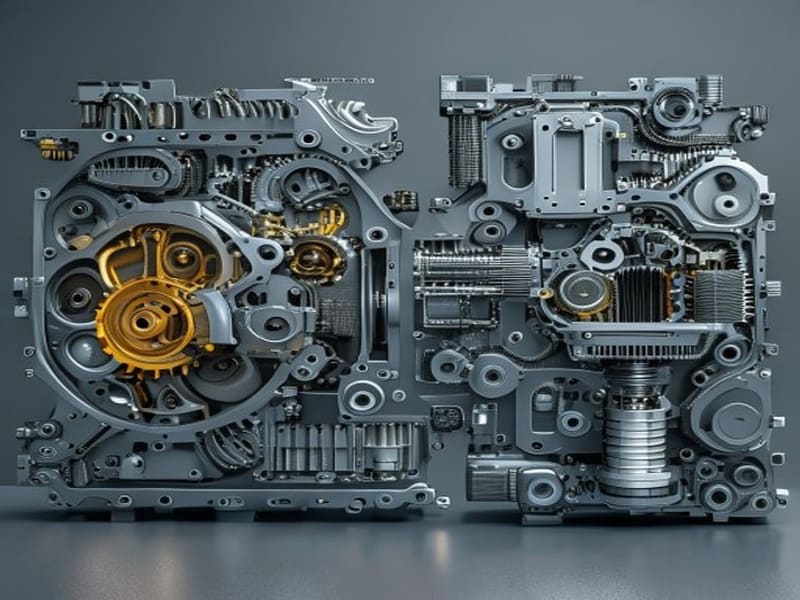
The v2 gearbox is the standard choice for M4 and AR-15 style airsoft guns. Its inline gear arrangement places the motor inside the pistol grip, allowing for a compact design that supports quick spring changes. This version offers excellent compatibility with a wide range of aftermarket parts, making it a favorite among both entry-level and experienced users who value easy upgrades.
In contrast, the v3 gearbox powers most AK-style replicas and some other Eastern European designs. It features a different gear configuration with the motor mounted at the rear, often inside the stock. This setup provides greater durability under heavy use but requires more space, limiting its fit in compact models. Builders appreciate the v3 gearbox for its robust construction in high-stress scenarios.
Key differences between these airsoft gearbox types include motor orientation, gear ratios, and spring access. The v2 gearbox typically allows faster field adjustments, while the v3 gearbox excels in long-term stability. Compatibility varies by gun model: v2 versions fit nearly all M4 variants, whereas v3 versions align best with AK platforms and certain G36 conversions.
Beginners often start with the v2 gearbox because of its parts ecosystem and straightforward maintenance. Advanced players may prefer the v3 gearbox for custom builds that demand higher torque or reinforced internals. Both airsoft gearbox types support a range of performance levels when properly tuned.
Selecting between the v2 gearbox and v3 gearbox ultimately depends on the intended rifle platform and playing style. Players should consider their experience level and preferred gun models to maximize compatibility and enjoyment on the field.
Maintaining Your Airsoft Gearbox
Regular gearbox maintenance is essential for keeping your airsoft rifle performing at its peak. Establishing a consistent cleaning schedule helps prevent dirt, debris, and residue from causing premature failures during gameplay. After every 10 to 15 skirmishes or at least once a month during heavy use, disassemble the gearbox, wipe down all internal components with a soft cloth and isopropyl alcohol, and inspect for any signs of damage before reassembly.
Proper lubrication methods form the backbone of effective lubrication tips that extend the life of your equipment. Apply high-quality gear grease sparingly to the teeth of the sector and spur gears, while using lightweight silicone oil on the cylinder and piston seals to reduce friction without attracting dust. Avoid over-lubricating, as excess grease can lead to sluggish performance and increased wear during rapid firing sequences.
Common wear points in airsoft gearboxes include the piston head, nozzle, and bevel gear bearings, which endure the most stress from repeated cycles. Check these areas during every maintenance session for cracks, stripped teeth, or scoring marks that indicate the need for replacement parts. Addressing these issues early through targeted airsoft repairs prevents minor problems from escalating into full gearbox failures.
Troubleshooting tips can save time and money when issues arise. If you notice grinding noises, inconsistent FPS readings, or feeding jams, first verify lubrication levels and clean any debris from the hop-up chamber. Replacing worn bushings or upgrading to reinforced components often resolves persistent problems and improves overall reliability.
By following these gearbox maintenance practices, you can significantly extend equipment lifespan while minimizing the frequency of airsoft repairs. Consistent attention to cleaning schedules and lubrication tips ensures smooth operation across countless games, protecting your investment and enhancing field performance.
Upgrading Airsoft Gearbox Components
Many airsoft players seek to improve their replicas through targeted modifications. Discussing popular upgrade options for airsoft gearboxes such as stronger gears, high-torque motors, and reinforced pistons helps enthusiasts make informed decisions. These changes come with installation considerations and notable performance benefits that elevate gameplay.
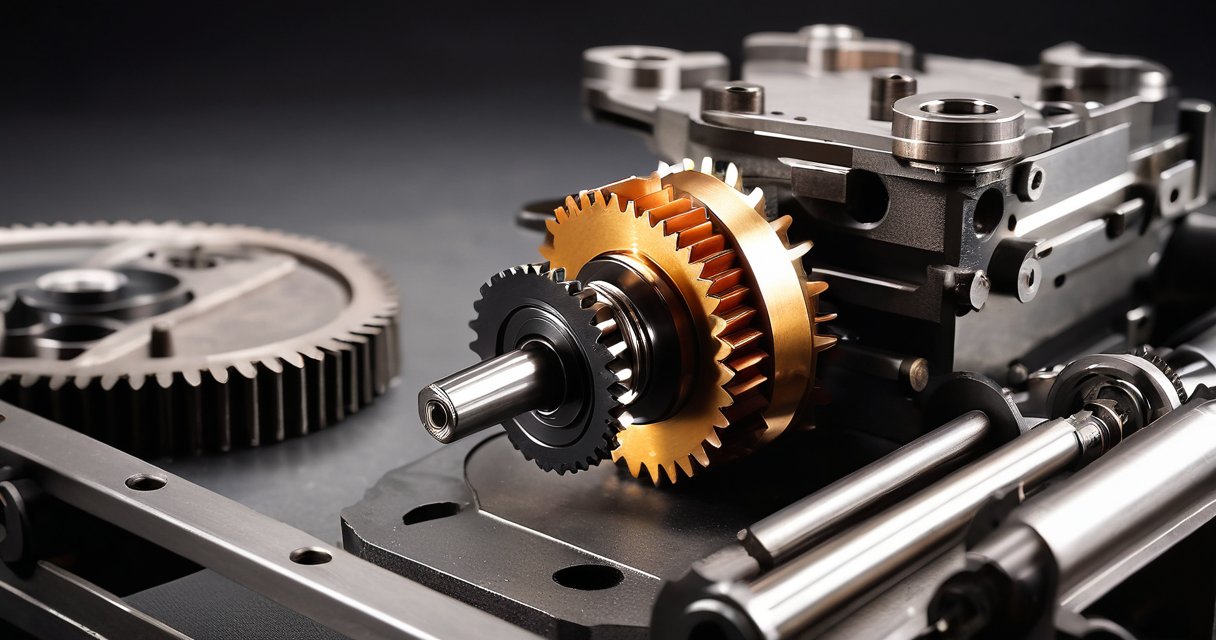
Stronger gears form a foundational element in gearbox upgrades. Crafted from reinforced steel or advanced alloys, they resist stripping and deformation under heavy loads from upgraded springs. This durability allows the gearbox to cycle reliably even during prolonged, high-intensity matches without premature failure.
High-torque motors deliver the rotational power needed for faster trigger response and elevated rates of fire. Featuring powerful magnets and precision windings, these high performance parts optimize energy transfer throughout the system, resulting in smoother operation and reduced strain on other components.
Reinforced pistons, often equipped with metal teeth or full racks, absorb the repeated impact from spring release more effectively than stock versions. They maintain proper alignment and minimize wear, contributing to consistent compression and longer service life for the entire gearbox assembly.
Installation considerations include verifying full compatibility with your specific gearbox model, bushings, and spring setup. Proper shimming and lubrication are essential to prevent binding or excess noise. Many users prefer professional installation for airsoft mods to ensure precise alignment and avoid costly damage from incorrect assembly.
The performance benefits of these upgrades are substantial, including higher muzzle velocity, improved reliability under stress, and the capacity to handle more aggressive configurations. By investing in quality gearbox upgrades and high performance parts, players achieve extended equipment lifespan and superior results on the field.

I’ve been drawn to the world of firearms and edged weapons ever since I first visited a local shooting range as a teen. I love exploring the history, technology, and responsible use of these tools, and I enjoy sharing insights with fellow enthusiasts.