Choosing a firearm for protecting the home is a decision that blends practical mechanics with personal comfort. The market offers a wide spectrum of options, from compact pistols to full-size rifles, each claiming superiority for close-quarters scenarios. Understanding how these platforms function in a domestic environment requires looking beyond marketing slogans and examining real-world factors like recoil management, capacity, and storage logistics. This comparison will dissect the primary candidates so you can align your choice with your specific living situation and skill level.
Caliber and Stopping Power Dimensions
Caliber is often the first metric buyers scrutinize, but diameter alone does not guarantee effectiveness. A smaller caliber placed accurately outperforms a larger one mishandled. For home defense, 9mm Luger remains a prevalent choice due to manageable recoil and ample ammunition availability. However.45 ACP offers a larger bullet profile, which some argue provides better terminal ballistics at close range. The .380 ACP serves as a viable option for those who prioritize firearm compactness over raw energy. When evaluating these options, consider not just the projectile size, but also your ability to shoot the platform accurately under stress. The best home defense firearm 2026 models will balance these ballistic characteristics with your personal proficiency.
Recoil impulse directly impacts follow-up shot speed. A heavy-recoiling caliber like 10mm can be daunting for smaller shooters, potentially compromising accuracy in a high-adrenaline encounter. Conversely, a .22 Long Rifle, while lacking stopping power, might be the only firearm a novice can shoot confidently. The key is finding a caliber where you can maintain tight shot groups rapidly. Testing different loads at a range provides the most reliable data on what your hand can consistently control. Remember, capacity often trumps caliber diameter if the smaller round allows for more rounds in the magazine.
Platform Type: Pistol Versus Shotgun Versus Rifle
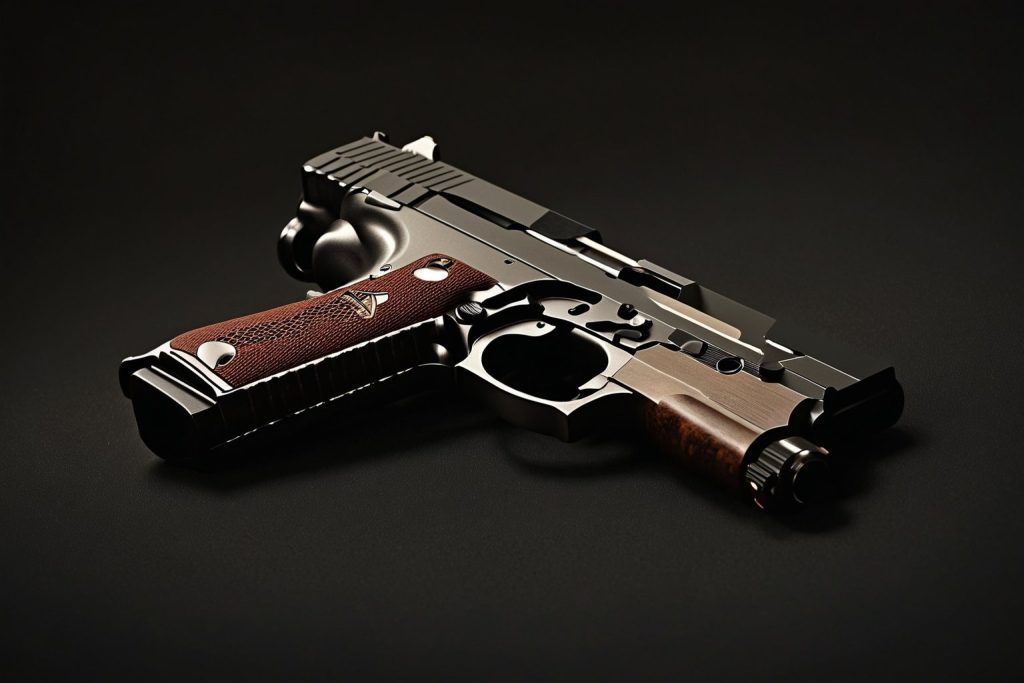
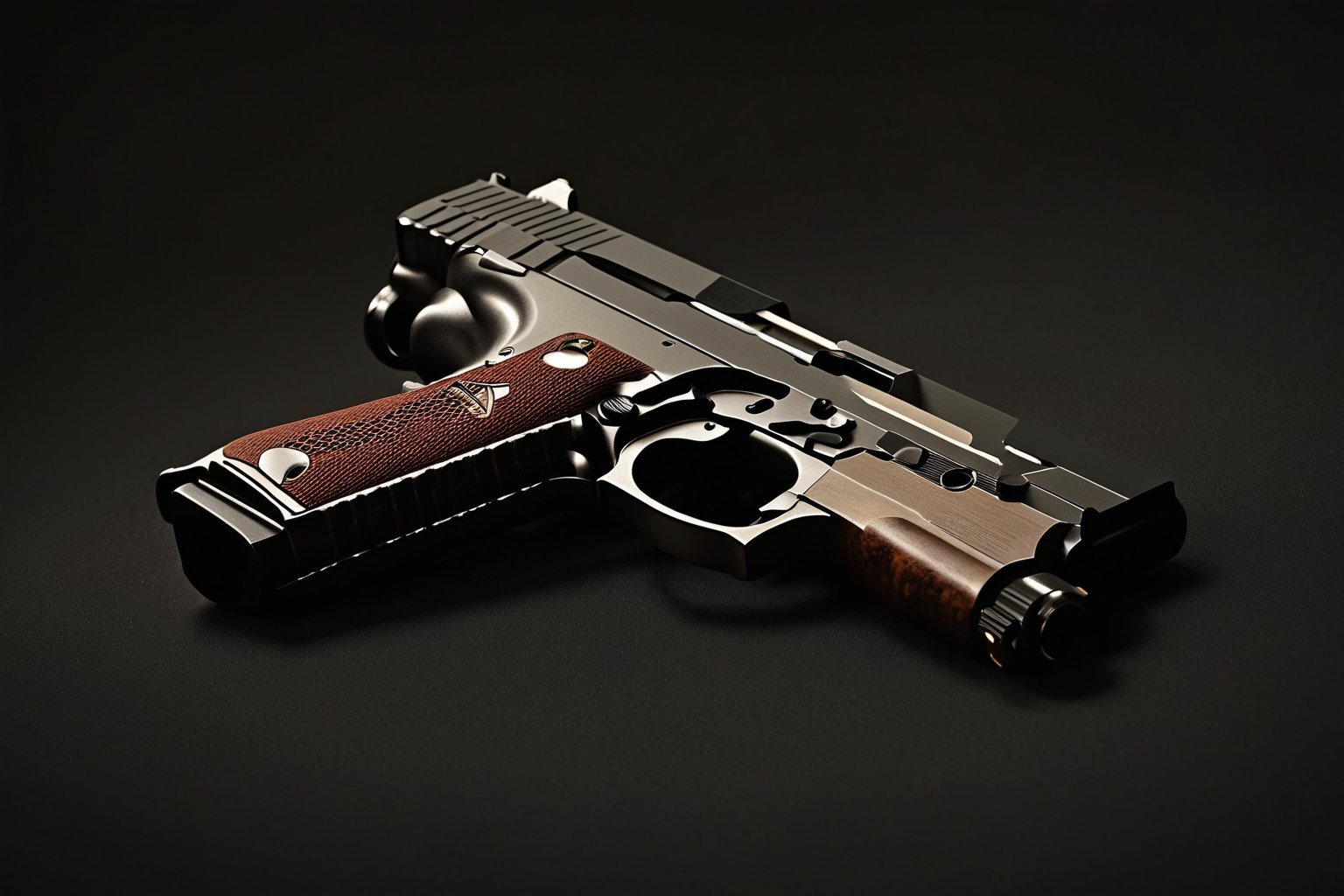
The choice between a handgun, a pump-action shotgun, and a modern sporting rifle often hinges on the layout of your home. Pistols offer unparalleled maneuverability in tight hallways and bedrooms, making them ideal for apartments or rooms with limited space. Their compact size allows for one-handed operation if necessary, though accuracy typically suffers compared to longer barrels. A quality pistol light is essential for target identification in low-light conditions, turning a handheld weapon into a viable defensive tool. Many owners favor pistols because they can be kept close at hand, literally under a pillow or in a nightstand.
Shotguns, particularly 12-gauge pump-actions, are frequently cited for their psychological deterrent sound and wide shot pattern. The spread of shot increases the probability of hitting a target even if aim is slightly off, which is advantageous for less experienced users. However, over-penetration is a concern; shotgun pellets can travel through walls, posing risks to family members in other rooms. Additionally, the manual action of a pump shotgun requires practice to cycle reliably under stress. For homes with multiple occupants or thin walls, the projectile characteristics of a shotgun warrant careful consideration before purchase.
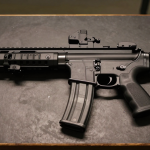
Modern sporting rifles, such as AR-15 platform chambered in 5.56mm, offer high capacity and low recoil, allowing for rapid target engagement. The rifle’s longer sight radius aids precision, and accessories like folding stocks can reduce overall length for home storage. Critics often point to over-penetration risks, as rifle rounds can travel significant distances through building materials. Nevertheless, the ability to mount lights and optics makes these platforms highly customizable for domestic use. Ultimately, the platform choice should reflect how you plan to store and access the weapon, balancing ease of use against potential legal and safety implications.
Capacity and Reload Mechanics
Magazine capacity is a practical consideration that often dictates how long you can engage a threat before needing to manipulate the weapon. Standard pistol magazines typically hold between 10 and 17 rounds, while shotguns usually carry 4 to 7 rounds in the tube, plus one in the chamber. Rifles can exceed 30 rounds, providing a substantial buffer against multiple threats. In a home defense scenario, the adrenaline dump can impair fine motor skills, making complex reloads difficult. Therefore, a platform that allows for quick, intuitive reloading is paramount. Practice drills focusing on speed reloads and malfunction clearing should be part of any homeowner’s routine.
The type of action also influences reloading speed. Semi-automatic pistols and rifles allow the shooter to retain the empty magazine and insert a fresh one rapidly. Pump-action shotguns require the user to slide the forend back and forth, which can be slower under duress. Some semi-automatic shotguns exist, but they often carry a higher price tag and added complexity. If you choose a revolver, capacity is fixed at 5 or 6 rounds, and reloading speed depends on speed loaders or moon clips. Your physical dexterity and comfort with the specific action type will determine how effectively you can restore firepower during an emergency.
Home Layout and Storage Solutions
Your home’s architecture plays a silent but critical role in firearm selection. A multi-story house might necessitate a different strategy than a single-level bungalow. Stairwells can be funnel points, influencing whether a long gun or a compact pistol is more practical. Furthermore, the location of your bedroom relative to potential entry points dictates how quickly you can access your weapon. Consider the distance you must traverse in the dark; a firearm that is locked away but inaccessible is useless. The goal is to balance security, keeping the weapon away from children or unauthorized users, with rapid accessibility for the homeowner.
Storage solutions range from biometric safes to lock boxes and hidden shelves. Biometric safes offer the fastest access, often unlocking in under a second with a fingerprint scan, which is crucial for nighttime defense. However, they rely on battery power and can malfunction if the sensor is dirty. Traditional keyed or combination locks provide reliability without power dependency but add seconds to access time. Some owners opt for quick-access lockers that sit on the nightstand, allowing a hand to close around the grip instantly. Whichever method you choose, consistency is key; everyone in the household should know the storage location and operation method.
Legal and Ethical Frameworks
Before purchasing any firearm, a thorough understanding of local laws is non-negotiable. Regulations regarding magazine capacity, “assault weapon” features, and storage requirements vary significantly by jurisdiction. Some states mandate specific locking devices or prohibit certain calibers for home use. Ignorance of the law is not a defense, and a legal battle can ensue even if the shooting was justified. Consulting with a local firearms attorney or a knowledgeable dealer can prevent costly mistakes. Additionally, consider the ethical weight of using lethal force; the decision to arm yourself carries profound responsibility and potential legal aftermath.

Beyond the legal statutes, personal ethics regarding self-defense should guide your choice. Some individuals feel a moral conflict with owning high-capacity rifles or weapons designed for military use in a residential setting. Others prioritize the ability to stop a threat swiftly, favoring platforms with maximum stopping power. Aligning your purchase with your personal code of conduct ensures that you can own the tool without psychological burden. This introspection is as important as any technical specification when selecting the right device for your circumstances.
Training and Familiarity Factors
No matter how “perfect” a firearm appears on paper, its effectiveness is nullified if the owner cannot operate it proficiently. Dry-fire practice at home, using snap caps to avoid damaging the firing pin, is an inexpensive way to build muscle memory. Live-fire range time should focus on the specific scenarios you might face, such as shooting from a compromised position or moving through a doorway. Enrolling in a defensive handgun or carbine course provides professional feedback on stance, grip, and trigger control. The best home defense firearm 2026 selection is meaningless without the skills to deploy it under stress.
Familiarity also extends to the chosen caliber and platform combination. A shooter who recoils flinchingly from a .44 Magnum revolver will not hit their target accurately, regardless of the caliber’s reputation. Conversely, a marksman comfortable with a 1911 platform may find a polymer-striker fired pistol alien and difficult to master quickly. Invest time in handling various weapons before committing to a purchase. Renting at a range or attending gun shows allows you to gauge ergonomics and control placement. Ultimately, the firearm you shoot best and most consistently is the one that belongs in your home defense arsenal.

I’ve been drawn to the world of firearms and edged weapons ever since I first visited a local shooting range as a teen. I love exploring the history, technology, and responsible use of these tools, and I enjoy sharing insights with fellow enthusiasts.