Airsoft guns are more than just replicas—they are precision tools that can be fine-tuned to match the demands of competitive play, tactical training, or even professional-grade simulations. Whether you’re a seasoned operator or a newcomer looking to elevate your performance, understanding the fundamentals of airsoft gun upgrades is essential. These modifications can transform a stock weapon into a high-performance system, improving accuracy, reliability, and overall handling. In this comprehensive guide, we’ll explore the most impactful upgrades available, their benefits, and how to implement them effectively within the legal and operational framework of airsoft firearms.
Understanding the Core Components of Airsoft Gun Performance
Before diving into specific upgrades, it’s crucial to grasp the key components that influence an airsoft gun’s performance. These include the gearbox, barrel, hop-up system, motor, and power source. Each of these elements plays a distinct role in determining the weapon’s efficiency, range, and consistency. For instance, the gearbox houses the internal mechanisms responsible for cycling the piston and propelling the BB, while the barrel and hop-up unit work in tandem to stabilize the projectile’s flight path. A well-balanced upgrade strategy should address these components holistically, ensuring that improvements in one area don’t create bottlenecks in another.
Stock airsoft guns are often designed with cost and mass production in mind, meaning they may lack the precision engineering required for high-level performance. Upgrades allow users to replace generic parts with high-quality alternatives, such as reinforced gears, precision barrels, and adjustable hop-up units. However, not all upgrades are created equal—some may offer marginal gains, while others can drastically alter the weapon’s behavior. Understanding the interplay between these components is the first step toward making informed decisions about modifications.
Internal Gearbox Upgrades: Enhancing Durability and Efficiency
The gearbox is the heart of any airsoft gun, and upgrading its internal components can yield significant improvements in reliability and performance. One of the most common upgrades is replacing the stock gears with high-strength steel or titanium alternatives. These materials are far more resistant to wear and tear, especially under high-stress conditions such as rapid semi-automatic fire or sustained full-auto bursts. Additionally, upgrading the piston and piston head can reduce energy loss during compression, leading to more consistent FPS (feet per second) output and improved shot-to-shot accuracy.
Another critical aspect of gearbox upgrades is the sector gear and its interaction with the tappet plate. A reinforced sector gear can prevent premature failure, while a polished or upgraded tappet plate ensures smoother feeding and reduces the risk of jams. For those seeking even greater performance, installing a high-torque or high-speed motor can optimize the gearbox’s cycling rate, allowing for faster trigger response and higher rates of fire. However, it’s important to note that motor upgrades should be paired with compatible gears and a robust power source to avoid overheating or excessive wear.
Finally, lubrication and shimming are often overlooked but essential aspects of gearbox maintenance. Proper shimming ensures that gears mesh correctly, reducing friction and noise, while high-quality lubricants can extend the lifespan of moving parts. Neglecting these details can lead to premature failure, even with the best aftermarket components.
Precision Barrel and Hop-Up System Upgrades
Accuracy in airsoft is heavily influenced by the barrel and hop-up system, which together determine the trajectory and stability of the BB in flight. Stock barrels are typically made from brass or aluminum and may have minor imperfections that affect performance. Upgrading to a precision inner barrel—often crafted from stainless steel or high-grade aluminum—can significantly reduce deviations in BB flight. These barrels are honed to tighter tolerances, ensuring a straighter path and minimizing the effects of wind or environmental factors.

The hop-up unit is equally important, as it applies backspin to the BB, counteracting gravity and extending effective range. Stock hop-up units are often basic and lack adjustability, leading to inconsistent performance. Aftermarket hop-up units, such as those with adjustable buckings or tensioners, allow for finer control over the amount of backspin applied. Some advanced models even feature quick-adjust dials, enabling on-the-fly tuning during gameplay. Pairing a precision barrel with a high-quality hop-up unit can result in tighter groupings and improved long-range accuracy.
For those looking to push the limits of their airsoft gun’s performance, consider upgrading to a tightbore barrel with a diameter of 6.01mm or 6.03mm. These barrels offer a snug fit for the BB, reducing air leakage and improving consistency. However, they require high-quality BBs to avoid jamming or excessive wear. Additionally, some users opt for barrel stabilizers or suppressors to further enhance accuracy by reducing muzzle wobble.
Motor and Power Source Enhancements
The motor is the driving force behind an airsoft gun’s firing mechanism, and upgrading it can have a profound impact on trigger response and rate of fire. Stock motors are often designed for general use and may struggle under the demands of high-performance setups. High-torque motors, for example, provide greater rotational force, allowing the gearbox to cycle more efficiently, especially when paired with heavy springs or high-FPS setups. Conversely, high-speed motors prioritize RPM (revolutions per minute), enabling faster trigger response and higher rates of fire, which are ideal for close-quarters combat scenarios.
However, motor upgrades must be carefully matched with the weapon’s power source. Most airsoft guns rely on rechargeable batteries, such as NiMH or LiPo packs, to supply the necessary voltage and current. Upgrading to a higher-voltage battery can increase the motor’s performance, but it also places greater stress on the gearbox and other internal components. For this reason, it’s essential to ensure that the gearbox is reinforced to handle the additional strain. Additionally, using a battery with a higher capacity (measured in mAh) can extend playtime between charges, reducing downtime during extended engagements.
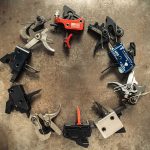
For advanced users, programmable electronic triggers (ETUs) or MOSFETs can further optimize motor performance. These devices allow for precise control over the firing cycle, enabling features such as pre-cocking, burst fire, or even adjustable trigger sensitivity. MOSFETs also protect the gun’s electrical system from voltage spikes, prolonging the lifespan of the motor and other components. When combined with a high-performance motor and battery, these upgrades can transform an airsoft gun into a highly responsive and reliable platform.
External Upgrades: Ergonomics and Tactical Enhancements
While internal upgrades focus on performance, external modifications can significantly improve an airsoft gun’s handling, comfort, and tactical versatility. One of the most impactful external upgrades is the stock, which can be replaced with an adjustable or collapsible model to better fit the user’s body type and shooting style. A well-fitted stock reduces fatigue during prolonged use and improves stability, especially when aiming down sights or engaging targets at range.
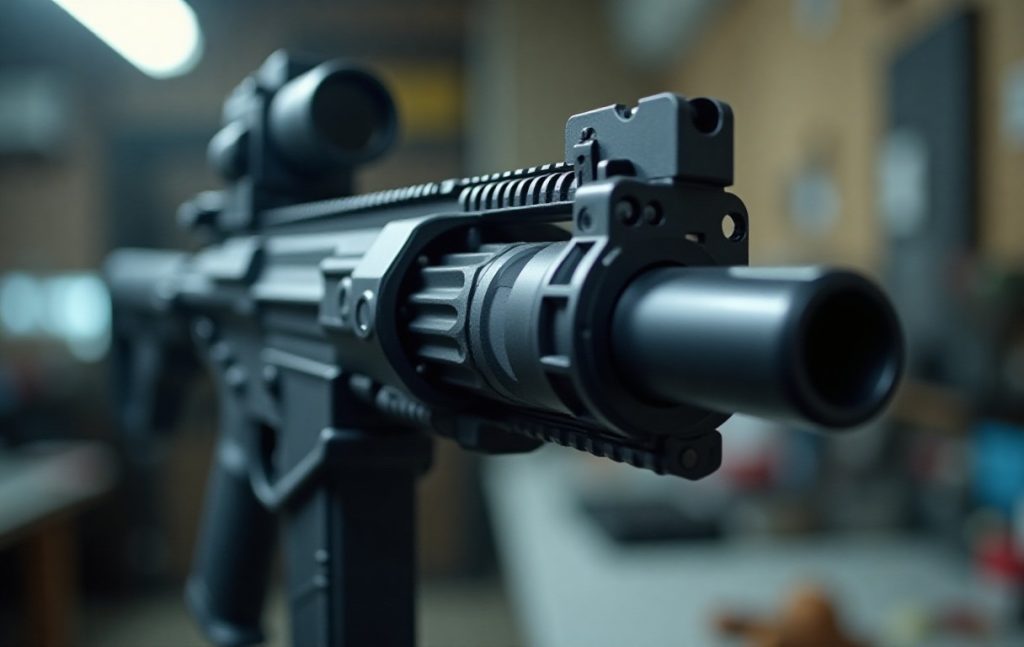
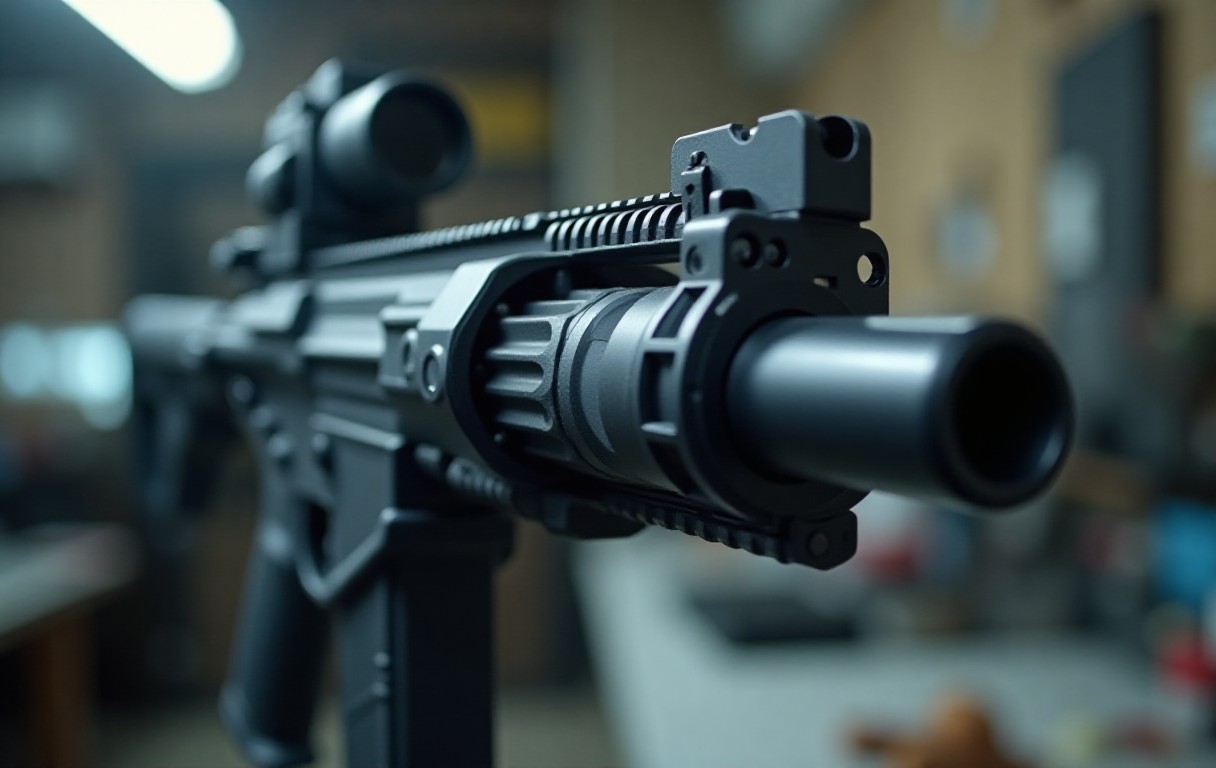
Another critical area for external upgrades is the handguard and rail system. Aftermarket handguards often feature M-LOK or Picatinny rails, allowing for the attachment of accessories such as foregrips, lasers, or flashlights. These additions can enhance the weapon’s functionality in low-light conditions or provide better control during rapid fire. Additionally, upgrading the pistol grip to an ergonomic model can improve comfort and reduce hand fatigue, particularly during extended gameplay sessions.
For those who prioritize realism and aesthetics, external upgrades can also include custom paint jobs, cerakote finishes, or even replica parts from real firearms. While these modifications don’t directly impact performance, they can enhance the user’s connection to their weapon and improve overall satisfaction. However, it’s important to ensure that any external upgrades comply with local laws and regulations, particularly in regions with strict airsoft gun restrictions.
Legal and Safety Considerations for Airsoft Gun Upgrades
Before embarking on any upgrade project, it’s essential to understand the legal and safety implications of modifying an airsoft gun. In many jurisdictions, airsoft guns are subject to regulations regarding their appearance, power output, and functionality. For example, some regions restrict the maximum FPS or require orange tips to distinguish airsoft guns from real firearms. Upgrades that increase the weapon’s power or alter its external appearance may violate these laws, leading to legal consequences or confiscation.
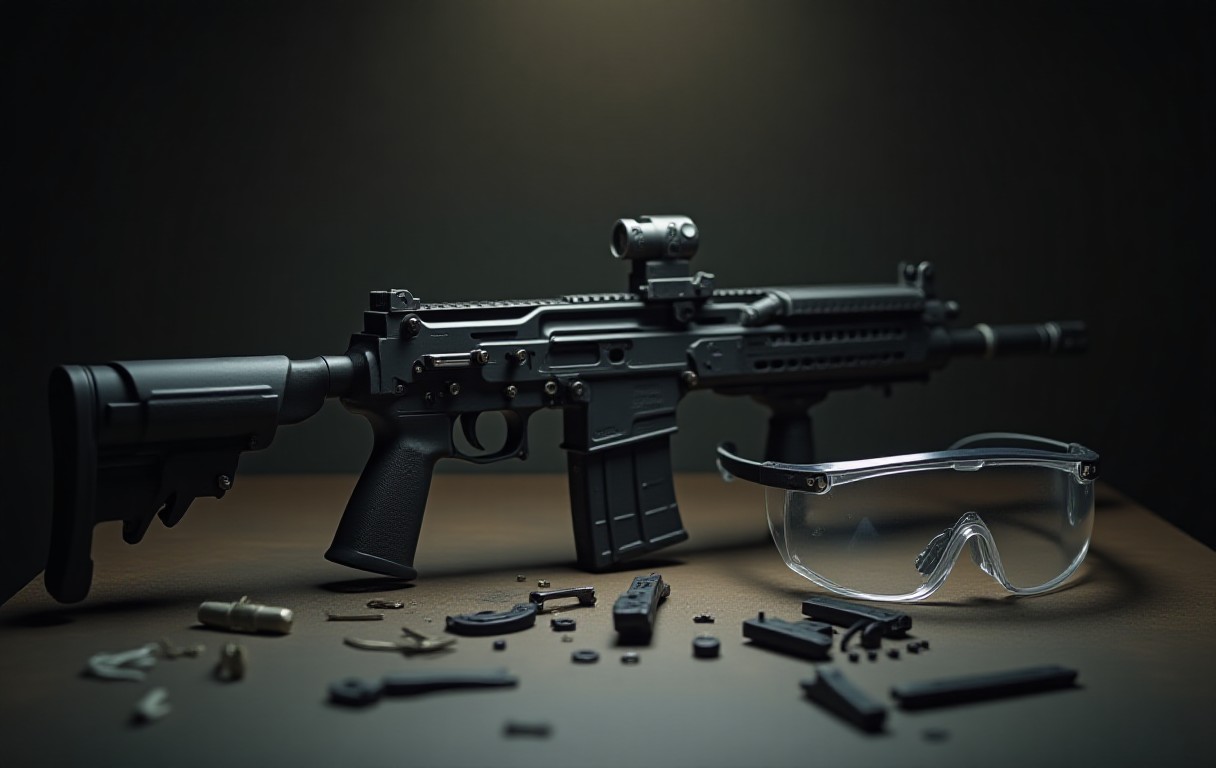
Safety is another critical consideration, particularly when dealing with high-performance setups. Upgrading internal components, such as the spring or motor, can significantly increase the weapon’s power output, which may exceed safe limits for certain play environments. Always consult the rules of your local airsoft field or event before implementing upgrades, and ensure that your modifications comply with their guidelines. Additionally, using high-quality BBs and maintaining proper lubrication can prevent malfunctions that could result in injury or damage to the gun.
Finally, it’s worth noting that some upgrades may void the manufacturer’s warranty or require professional installation. If you’re unsure about your ability to perform modifications safely, consider consulting a professional airsoft technician. Many airsoft retailers and repair shops offer upgrade services, ensuring that your weapon is modified correctly and safely. By prioritizing legality and safety, you can enjoy the benefits of airsoft gun upgrades without compromising your well-being or legal standing.
Choosing the Right Upgrades for Your Playstyle
Not all airsoft gun upgrades are universally beneficial—what works for a sniper may not suit a close-quarters combat (CQB) specialist, and vice versa. The key to selecting the right upgrades lies in understanding your playstyle and the specific demands of your role on the field. For example, a sniper rifle benefits most from precision barrel and hop-up upgrades, as well as a high-torque motor to ensure consistent performance at long range. In contrast, a CQB weapon prioritizes rate of fire and maneuverability, making high-speed motors and ergonomic external upgrades more valuable.
Another factor to consider is the environment in which you’ll be using your airsoft gun. Outdoor fields with long sightlines favor upgrades that enhance range and accuracy, while indoor arenas or CQB environments require quick-handling setups with minimal recoil. Additionally, the type of game you play—whether it’s milsim (military simulation), speedsoft, or casual skirmishes—can influence your upgrade choices. Milsim players may prioritize realism and durability, while speedsoft enthusiasts often focus on lightweight components and rapid-fire capabilities.
Ultimately, the best upgrade strategy is one that aligns with your goals and budget. Start by identifying the weaknesses of your stock airsoft gun and prioritize upgrades that address those issues. For example, if your weapon struggles with accuracy, focus on barrel and hop-up upgrades before moving on to motor or gearbox enhancements. By taking a methodical approach, you can maximize the performance gains from each modification and create a weapon that truly suits your needs.

I’ve been drawn to the world of firearms and edged weapons ever since I first visited a local shooting range as a teen. I love exploring the history, technology, and responsible use of these tools, and I enjoy sharing insights with fellow enthusiasts.