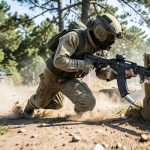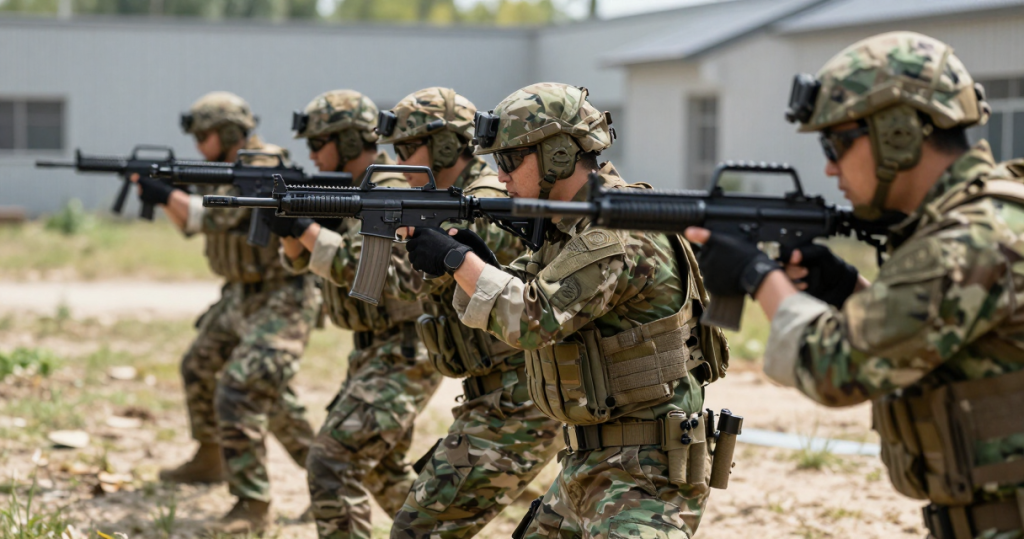
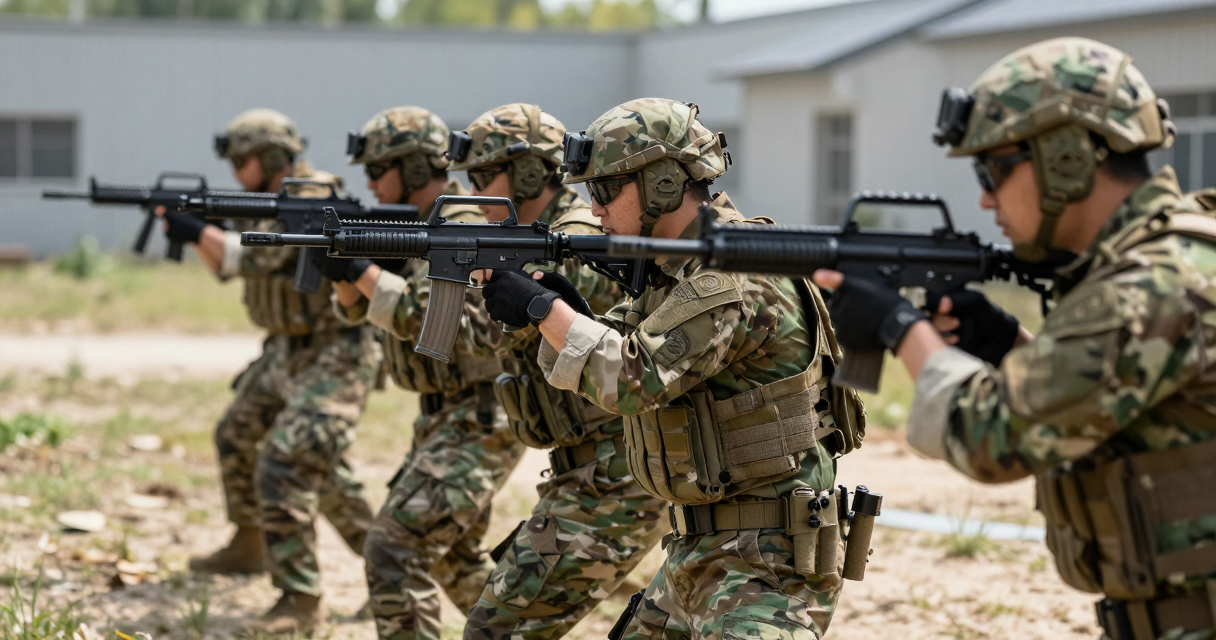
The use of airsoft guns in military training has evolved significantly over the years, providing a safe and effective method for soldiers to develop their skills in a controlled environment. While traditional firearms training poses risks, airsoft offers a less dangerous alternative that allows for realistic simulations without the associated dangers of live ammunition. This article explores the history of military training with airsoft, tracing its development from recreational use to its adoption in serious military applications.
Origins of Airsoft and Its Recreational Use
Airsoft originated in Japan during the late 1970s as a response to stringent firearm regulations. Early airsoft guns were designed to replicate real firearms while shooting plastic pellets, allowing enthusiasts to engage in simulated combat scenarios without the legal complications of owning real guns. As airsoft gained popularity, it evolved into a competitive sport, with players participating in organized skirmishes and tactical games. This recreational aspect laid the groundwork for the eventual incorporation of airsoft into military training programs.
By the mid-1980s, airsoft had spread beyond Japan, reaching Europe and North America. Its appeal as a safe alternative to paintball and traditional shooting sports attracted a diverse following. As the technology behind airsoft guns advanced, with improved accuracy and realism, military organizations began to take notice of the potential benefits of using airsoft for training purposes. The ability to simulate combat environments without the risks associated with live ammunition made airsoft an attractive option for military exercises.
Early Adoption in Military Training
The first significant military applications of airsoft began in the 1990s, particularly among special forces units. These elite groups recognized the need for realistic training scenarios that could be conducted safely indoors or in urban environments. Airsoft provided a versatile training tool that could replicate the dynamics of real combat without the inherent risks of live-fire exercises. Special forces units started using airsoft for tactics training, target acquisition, and team coordination exercises.
One of the key advantages of airsoft is its cost-effectiveness compared to live ammunition. Training with real firearms can be prohibitively expensive, especially when factoring in the costs of ammunition, range fees, and safety measures. Airsoft guns, on the other hand, offer a more affordable solution, allowing military units to conduct more extensive training sessions without breaking the budget. This economic benefit has contributed to the widespread adoption of airsoft in military training environments.
Integration into Standard Military Training Programs
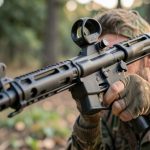
As the effectiveness of airsoft training became apparent, more military organizations began integrating it into their standard training regimens. In the early 2000s, airsoft was officially recognized by various armed forces around the world as a legitimate training tool. For instance, the U.S. military started using airsoft for close-quarters battle (CQB) training, allowing soldiers to practice in confined spaces that mimic real-world environments.
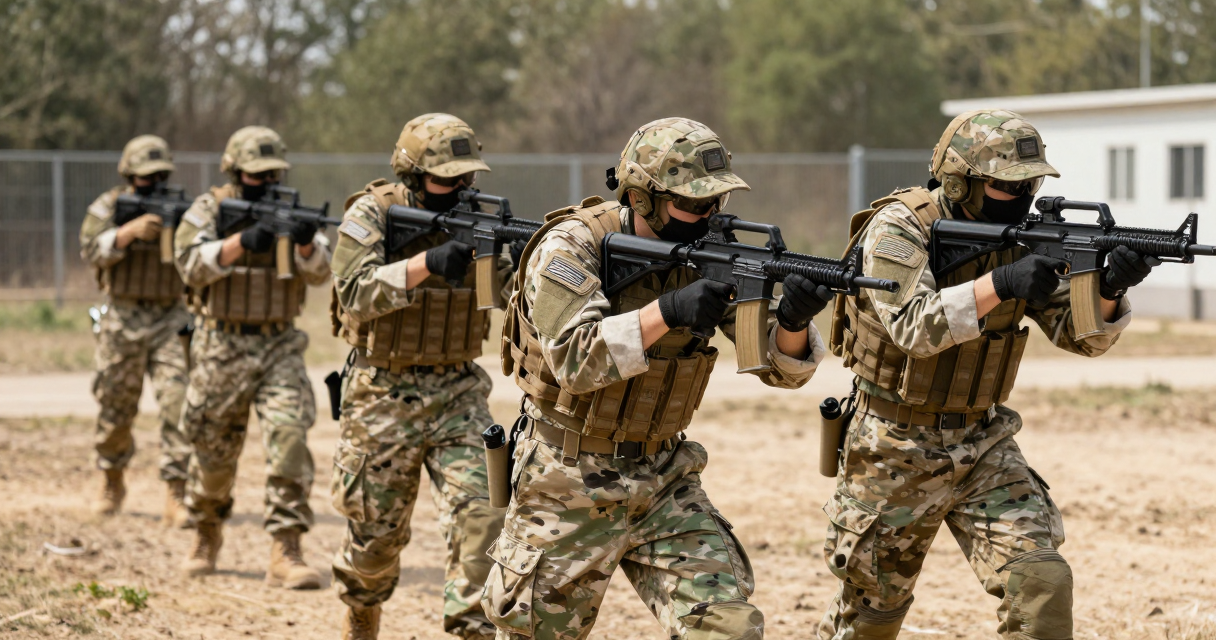
Training scenarios often involve mock urban settings, complete with obstacles, cover, and simulated civilian presence. This allows soldiers to practice tactics such as room clearing, hostage rescue, and combat in densely populated areas. The realistic nature of airsoft training helps soldiers develop critical decision-making skills under pressure, which are essential for real combat situations. Many military units have reported improved performance in live-fire exercises after incorporating airsoft into their training programs.
Technological Advancements in Airsoft Gear
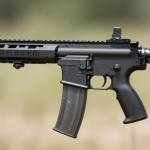
The development of airsoft technology has also played a significant role in its adoption for military training. Modern airsoft guns are designed to closely mimic the weight, handling, and operation of real firearms, making the transition between training and actual combat more seamless for soldiers. High-quality replicas of firearms, such as the M4 and AK series, are widely available, allowing military personnel to train with equipment that feels familiar.
Additionally, advancements in airsoft ammunition have improved performance and safety. Today’s biodegradable BBs are designed to minimize environmental impact while providing consistent performance. Some airsoft guns are also equipped with features such as blowback action, which enhances realism by simulating the recoil of live firearms. These technological improvements ensure that airsoft remains a relevant and effective training tool for military applications.
Airsoft in Law Enforcement Training
Beyond military applications, airsoft has found a niche in law enforcement training as well. Police departments across the globe have started using airsoft guns for scenario-based training, particularly in situations that involve active shooter responses, hostage negotiations, and tactical entry operations. The ability to simulate high-pressure situations without the risk of fatal consequences allows law enforcement officers to hone their skills in a controlled environment.
Training programs often involve role-playing scenarios where officers can practice their responses to various incidents. This type of training fosters teamwork and communication among officers, which is crucial during real-life emergencies. Additionally, airsoft training can be conducted in diverse settings, including schools, malls, and other public spaces, enabling officers to prepare for a wide range of potential incidents.
Global Perspectives on Airsoft Training
The use of airsoft for military and law enforcement training is not limited to the United States. Countries like the United Kingdom, Germany, and Australia have also embraced airsoft as a valuable training resource. In the UK, airsoft is utilized by armed forces and police units to conduct joint exercises, allowing for collaboration and interoperability between different agencies. This approach enhances overall preparedness for various security challenges.
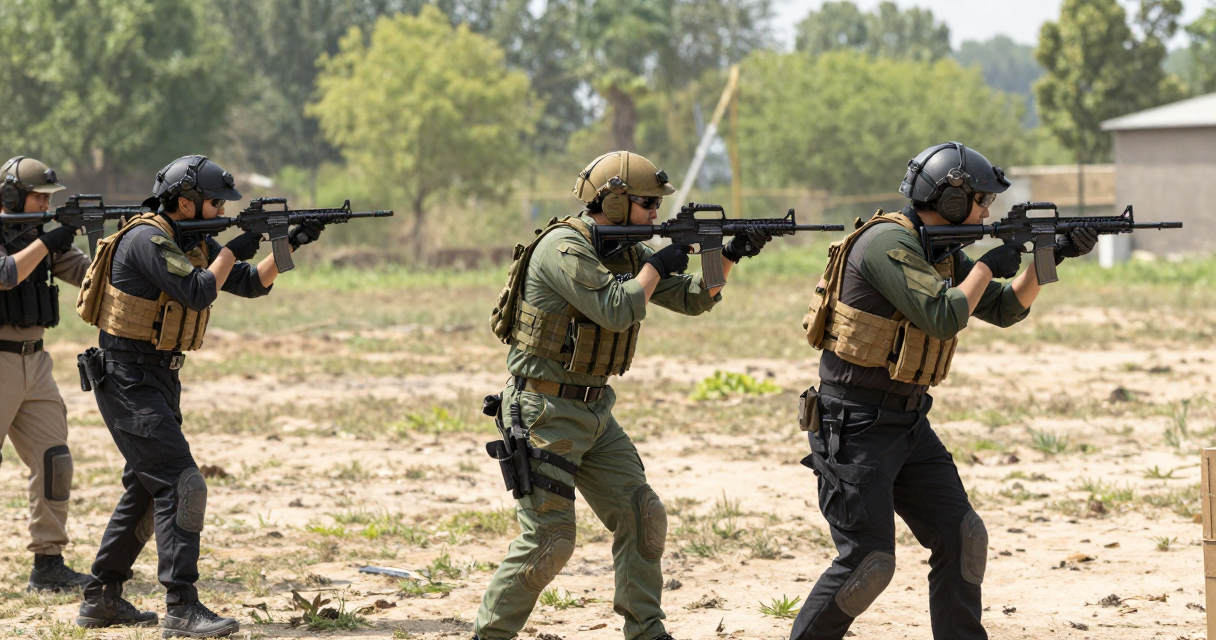
In Russia, airsoft training has gained popularity among youth military training programs, where teenagers learn basic tactical skills, teamwork, and discipline. This early exposure to military concepts can foster a sense of responsibility and preparedness for future service. Other nations are increasingly recognizing the benefits of airsoft as a training tool, leading to a growing global community dedicated to enhancing military and law enforcement readiness through simulated combat scenarios.
The Future of Airsoft in Military Training
As military training continues to evolve, airsoft is likely to play an increasingly prominent role in preparing soldiers for modern combat. The ongoing development of more advanced airsoft technologies, such as integrated training systems that combine virtual reality and augmented reality with physical airsoft scenarios, will further enhance the training experience. These innovations may allow for even greater realism and adaptability in training exercises.
Moreover, as conflicts become more complex and urban warfare becomes more common, the need for effective training solutions will only grow. Airsoft’s versatility and affordability make it an ideal candidate for meeting these evolving training needs. The military’s recognition of the importance of safe, realistic training environments will ensure that airsoft remains a staple in military training for years to come.

I’ve been drawn to the world of firearms and edged weapons ever since I first visited a local shooting range as a teen. I love exploring the history, technology, and responsible use of these tools, and I enjoy sharing insights with fellow enthusiasts.