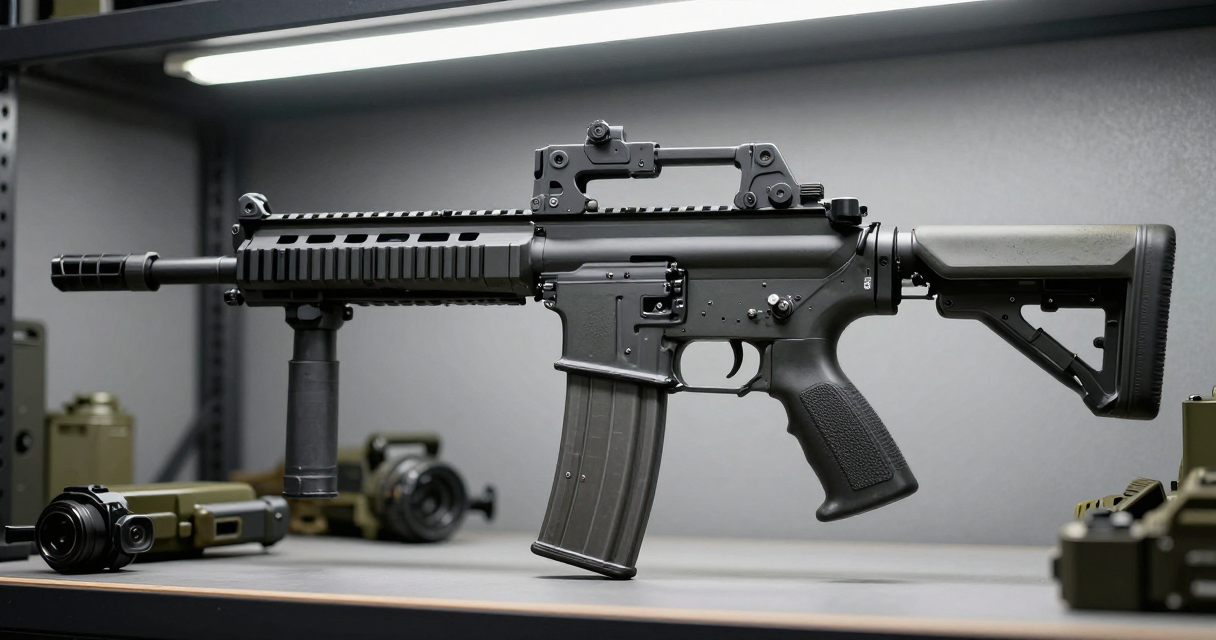
While airsoft rail systems enhance functionality, choosing the right Airsoft Stock Types is equally crucial for stability and comfort in your tactical setup. Understanding the nuances of each rail type helps players match their gear to the demands of a match, whether it is close‑quarters combat or long‑range engagement. Beyond rail standards and materials, mastering Hop-Up Adjustment is essential for improving accuracy and range in your airsoft gun.
Standard Rail Types: Picatinny, M‑LOK and KeyMod
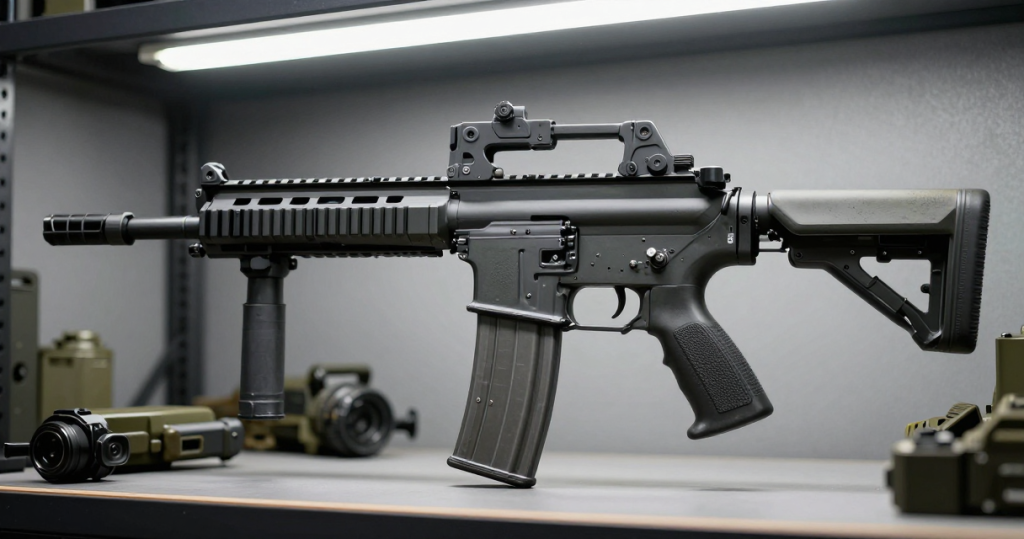
Picatinny rails, first introduced for military firearms in the 1990s, remain the most recognizable mounting system in the airsoft world. Their design features a series of evenly spaced slots that accept a wide range of accessories, from reflex sights to laser emitters. Because the dimensions are standardized at 0.835 inches between slots, manufacturers can produce parts that fit any Picatinny‑compatible weapon without modification. The trade‑off is added weight and a bulkier profile, which can affect balance on lightweight AEGs.
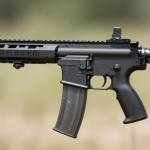
M‑LOK and KeyMod are newer modular systems that prioritize a low‑profile layout and weight savings. M‑LOK, developed by Magpul, uses rectangular slots cut directly into the handguard, allowing accessories to lock in place with a simple T‑slot nut. KeyMod, created by VLTOR, employs a key‑shaped slot that provides a similar locking mechanism but with a slightly different geometry. Both systems reduce the amount of metal on a handguard, often shaving 30 percent of the weight compared to a full Picatinny rail, and they enable players to attach only the accessories they truly need.
Compatibility Across Airsoft Platforms
When selecting a rail system, the first question is whether the chosen weapon can accommodate it without extensive machining. Many modern AEGs, especially those modeled after the M4 platform, come with pre‑drilled M‑LOK or KeyMod slots, making the upgrade straightforward. Older models, such as classic AK‑style rifles, typically require a full Picatinny rail to be welded or screwed onto the receiver. In some cases, adapter plates are available that convert a Picatinny rail to an M‑LOK layout, but these add another layer of hardware and can introduce wobble if not properly torqued.
Compatibility also extends to the accessories themselves. A reflex sight designed for a Picatinny rail will not sit directly on an M‑LOK handguard without an adapter, while many manufacturers now produce dual‑compatible mounts that accept both slot styles. Players should inventory their existing gear and verify the mounting pattern before committing to a rail system, as retrofitting can become costly if multiple adapters are needed.
Materials and Durability Considerations
Rail systems are typically fabricated from aluminum alloy 7075‑T6, stainless steel or high‑strength polymer. Aluminum offers an excellent balance of strength and weight, with a tensile strength that can withstand the recoil forces generated by high‑powered AEGs. Stainless steel rails are heavier but provide superior resistance to corrosion, an important factor for players who train in humid environments or coastal regions. Polymer rails, often reinforced with glass fiber, are the lightest option and can absorb minor impacts without denting, though they may crack under extreme stress.
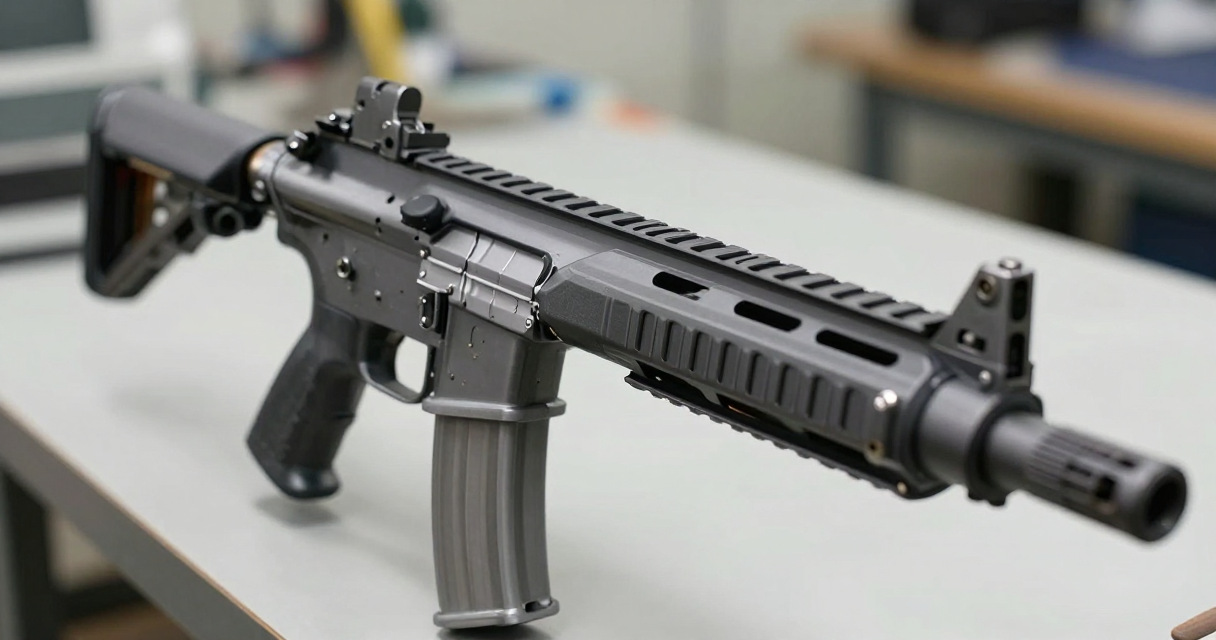
Coating finishes also play a role in longevity. Anodized aluminum rails resist scratches and retain a matte appearance even after repeated handling, while black nitride finishes reduce glare and improve heat dissipation. Some premium rails feature a ceramic coating that offers both a low‑friction surface and superior heat resistance, beneficial for weapons that run hot during extended matches. Choosing the right material and finish depends on the player’s typical operating conditions and personal preference for feel and aesthetics.
Matching Rail Systems to Tactical Needs
For players who favor a modular approach, M‑LOK and KeyMod handguards allow rapid reconfiguration of accessories between matches. A common setup might include a compact holographic sight, a vertical foregrip, and a tactical flashlight, each mounted only when needed. This flexibility reduces the overall silhouette of the weapon, making it easier to maneuver in tight indoor arenas. Conversely, competitors who rely on multiple optics simultaneously, such as a magnified scope paired with a reflex sight, often prefer a full Picatinny rail that offers uninterrupted mounting space.
Weight distribution is another factor that influences rail choice. Adding a full-length Picatinny rail to an AEG can shift the center of gravity rearward, which may affect follow‑through on rapid fire. In contrast, a lightweight M‑LOK handguard keeps the weapon front‑heavy, aiding stability during quick target transitions. Players should test their weapon with the intended rail configuration, observing how the balance feels during both static aiming and dynamic movement, to ensure the setup complements their play style.
Installation Tips and Common Pitfalls
Proper installation begins with cleaning the mounting surface to remove oil, dust and any residue from previous adhesives. For screw‑mounted rails, using a torque wrench set to the manufacturer’s specification, typically between 5 and 7 foot‑pounds, prevents over‑tightening that can strip the threads or warp the handguard. When working with M‑LOK or KeyMod slots, it is essential to align the accessory’s T‑slot nut or key‑shaped insert flush with the rail before tightening, as an angular placement can lead to a loose fit and affect accuracy.
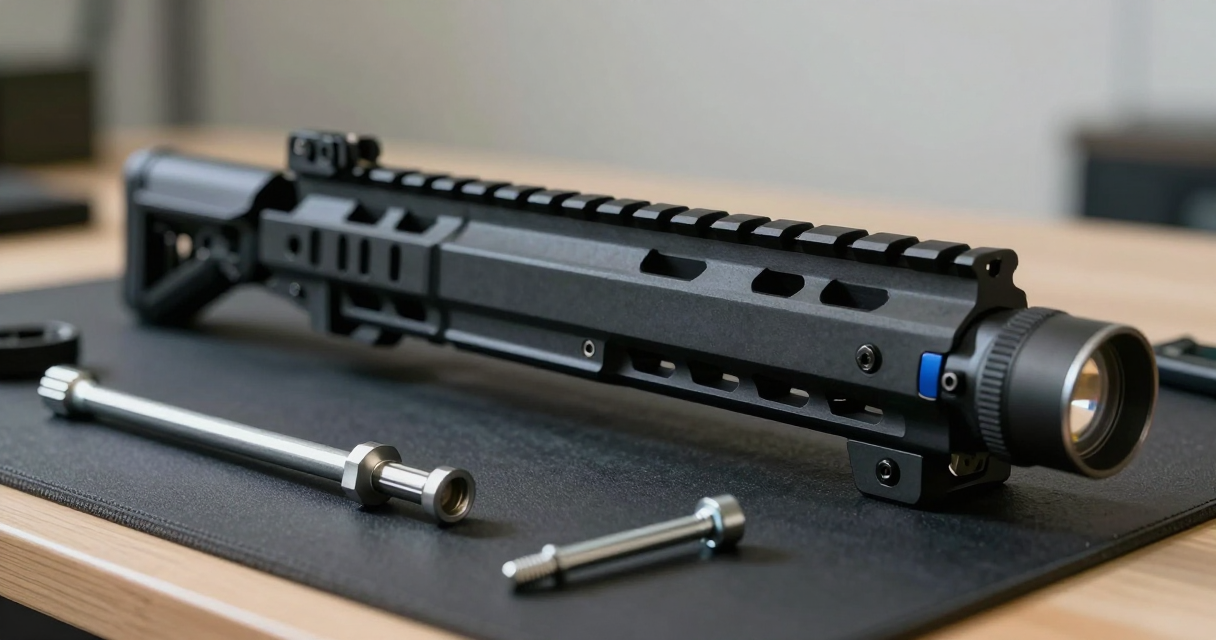
One frequent mistake is neglecting to check the depth of the slots after installation. If a foregrip sits too deep, it may interfere with the trigger guard or obstruct the magazine well, causing malfunctions during rapid fire. Similarly, mounting a light too close to the barrel can produce unwanted heat transfer, potentially warping the rail over time. Players should measure the clearance between installed accessories and critical moving parts, adjusting the position or selecting a different accessory if the gap is less than a millimeter.
Upgrading and Customizing Your Rail Setup
Upgrading a rail system often involves swapping out the handguard for a version with additional slots or a different mounting pattern. Many manufacturers release upgrade kits that include a handguard, compatible accessories and the necessary screws or T‑slot nuts, allowing a seamless transition without the need for custom machining. For a more personalized build, players can add rail sections such as a top rail for additional optics or side rails for laser modules, extending the modularity of the platform.
Beyond hardware, cosmetic customization can enhance both function and personal style. Applying a matte black spray paint to a stainless steel rail reduces glare and matches common tactical finishes, while a brushed aluminum finish offers a sleek, professional look. Some enthusiasts also install rail covers, lightweight polymer caps that protect the slots from dust and debris when not in use. These small additions can prolong the life of the rail system and keep the weapon ready for action at a moment’s notice.

I’ve been drawn to the world of firearms and edged weapons ever since I first visited a local shooting range as a teen. I love exploring the history, technology, and responsible use of these tools, and I enjoy sharing insights with fellow enthusiasts.