Airsoft MilSim events blend realistic combat tactics with the safety of replica firearms, giving participants a chance to experience military‑style operations without the dangers of live fire. These gatherings attract players who value teamwork, strategic planning, and authentic equipment, and they have grown into a cornerstone of the modern airsoft community. To get the most out of a MilSim day you need more than just a gun and a loadout; you must understand the legal landscape, prepare the right gear, and orchestrate a scenario that challenges every squad member. This guide walks you through each prerequisite and action step, helping you turn a simple meetup into a memorable tactical exercise.
Understanding MilSim Basics and Legal Requirements
The first task is to grasp what distinguishes a MilSim event from a casual skirmish. MilSim focuses on replicating military missions, which means adhering to realistic rules of engagement, using authentic uniforms, and often incorporating simulated casualties. Before you book anything, verify that the venue permits airsoft activities and that local regulations allow the specific BB velocity and muzzle energy you plan to use. Many jurisdictions cap muzzle velocity at 350 feet per second for 6 mm projectiles, and exceeding that limit can lead to fines or confiscation of equipment. Checking these rules early prevents costly last‑minute changes and ensures every participant stays within the law.
In addition to velocity limits, you must consider age restrictions and required safety gear. Most states require players under eighteen to have parental consent, and many venues mandate full‑face protection, eye protection that meets ANSI Z87.1 standards, and hearing protection for high‑power rifles. Keep copies of liability waivers and insurance certificates on hand; some organizers ask for proof of personal liability coverage before allowing you onto the field. By compiling all paperwork and confirming compliance with local statutes, you lay a solid foundation for a trouble‑free event.
Choosing the Right Gear and Weapon Platform
Selecting a platform that matches the scenario’s era and the player’s skill level is critical for immersion and performance. If you are staging a World War II operation, a gas‑powered rifle that mimics the weight and recoil of a Mauser will enhance realism, whereas a modern tactical event benefits from an electric rifle with adjustable hop‑up and a high‑capacity magazine. Pay attention to the power source; batteries should be fully charged the night before, and spare gas canisters must be stored in a well‑ventilated area away from heat sources. Investing in a reliable hop‑up adjustment system reduces the need for frequent re‑zeroing during the game, saving time and keeping the focus on tactics.
Beyond the primary weapon, equip each player with essential accessories that support the mission. Tactical rail systems allow quick attachment of foregrips, lasers, and flashlights, while a sturdy sling distributes weight and frees the hands for equipment handling. Opt for a high‑quality BBs rated at 0.20 gram for a balanced trajectory, and consider using a chronograph to verify that your gun stays within the legal velocity envelope. Proper gear selection not only improves accuracy but also prevents malfunctions that could disrupt the flow of the simulation.
Securing a Venue and Planning the Scenario
The venue sets the tone for any MilSim event, so choose a location that aligns with the mission’s objectives and offers enough space for maneuvering squads. Outdoor fields with natural cover, abandoned industrial sites, or purpose‑built indoor arenas each provide distinct tactical challenges. When scouting a site, map out key terrain features such as buildings, trenches, and elevation changes, then sketch a layout that incorporates clear objectives, rally points, and safe zones. Remember to verify that the property owner grants permission for airsoft use and that the site has adequate emergency exits and medical facilities.
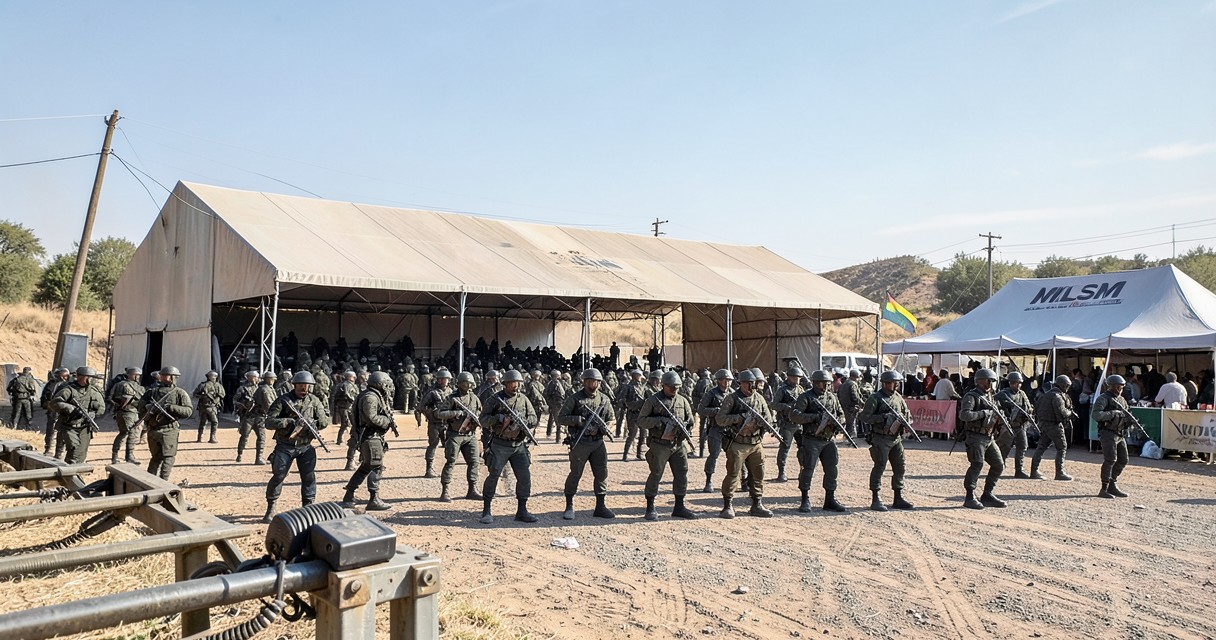
Scenario planning involves translating a simple mission brief into a series of actionable tasks for the players. Start with a clear goal, capture a flag, rescue a hostage, or secure an objective, and then break it down into phases like insertion, reconnaissance, engagement, and extraction. Assign each phase a time limit to keep the action paced, and embed realistic obstacles such as minefields, booby‑trapped doors, or limited ammunition caches. Providing a written brief that outlines the storyline, rules of engagement, and expected conduct helps participants understand their role and reduces confusion once the event begins.
Assembling a Squad and Assigning Roles
Effective MilSim relies on well‑balanced teams where each member knows their responsibilities. Begin by gathering players with complementary skill sets; a mix of sharpshooters, medics, communications specialists, and assault leaders creates a versatile unit. Use a simple spreadsheet to track each player’s preferred weapon, experience level, and any special qualifications such as first‑aid certification. This information guides you when assigning roles, ensuring that no squad is left without a designated leader or a designated casualty care provider.
When you announce the squad composition, provide a concise role card that outlines duties, equipment loadout, and communication protocols. For example, the squad leader should carry a radio set to the designated frequency, a map, and a backup weapon, while the designated marksman receives a high‑precision rifle and a spotting scope. Encourage players to rehearse basic drills, room clearing, fire‑and‑movement, and casualty evacuation, before the main event. Practicing these fundamentals builds confidence and reduces the likelihood of role‑confusion during high‑intensity moments.
Conducting Safety Briefings and Rules Enforcement
A thorough safety briefing is the cornerstone of any responsible MilSim operation. Gather all participants in a central area and review the mandatory protective equipment, safe handling procedures, and the specific rules of engagement for the day. Emphasize the importance of muzzle discipline, trigger discipline, and the correct method for calling a cease‑fire if a safety incident occurs. Demonstrate the proper way to clear a jam, replace a magazine, and verify that the safety is engaged when moving through non‑combat zones.
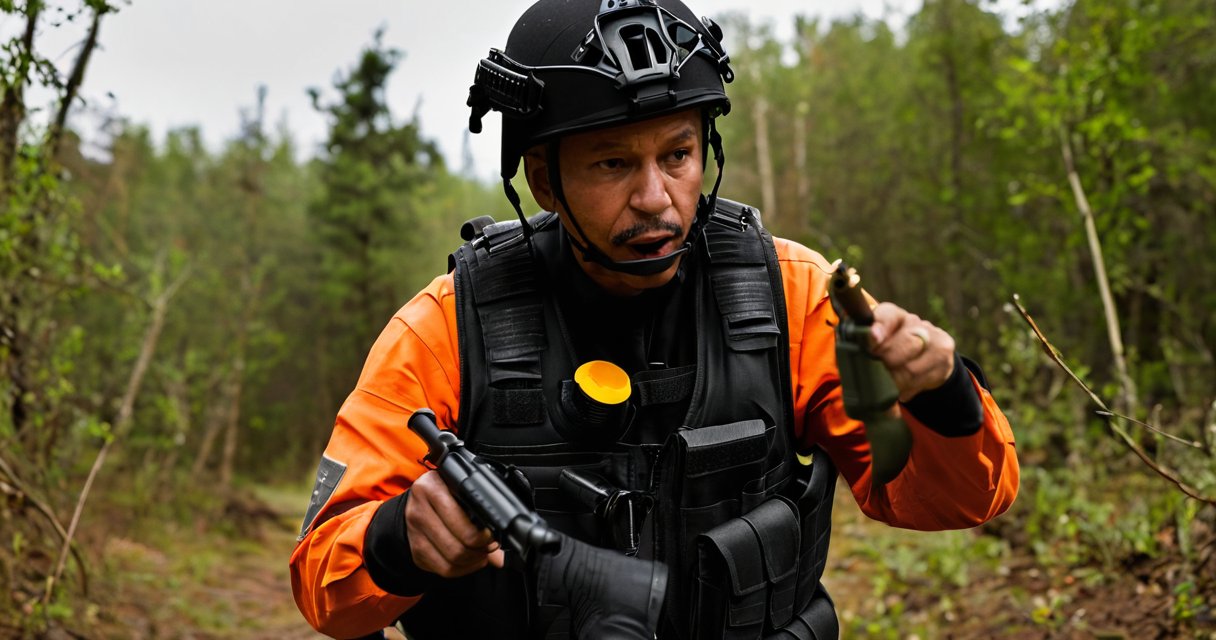
Enforcement of the rules falls to the appointed safety officers, who should wear a distinctive vest or badge for easy identification. Their duties include monitoring the field for rule violations, issuing warnings, and, if necessary, removing a player from the game for repeated infractions. Keep a log of any incidents, noting the time, location, and corrective action taken; this record helps improve future events and provides evidence of due diligence in case of an external inquiry. Consistent enforcement not only protects participants but also preserves the credibility of the MilSim experience.
Running the Event and Post Action Review
With the groundwork laid, the actual run of the MilSim event should follow the pre‑written timeline while allowing flexibility for unexpected developments. Start with a clear countdown, then let the squads execute the insertion phase, using the terrain to conceal movement and establish contact points. As the engagement unfolds, monitor the flow of the game, adjusting reinforcement timings or ammunition resupplies to maintain balance. Use a portable speaker or radio to broadcast mission updates, weather changes, or new objectives, keeping all participants aware of the evolving situation.
After the final extraction, gather the players for a post‑action review that focuses on lessons learned and highlights moments of tactical success. Encourage each squad to discuss what worked, what didn’t, and how communication could be improved in future scenarios. Document feedback in a shared online folder, and consider creating a short after‑action video using footage captured on GoPro cameras mounted on helmets. This debrief not only reinforces training concepts but also builds a community of players eager to return for the next MilSim challenge.

I’ve been drawn to the world of firearms and edged weapons ever since I first visited a local shooting range as a teen. I love exploring the history, technology, and responsible use of these tools, and I enjoy sharing insights with fellow enthusiasts.