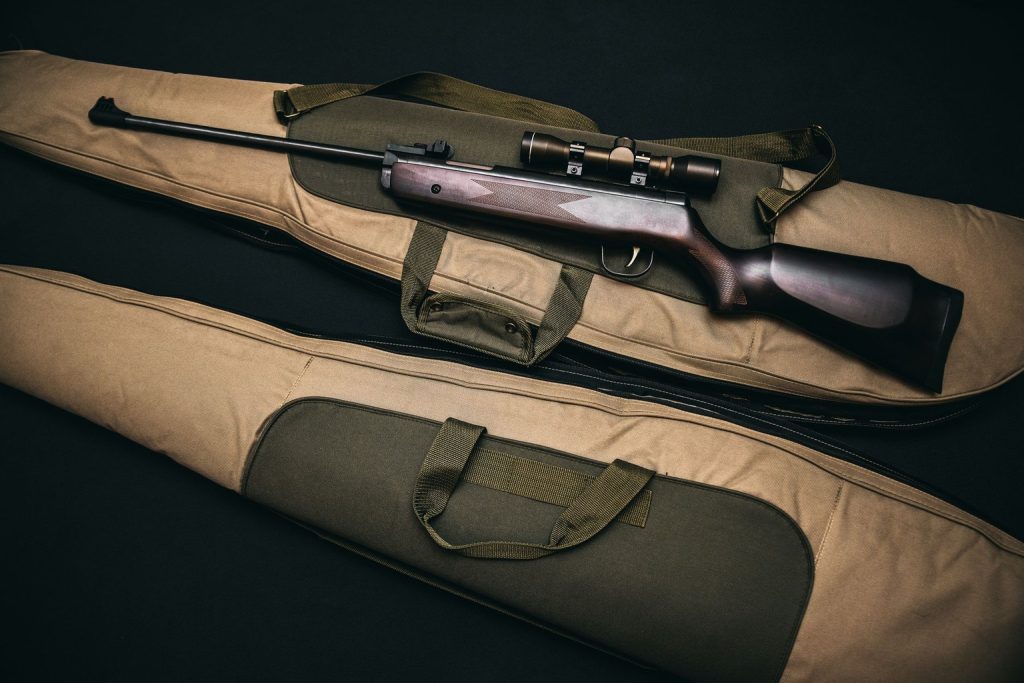
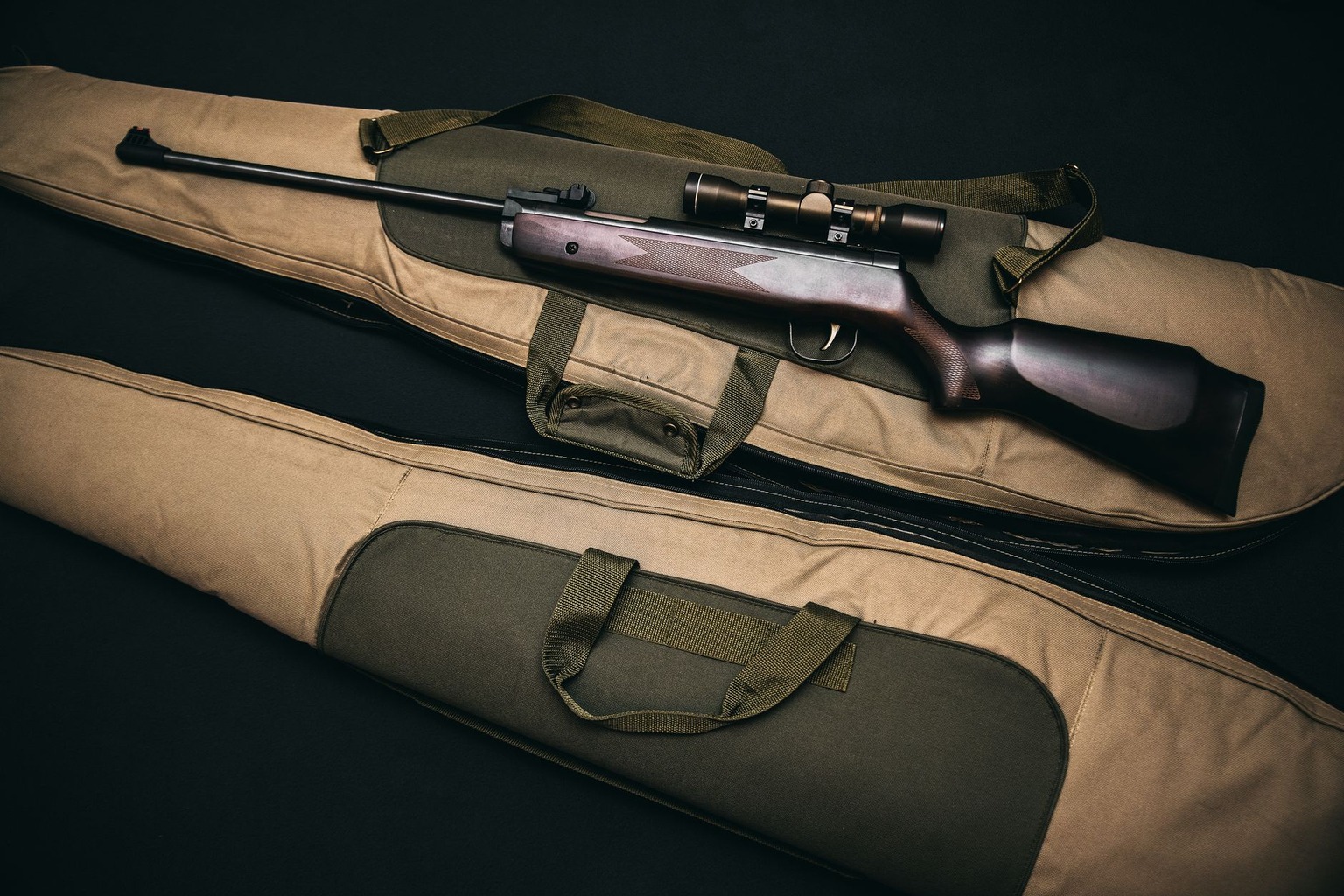
Properly storing a firearm isn’t just about keeping it safe from unauthorized access, it’s about preserving its functionality for years to come. Whether you own a high-end competition pistol, a reliable service revolver, or a rugged airsoft replica, neglecting long-term storage can lead to rust, malfunctions, or even permanent damage. The right approach combines security, humidity control, and maintenance to ensure your firearm remains in peak condition when you need it most. For serious shooters, this means treating storage as an extension of responsible ownership, not an afterthought.
Assess Your Storage Environment Before You Begin
The first step in firearm long-term storage tips is understanding where you’re storing your guns. A damp basement, a hot attic, or even a car trunk can turn into a nightmare for metal and polymers over time. Ideal conditions hover around 50 to 70 degrees Fahrenheit with humidity levels between 40 and 50 percent. If your home doesn’t naturally maintain these parameters, investing in a dehumidifier or climate-controlled safe becomes essential. Even airsoft replicas, which may not be loaded with live ammunition, can suffer from moisture-related corrosion if left exposed to extreme conditions. For example, a steel-barreled pistol stored in a garage without ventilation might develop rust within months, while a properly sealed safe can keep it pristine for decades. Always check your storage space for drafts, temperature swings, or pest activity, as these factors accelerate wear.
Another critical environmental factor is light exposure. Prolonged sunlight can degrade plastic components in firearms, causing them to become brittle or discolored. If you’re storing guns in a glass-front safe or display case, consider using UV-blocking film or positioning the safe away from windows. Even airsoft guns with polymer frames can suffer from UV damage over time, leading to cracks or warping. For collectors or competitive shooters who rely on precision, this kind of degradation isn’t just cosmetic, it can affect performance. Think of it this way: a well-maintained firearm is like a fine watch; both require stable conditions to function flawlessly when you need them.
Choose the Right Container for Your Firearm Type
Not all gun safes are created equal, and the wrong choice can compromise both security and longevity. For loaded firearms, a heavy-duty safe rated for fire resistance and burglary protection is non-negotiable. However, for unloaded firearms or airsoft replicas, a high-quality gun case or hard-shell container might suffice if security isn’t the primary concern. Look for cases made from impact-resistant materials like polycarbonate or reinforced fiberglass, which protect against scratches, dents, and moisture. Brands like Safeco or GunVault offer options that balance durability with portability, making them ideal for shooters who transport their gear frequently.
For long-term storage, consider modular storage solutions like gun racks or wall-mounted cabinets. These allow for easy access while keeping firearms organized and protected from dust. If you’re storing multiple firearms, ensure they’re separated to prevent cross-contamination of oils, dust, or moisture. A common mistake is stacking firearms directly on top of each other, which can lead to misalignment or damage to delicate parts. Instead, use padded dividers or individual cases to maintain separation. Even airsoft guns benefit from this approach, as their internal mechanisms can still suffer from improper handling over time.
Clean and Maintain Your Firearm Before Storage
Before locking your firearm away for an extended period, thorough cleaning is one of the most important firearm long-term storage tips. Residual powder, dirt, or lubricant left in the barrel or slide can accelerate corrosion or gum up moving parts. Use a high-quality gun cleaner like CLP (Cleaner, Lubricant, Preservative) to break down carbon buildup, then apply a light coat of oil to metal surfaces to prevent rust. For firearms stored with magazines, ensure they’re also cleaned and oiled to prevent internal corrosion. If you’re storing a semi-automatic pistol, disassemble it completely, clean each component, and apply a thin layer of oil to the slide rails and barrel threads.
On the Brownells, Inc. channel, they cover firearm storage and safety topics – you can watch their Quick Tip: The Do’s & Don’ts of Ammo Storage right here.
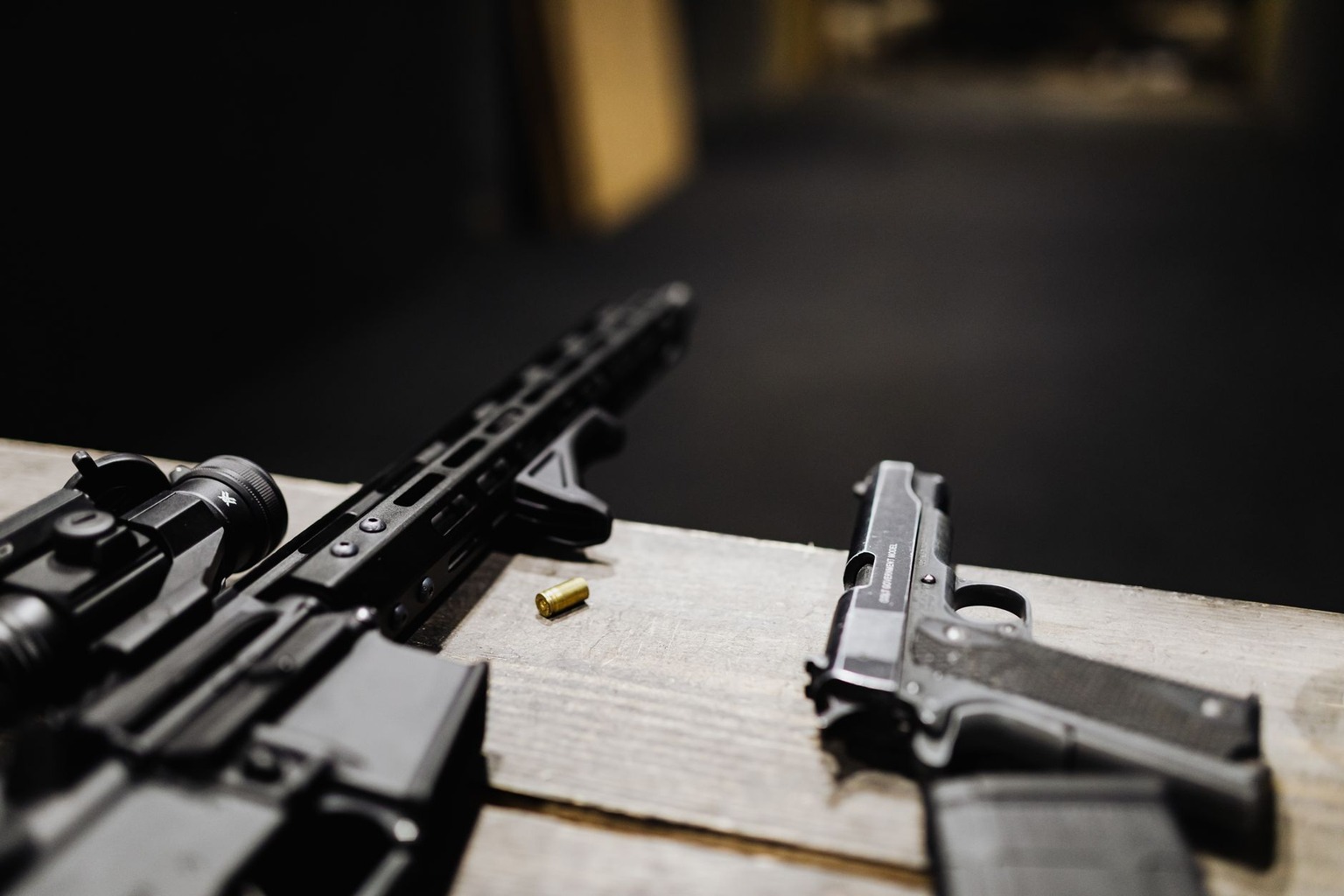
For airsoft replicas, the process is similar but with some key differences. Since airsoft guns don’t use live ammunition, they don’t require the same level of internal cleaning, but they still need protection from moisture and dust. Use a soft cloth to wipe down the exterior, then apply a light coat of silicone-based lubricant to plastic and metal parts to prevent cracking or seizing. Avoid heavy oils, which can attract dust and debris. If your airsoft gun has a polymer frame, be extra cautious, some lubricants can break down the material over time. Always follow the manufacturer’s recommendations for maintenance, as some airsoft brands specify unique care routines for their products.
Avoid Common Mistakes That Ruin Firearms Over Time
One of the biggest mistakes shooters make is storing firearms with ammunition still in the chamber or magazine. Even if the gun is unloaded, residual primer residue or propellant can corrode metal over time. Always ensure your firearm is completely empty before storage, and consider using a magazine disconnector or safety block to prevent accidental discharges. Another frequent error is using the wrong type of oil or lubricant. Petroleum-based oils like WD-40 can attract moisture and actually accelerate rust formation. Instead, opt for synthetic or mineral-based oils specifically designed for firearms, such as those from CLP or Break-Free.
Leaving firearms in their original packaging can also be a mistake, especially if the packaging isn’t moisture-resistant. Cardboard boxes or plastic bags without breathability can trap humidity, leading to rust or mold growth. If you’re storing firearms in a case, ensure it’s well-ventilated and has moisture absorbers like silica gel packets. Another overlooked issue is neglecting to check on your stored firearms periodically. Even with the best precautions, environmental conditions can change, and a quick inspection every few months can prevent small problems from becoming major ones. For example, if you notice condensation inside a safe, it’s time to adjust the climate control or add more dehumidifiers.
Use Proper Accessories to Extend Firearm Lifespan
Investing in the right accessories can make a significant difference in how well your firearm holds up during long-term storage. For metal firearms, a rust inhibitor like CLP’s Rust-Oleum or a specialized corrosion inhibitor spray can provide an extra layer of protection. These products create a protective barrier that prevents moisture from reaching the metal surface. For firearms with wooden stocks or grips, consider using a wood conditioner to prevent drying or cracking. Even airsoft guns with wooden grips benefit from this treatment, as the wood can warp or split if not properly maintained.
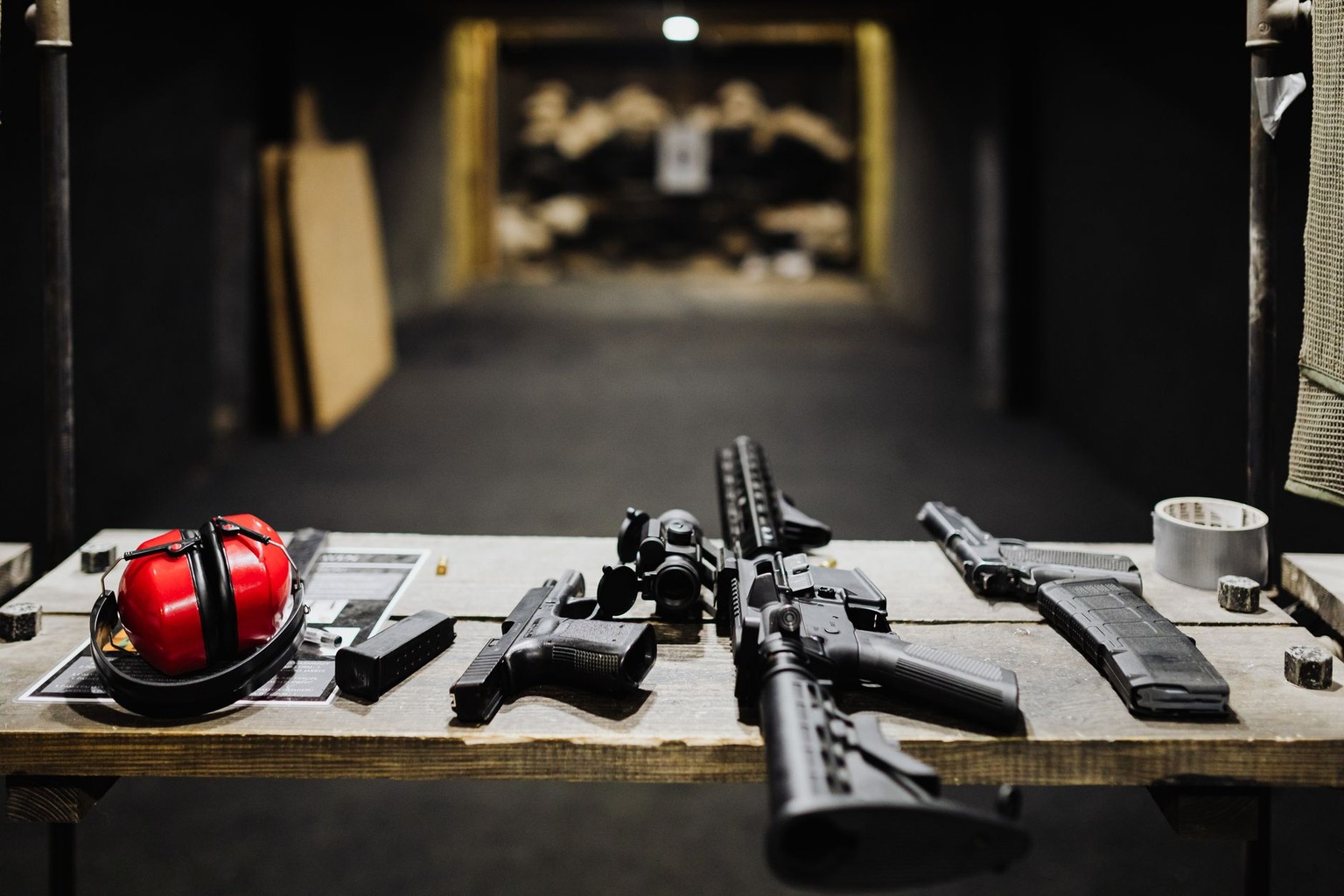
Another useful accessory is a firearm-safe storage box with a built-in humidity control system. Some high-end safes, like those from SafeCo or SentrySafe, include integrated dehumidifiers that automatically regulate moisture levels. For shooters who store firearms in a garage or basement, a portable dehumidifier placed near the safe can make a world of difference. Additionally, using padded gun racks or individual gun sleeves can prevent scratches and dents, which not only protect the firearm’s appearance but also its functionality. For example, a well-padded rack ensures that the slide of a pistol doesn’t scrape against the safe’s interior, which can cause misalignment over time.
Develop a Routine for Periodic Inspections
Even with the best storage conditions, firearms require occasional attention to stay in optimal condition. A good rule of thumb is to inspect your stored firearms at least once every six months. During these inspections, check for signs of rust, corrosion, or dust buildup. If you notice any moisture inside the safe or case, address it immediately with a dehumidifier or moisture absorbers. For firearms stored with magazines, ensure the springs and internals are still functioning smoothly, dust and debris can cause them to seize over time. If you find any issues, such as a stiff slide or rusted barrel threads, address them promptly before they worsen.
For airsoft replicas, periodic inspections are equally important, even though they don’t use live ammunition. Check the plastic components for cracks or yellowing, which can indicate UV damage or degradation from improper lubricants. Test the trigger mechanism and other moving parts to ensure they’re still smooth and responsive. If you notice any stiffness or grinding, it’s a sign that the gun needs cleaning or relubrication. Regular inspections also give you a chance to rotate your stored firearms, ensuring that none are left unused for too long. For competitive shooters, this means keeping their gear ready for the next match or range session without last-minute surprises.

I’ve been drawn to the world of firearms and edged weapons ever since I first visited a local shooting range as a teen. I love exploring the history, technology, and responsible use of these tools, and I enjoy sharing insights with fellow enthusiasts.