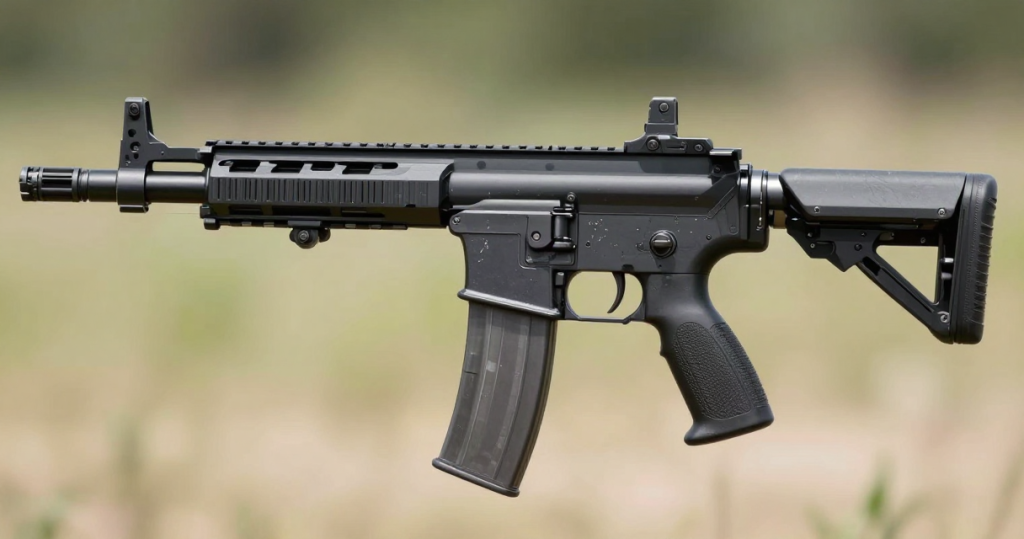
Understanding airsoft gun trigger response is essential for both new and experienced players. Trigger response refers to the speed and sensitivity with which the trigger mechanism responds to a pull. In airsoft, a quick and precise trigger response can significantly enhance your performance during gameplay. This guide breaks down the prerequisites and actionable steps to improve your airsoft gun’s trigger response, along with common pitfalls to avoid and expert tips for fine-tuning your setup.
Assess Your Current Setup
Before making any modifications or upgrades, it is crucial to evaluate your current airsoft gun setup. Start by checking the type of trigger mechanism your gun uses, most commonly, this is either a mechanical or electronic trigger. Mechanical triggers typically have a longer pull distance and may require more force to activate, while electronic triggers provide a quicker response with adjustable settings. Understanding these differences will help you determine what adjustments are necessary to achieve your desired trigger response.
In addition, inspect the overall condition of your airsoft gun. Wear and tear on components such as the trigger assembly, gearbox, and wiring (for electric guns) can significantly impact performance. Look for any signs of damage or excessive friction, which could hinder the trigger’s responsiveness. By identifying these issues early on, you can prevent bigger problems down the line and ensure that your airsoft gun performs optimally.
Upgrade Your Trigger Mechanism
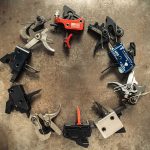
If you find that your current trigger mechanism is lacking, consider investing in an aftermarket trigger upgrade. For mechanical systems, aftermarket triggers can reduce the pull weight and shorten the travel distance, resulting in a snappier response. Brands like G&G and Laylax offer various options designed to enhance trigger performance. On the electronic side, programmable electronic triggers can allow for customizable firing modes, which can further improve your trigger response.
When installing a new trigger mechanism, follow the manufacturer’s instructions carefully. Ensure that all parts are compatible with your specific airsoft model to avoid damage and ensure functionality. Proper installation is key; a poorly installed trigger can lead to misfires or even damage to your airsoft gun. If you’re unsure about the installation process, seeking help from a professional or experienced airsoft technician can save you time and frustration.
Optimize Your Gearbox and Internal Components
The gearbox is the heart of your airsoft gun, and optimizing its internals can significantly improve trigger response. Start by inspecting the gearbox for any debris or damaged parts. Clean and lubricate the gears to reduce friction, which can slow down trigger response time. High-quality lubricants specifically designed for airsoft guns can help maintain performance without attracting dirt and grime.
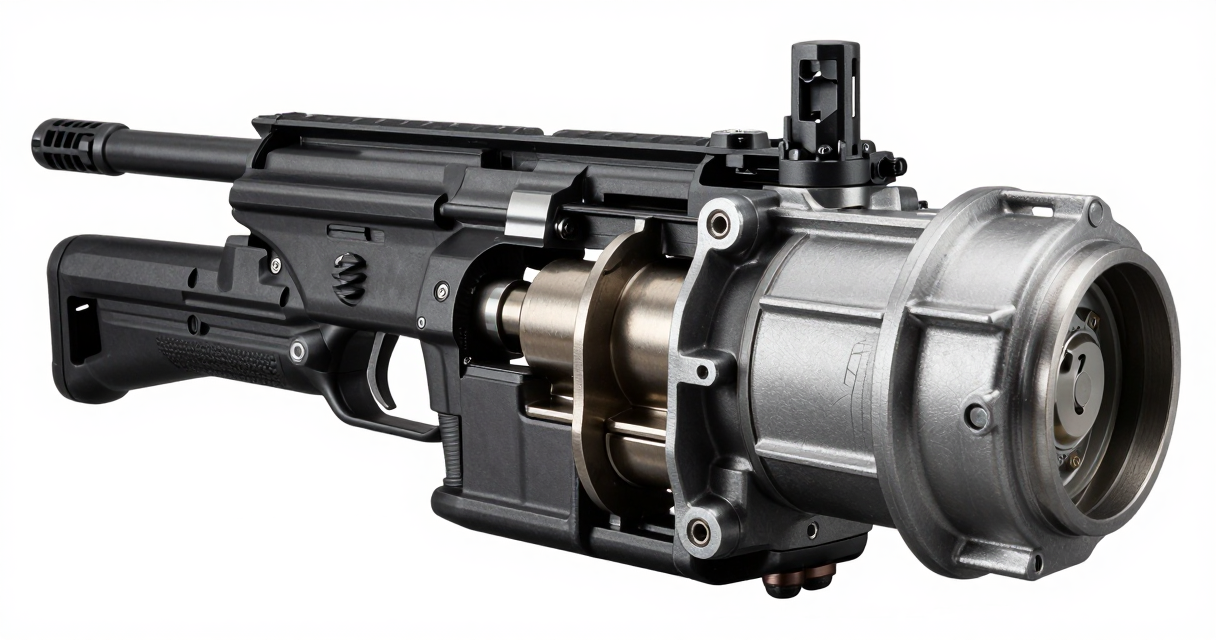
Consider upgrading internal components such as the piston, cylinder, and air nozzle. Lightweight pistons or high-speed gears can enhance the speed at which the gearbox cycles, leading to a quicker trigger response. Additionally, using a high-torque motor can provide the necessary power to achieve a faster cycle rate. Remember to balance these upgrades carefully; while speed is essential, reliability should never be compromised.
Adjust Your Hop-Up Unit
The hop-up unit plays a critical role in the accuracy and range of your airsoft gun, but it can also affect trigger response. A well-tuned hop-up allows for better backspin on the BBs, leading to improved trajectory and stability. Start by adjusting the hop-up to find the sweet spot for your particular BB weight and type. Too much hop-up can cause the BBs to curve excessively, while too little can lead to inconsistent shooting.
After making adjustments, test your airsoft gun to ensure that the trigger response aligns with your expectations. If the hop-up is too tight or too loose, it may create additional drag on the BBs, slowing down the overall firing cycle. Fine-tuning your hop-up can lead to a more consistent shooting experience, which indirectly enhances your trigger response by allowing for quicker follow-up shots.
Choose the Right Battery and Power Source
For electric airsoft guns, the battery plays a vital role in determining trigger response. A high-quality battery with a higher discharge rate can provide the necessary power for quicker trigger activation. Lithium Polymer (LiPo) batteries are popular choices among airsoft enthusiasts due to their lightweight nature and higher voltage output compared to standard NiMH batteries. However, ensure that your airsoft gun is compatible with LiPo batteries to avoid damaging the electronics.
Additionally, consider the battery’s capacity and voltage. A higher voltage can lead to faster trigger response but may also require you to manage the risk of overloading your motor. A balanced approach is key; using a battery that meets your performance needs without compromising safety is essential. Regularly check your battery’s condition and replace it if you notice any signs of swelling or damage.
Practice Trigger Control Techniques
No matter how well your airsoft gun is set up, your trigger control techniques will ultimately determine your performance. Practice is vital to developing muscle memory for quick and accurate trigger pulls. Techniques such as “resetting the trigger” after each shot can help you maintain a faster firing rate. This involves releasing the trigger just enough to reset the mechanism without fully letting go, allowing for faster follow-up shots.
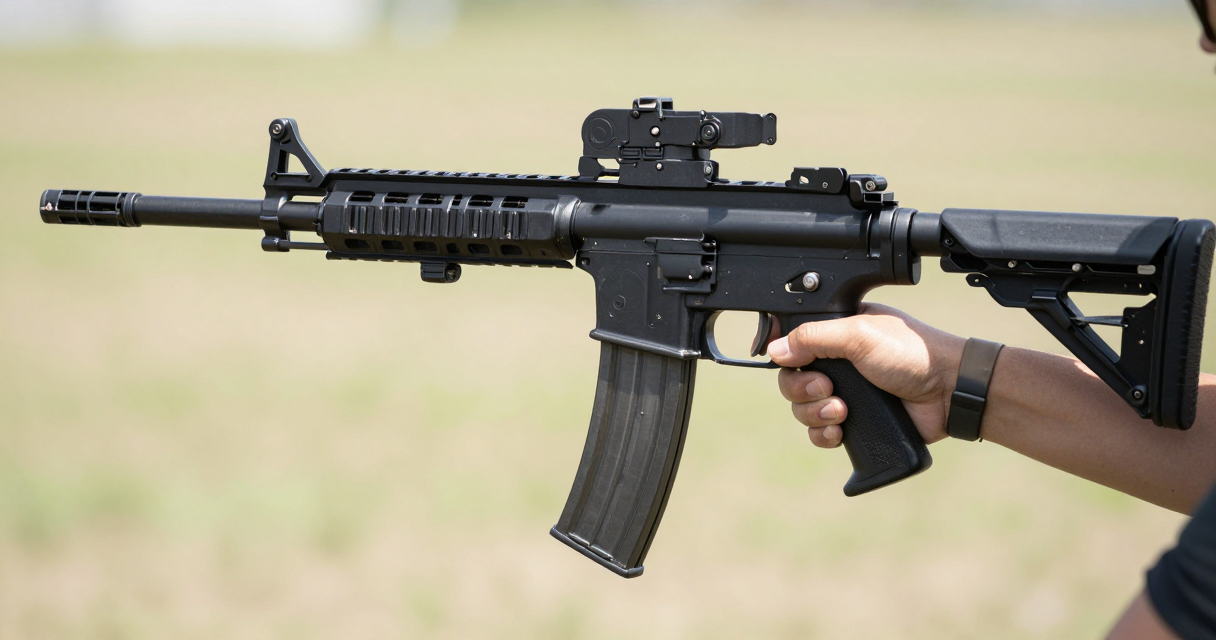
Incorporate various drills into your practice sessions, such as shooting at different ranges and engaging multiple targets. These drills will help you become familiar with your airsoft gun’s trigger response and develop your shooting skills. Additionally, consider using a shot timer to measure your reaction times and track your progress over time. This data can help you identify areas for improvement and refine your techniques.
Avoid Common Mistakes
When it comes to improving your airsoft gun’s trigger response, certain common mistakes can hinder your progress. One of the most frequent errors is neglecting basic maintenance. Failing to clean and lubricate your airsoft gun can lead to unnecessary friction, affecting both performance and trigger response. Make it a habit to regularly inspect and maintain your equipment to prevent these issues.
Another mistake is overcomplicating upgrades. While it can be tempting to install multiple parts simultaneously, this approach can lead to unforeseen compatibility issues. Focus on one upgrade at a time to better assess its impact on trigger response. Finally, avoid rushing your practice sessions. Mastering trigger control takes time, and practicing too quickly can lead to bad habits. Always prioritize accuracy and consistency over speed to achieve better overall results.

I’ve been drawn to the world of firearms and edged weapons ever since I first visited a local shooting range as a teen. I love exploring the history, technology, and responsible use of these tools, and I enjoy sharing insights with fellow enthusiasts.