Understanding airsoft gun gear ratios is essential for optimizing performance in airsoft gameplay. Gear ratios dictate how the motor’s speed translates into the action of the gun, impacting everything from trigger response to rate of fire. This article will break down the different aspects of gear ratios, comparing various options to help players make informed choices about their airsoft guns. With a focus on dimensions such as speed, torque, application, and compatibility, players can better understand how gear ratios affect their airsoft experience.
Speed: The Impact of Gear Ratios on Rate of Fire
One of the most critical factors to consider when evaluating gear ratios is how they affect the rate of fire (ROF) of an airsoft gun. Lower gear ratios, such as 13:1, allow for faster cycling of the piston, which can lead to higher ROF. This is because the motor needs fewer rotations to complete a cycle, resulting in quicker trigger pulls. In contrast, higher ratios like 18:1 provide more torque but reduce speed, meaning they are better suited for builds where a slower, more controlled firing rate is desired. Players looking for rapid-fire capabilities in close-quarters combat scenarios may prefer lower ratios, while those engaging in longer-range skirmishes might benefit from the stability of higher ratios.
However, it is essential to note that the maximum achievable ROF is influenced by other components, including battery capacity and motor efficiency. Even with a low gear ratio, if the battery cannot provide enough power or the motor is not efficient, the gun may not perform at optimal levels. Therefore, players should consider their entire setup when deciding on gear ratios to ensure they meet their specific gameplay needs.
Torque: Balancing Power and Control
Torque is another crucial dimension influenced by gear ratios, particularly in relation to the airsoft gun’s ability to handle heavier springs. A higher gear ratio (like 18:1) generates more torque, which is beneficial when using stronger springs that require more force to compress. This torque translates to better performance in semi-automatic fire, where a precise and controlled release is necessary. Conversely, lower ratios (such as 13:1) may struggle with higher spring loads, potentially leading to mechanical failures or inconsistent firing.
When building or upgrading an airsoft gun, players need to match the gear ratio with the spring strength they intend to use. For example, a player who prefers a high-speed setup may opt for a lower ratio but should be aware that this could limit their ability to use stronger springs without risking damage. Understanding the torque implications of gear ratios allows players to tailor their gun performance to their specific playstyle.
Application: Choosing the Right Ratio for Your Playstyle
Different airsoft playstyles demand varying gear ratios for optimal performance. Players who engage in fast-paced, aggressive gameplay often benefit from lower gear ratios, as these allow for rapid-fire capabilities and quick trigger response. Conversely, players who prefer a more strategic approach, such as sniping or covering fire, may find that higher gear ratios provide the stability and control necessary for precise shots.
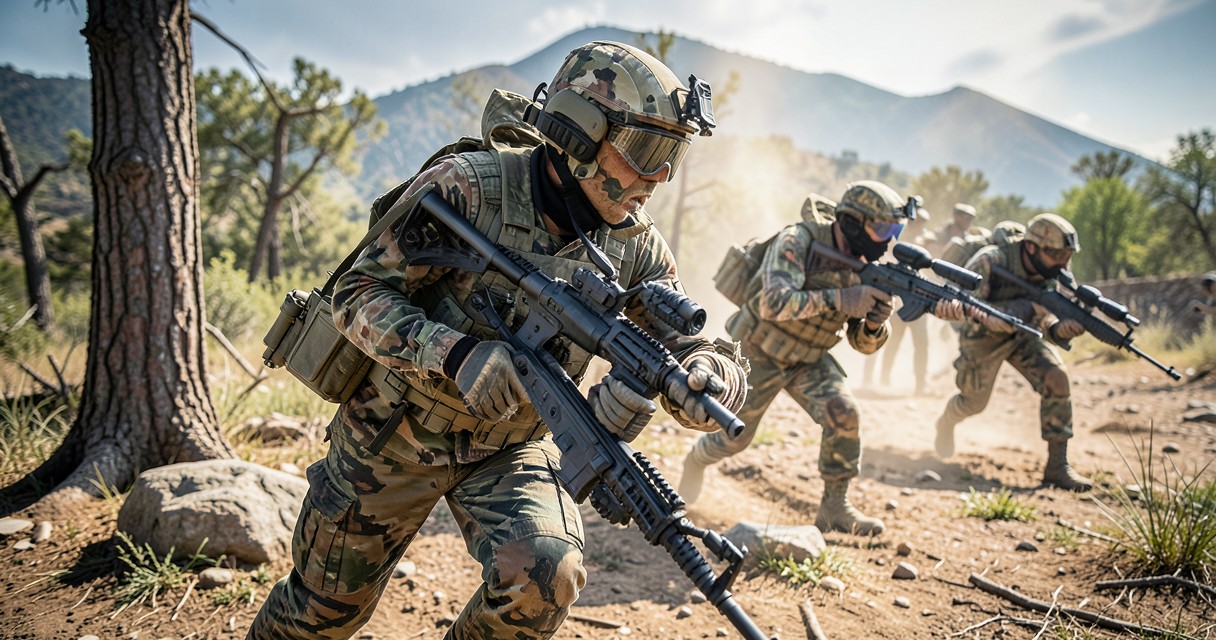
For example, a player using an airsoft sniper rifle may choose an 18:1 ratio to ensure they can manage heavier springs without sacrificing accuracy. On the other hand, an assault rifle user engaged in close-quarters combat may favor a 13:1 ratio to maximize their rate of fire. Recognizing how each gear ratio aligns with specific playstyles can significantly enhance performance on the field.
Compatibility: Matching Gears with Motors and Batteries
Compatibility is a vital consideration when selecting gear ratios for an airsoft gun. Not all motors and batteries work efficiently with every gear ratio. For instance, a high-speed motor might not pair well with a high gear ratio, as the motor could struggle under the increased load, leading to overheating or burnout. Similarly, a low-capacity battery may not provide the necessary power to support a high-speed setup, negating the benefits of a lower gear ratio.
Players should also consider the gearbox design and how it interacts with the chosen gears. Some gear sets may require specific modifications or shimming to function correctly, especially when altering the gear ratio. Ensuring all components are compatible is essential for achieving the desired performance and reliability in airsoft guns.
Cycle Speed: Understanding the Full System Dynamics
While gear ratios provide a foundational understanding of how a gun operates, they are not the sole determinant of cycle speed. The interaction between the gear ratio, motor speed, and other internal components creates a complex system that dictates performance. For example, even with an ideal gear ratio, if the piston is not well-shimmed or the gearbox is misaligned, the cycling speed will suffer.
Players must consider the entire system when evaluating how gear ratios will affect their airsoft guns. Factors such as wiring quality, battery discharge rates, and even the weight of the piston can all play a role. A well-balanced system will allow players to maximize their gear ratio’s potential and achieve optimal cycle speeds, making it crucial to test and tweak each component for the best performance.
Heat Generation: Managing Efficiency in Gear Ratios
Heat generation is an often-overlooked aspect of gear ratios and their impact on airsoft performance. Higher gear ratios, while providing more torque, can lead to increased heat due to the additional load placed on the motor. This heat can result in reduced efficiency and even damage to the motor if not managed properly. Conversely, lower gear ratios typically generate less heat, allowing for extended use without the risk of overheating.
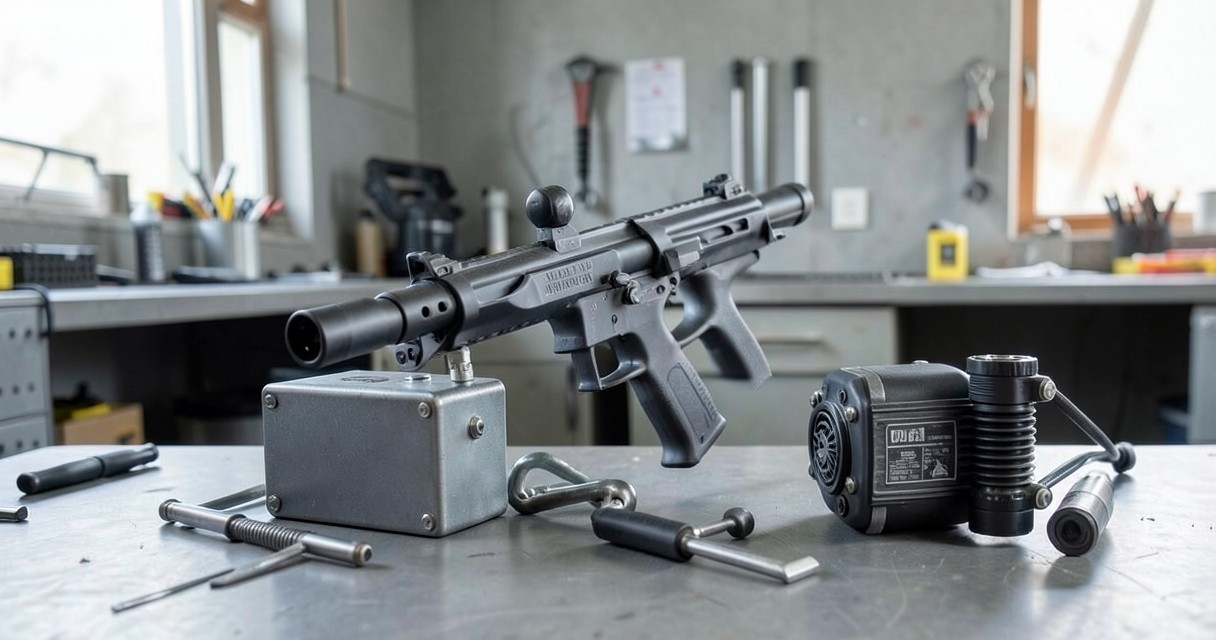
Players should be mindful of their setup, especially during extended gameplay sessions. Regular maintenance, including checking for proper lubrication and ensuring gearbox alignment, can help mitigate heat issues. Additionally, monitoring the motor’s temperature during use can provide insights into whether the selected gear ratio is appropriate for the specific build and play style.
Shimming and Setup: Fine-Tuning Your Gear Ratio
The final dimension to consider when exploring airsoft gear ratios is the importance of proper shimming and setup. Shimming refers to the spacing between gears to ensure smooth operation and minimize friction. Poorly shimmed gears can lead to increased wear, noise, and inefficiency, regardless of the gear ratio chosen. Players should invest time in fine-tuning their setups to achieve optimal performance.
When changing gear ratios, it is often necessary to re-evaluate the shimming to accommodate the new gears. A thorough understanding of the interaction between shimming and gear ratios will enable players to create a well-functioning system that maximizes performance. This attention to detail can be the difference between a reliable airsoft gun and one that struggles during critical moments in gameplay.

I’ve been drawn to the world of firearms and edged weapons ever since I first visited a local shooting range as a teen. I love exploring the history, technology, and responsible use of these tools, and I enjoy sharing insights with fellow enthusiasts.