Airsoft blowback guns strive to mimic the feel of real firearms by moving internal parts each time a shot is fired. This motion, known as blowback, is generated by the rapid release of compressed gas that pushes a piston or slide backward, creating a realistic recoil sensation. Understanding how the blowback mechanism works helps players choose the right platform for their style and maintain the system for consistent performance. The following sections break down the core components, the gas flow, the timing nuances, and the maintenance practices that keep blowback actions reliable on the range.
Core Components of a Blowback Airsoft Gun
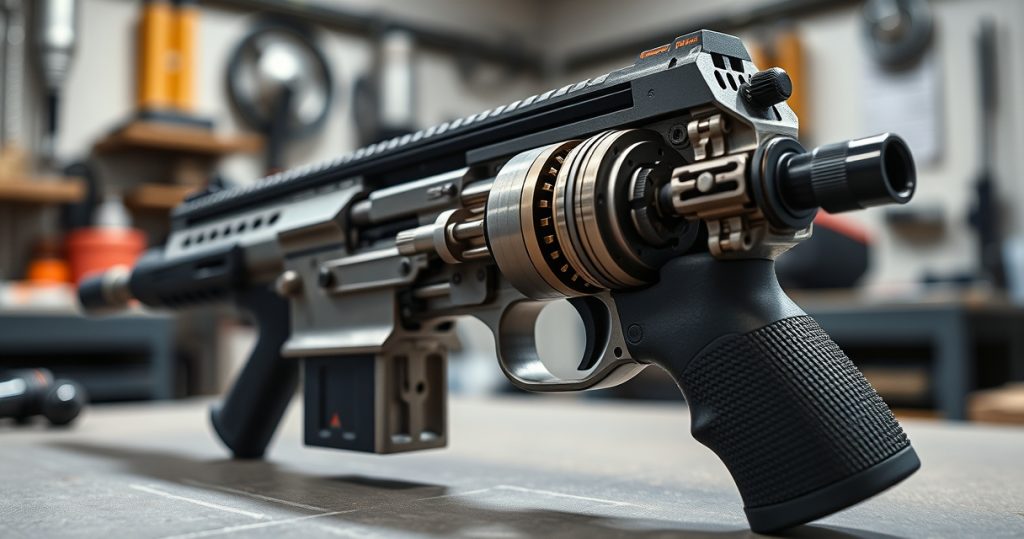
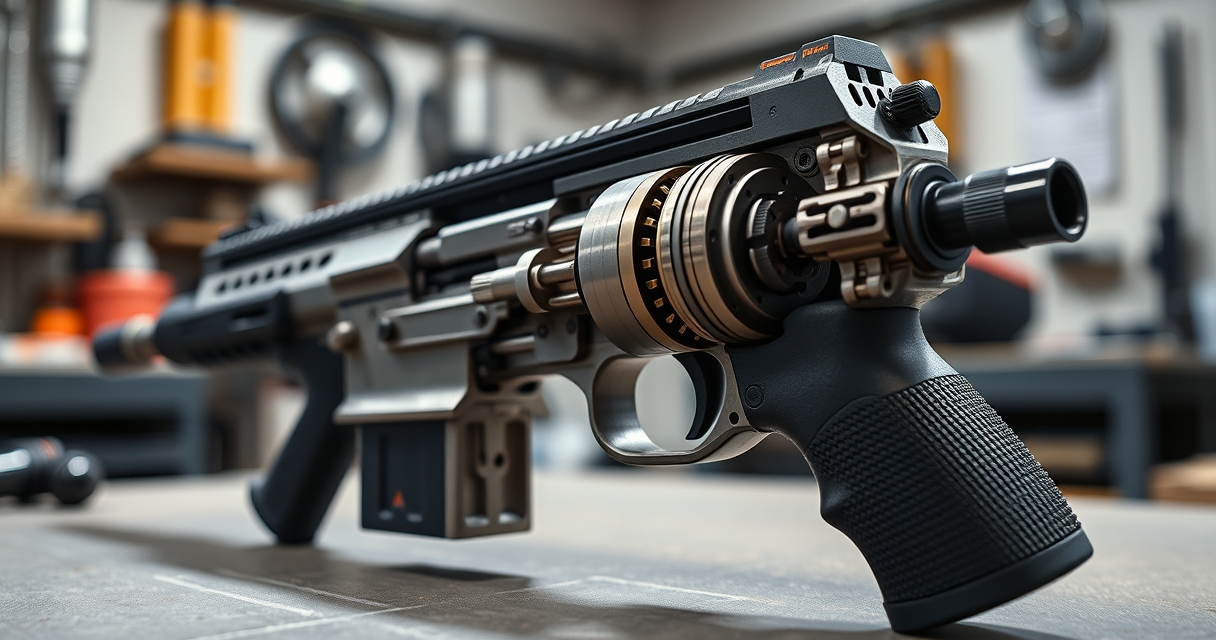
The heart of any blowback system is a piston that sits behind the barrel and a spring that returns it to its forward position. When the trigger is pulled, a valve opens, allowing high‑pressure gas from the magazine to act on the piston. The piston’s rearward travel compresses the spring, which stores energy for the forward reset. In many models the slide or bolt carrier is attached to the piston, so its movement recreates the slide‑racking action familiar from real pistols and rifles. Materials such as aluminum or steel are common for pistons, while springs are typically made from tempered stainless steel to withstand repeated compression.
Another essential piece is the valve block, which regulates the volume of gas that reaches the piston. The valve block contains a small orifice that can be adjusted to change the amount of gas flow, affecting both the force of the blowback and the muzzle velocity. Some manufacturers integrate a hop‑up chamber within the barrel, allowing players to fine‑tune the BB trajectory without altering the blowback function. Together, these components form a self‑contained system that reproduces the tactile feedback of a real firearm while propelling a 6 mm plastic BB at velocities ranging from 250 to 350 feet per second.
How Gas Pressure Drives the Blowback Cycle
When a blowback gun is ready to fire, a sealed cartridge of compressed gas sits in the magazine, typically at pressures between 80 and 120 psi. Pulling the trigger releases a small amount of this gas into the valve block, where it is directed onto the piston’s face. The sudden pressure surge forces the piston rearward, pulling the slide or bolt carrier along with it. This movement not only creates the characteristic “kick” but also opens the breech, allowing the next BB to be loaded from the magazine into the barrel.
As the piston reaches the end of its travel, the spring that was compressed begins to push it forward. The spring’s stored energy drives the piston back to its original position, simultaneously chambering the next round and resetting the valve for the next trigger pull. Because the gas pressure is used both to move the piston and to propel the BB, the system must balance these two demands. Too much pressure can cause excessive recoil and premature wear, while insufficient pressure may result in a weak blowback feel and reduced firing rate.
Timing and Synchronization Between Blowback and Feeding
Effective blowback action depends on precise timing between the piston’s movement and the feeding of the next BB. The valve’s opening duration is calibrated so that enough gas is released to push the piston while still leaving sufficient pressure for the BB to exit the barrel. In many designs the valve includes a small spring that snaps shut quickly, preventing gas from escaping after the piston has moved. This rapid closure also helps maintain consistent muzzle velocity across multiple shots.
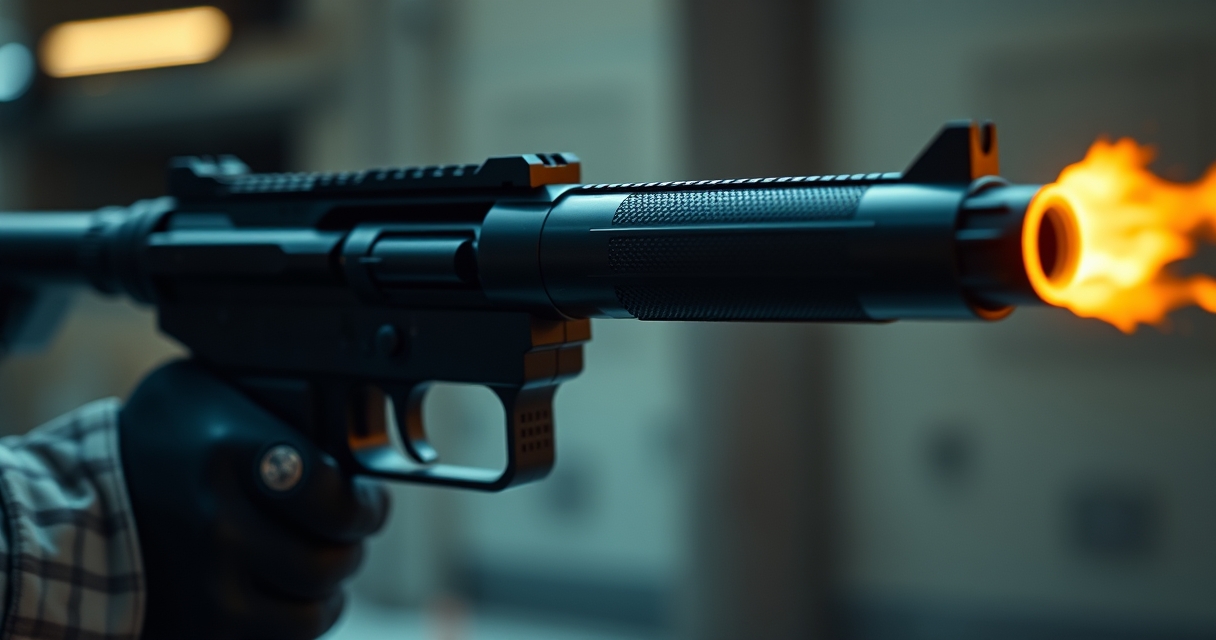
Manufacturers often provide adjustable knobs or screws on the valve block that allow players to fine‑tune the timing. By tightening the adjustment, the gas flow is restricted, which can smooth the recoil but may lower the rate of fire. Loosening the adjustment increases gas flow, giving a sharper kick and higher cyclic rate, but it can also cause the pistol to “jam” if the spring cannot keep up with the rapid motion. Skilled shooters experiment with these settings to match their preferred shooting style and the weight of the BBs they use, typically ranging from 0.20 g to 0.30 g.
Impact of BB Weight and Hop‑Up on Blowback Performance
The mass of the BB directly influences how the blowback system behaves. Heavier BBs require more energy to achieve the same velocity, which can reduce the amount of gas available for the piston’s rearward travel. As a result, a gun shooting 0.30 g BBs may feel softer compared to one using 0.20 g BBs, unless the gas pressure is increased or the spring is upgraded. Many players opt for a combination of moderate‑weight BBs and a well‑tuned hop‑up to maintain both range and realistic recoil.
The hop‑up chamber, positioned just ahead of the barrel’s muzzle, imparts a backspin on the BB as it travels down the barrel. This backspin counteracts gravity, extending the projectile’s flight path. While the hop‑up does not directly affect the piston’s motion, improper hop‑up settings can cause the BB to strike the barrel’s interior unevenly, creating additional friction that the piston must overcome. Adjusting the hop‑up to the correct level ensures smooth feeding, consistent velocity, and a reliable blowback experience.
Maintenance Practices for Longevity and Consistency
Regular maintenance is essential to keep a blowback airsoft gun operating smoothly. After each shooting session, the barrel should be cleaned with a soft cloth and a mild solvent to remove BB debris and any oil residue that could affect the hop‑up. The piston chamber and valve block also benefit from periodic cleaning; a small brush can dislodge carbon buildup that may restrict gas flow. Replacing the spring every 1,000 to 1,500 shots helps maintain the original recoil feel, as springs lose tension over time.
Lubrication plays a critical role in reducing wear on moving parts. A thin layer of silicone‑based oil applied to the piston’s seal and the slide’s contact points prevents metal‑to‑metal friction without attracting dust. Over‑lubricating can cause gas leaks, so a few drops are sufficient. Finally, inspecting the O‑rings for cracks or flattening ensures a tight seal, which is vital for maintaining the pressure needed for both propulsion and blowback. By following these steps, owners can extend the life of their blowback system and enjoy a realistic shooting experience for many years.
Choosing the Right Blowback Platform for Your Play Style
When selecting a blowback airsoft gun, consider the balance between realism, weight, and performance. Pistols that employ a full‑size blowback mechanism often weigh between 1.2 and 1.5 kilograms, delivering a solid feel that mirrors many real‑world handguns. Rifles with blowback systems tend to be heavier, ranging from 3.5 to 5 kilograms, and provide a more pronounced recoil that can enhance tactical role‑play. Players who prioritize high rates of fire may lean toward models with lighter springs and adjustable valves, while those who value authentic recoil may prefer a sturdier spring and a higher gas pressure rating.
Another factor is the type of gas used. Some blowback guns operate on green gas, which contains a small amount of oil for lubrication, while others use pure CO₂ cartridges for consistent pressure regardless of temperature. Green‑gas systems are often easier to maintain, but CO₂ can deliver a steadier performance in colder environments. Understanding these differences allows players to match the gun to the climate of their playing field and the specific tactical scenarios they anticipate.

I’ve been drawn to the world of firearms and edged weapons ever since I first visited a local shooting range as a teen. I love exploring the history, technology, and responsible use of these tools, and I enjoy sharing insights with fellow enthusiasts.