Understanding Airsoft Gun Receivers
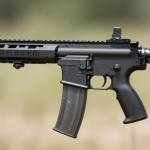
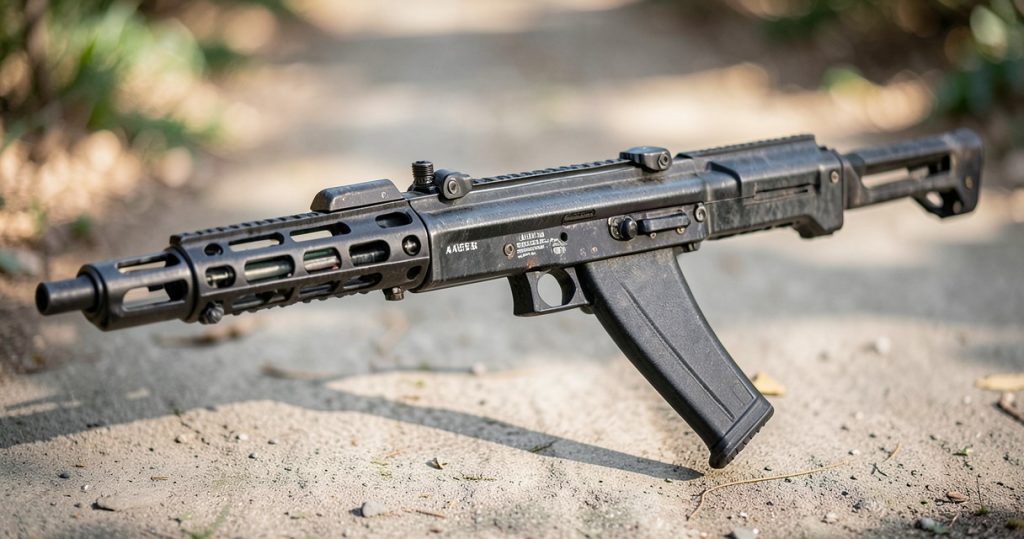
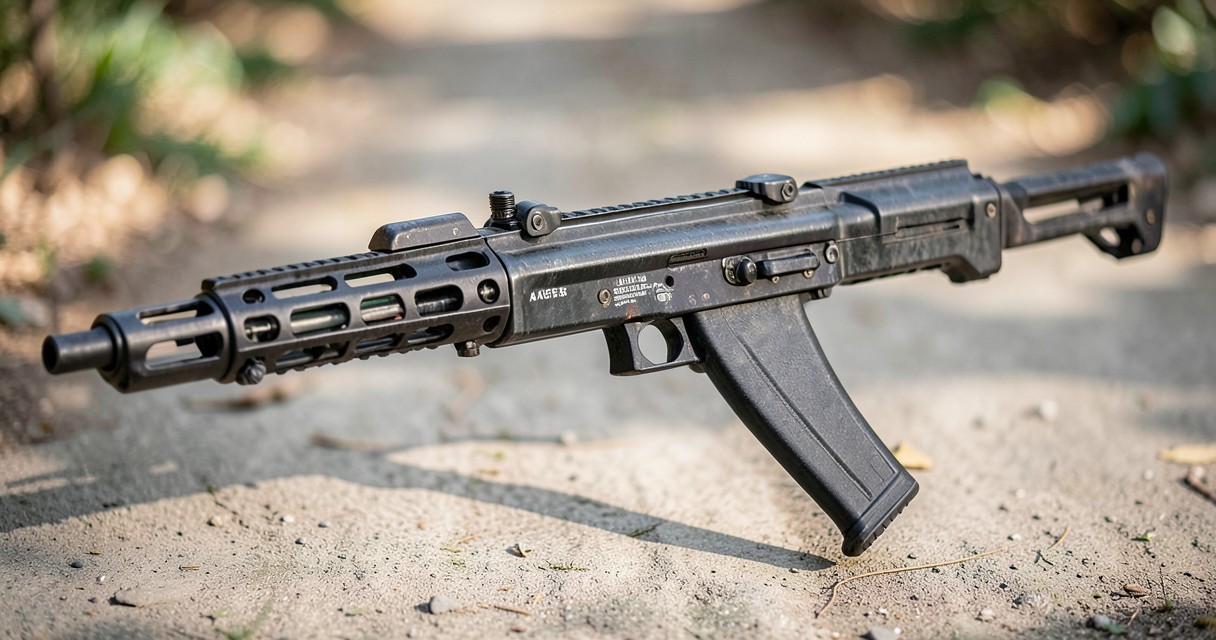
The receiver is a fundamental component of an airsoft gun, serving as the central structure that houses critical internal mechanisms. It plays a vital role in the overall performance and functionality of the replica firearm. Airsoft gun receivers can be constructed from various materials, each impacting durability, weight, and realism. Choosing the right receiver material can enhance the shooting experience and ensure the longevity of the airsoft gun. In this article, we will explore the most common materials used in airsoft gun receivers, their characteristics, and their implications for players and collectors.
Plastic Receivers: Lightweight and Cost-Effective
Plastic receivers are among the most common materials used in entry-level airsoft guns. These receivers are typically made from high-density polymer or ABS plastic, which offers a lightweight option for players. The primary advantage of plastic is its affordability, making it an ideal choice for beginners or those on a budget. While plastic receivers can be less durable than metal counterparts, advancements in technology have led to the development of reinforced plastics that can withstand moderate wear and tear.
Despite being less robust, plastic receivers can still deliver respectable performance in casual gameplay. Their lighter weight facilitates easier handling, especially for novice players who may struggle with heavier replicas. However, it is essential to note that plastic receivers may not provide the same level of realism as metal ones, which can be a drawback for collectors seeking authenticity. Overall, plastic receivers represent a sensible choice for those prioritizing cost and weight over durability.
Aluminum Receivers: A Balance of Strength and Weight
Aluminum receivers are a popular middle-ground option for airsoft guns, providing a balance between weight and durability. Typically made from either 6061 or 7075 aluminum alloys, these receivers are lightweight yet strong enough to withstand the rigors of intense gameplay. The use of aluminum also allows for more intricate designs, enhancing the realism of the airsoft gun.
One of the significant advantages of aluminum receivers is their ability to resist corrosion and deformation, maintaining structural integrity over time. This durability makes aluminum receivers a favored choice among serious airsoft players who engage in frequent skirmishes. While they may be more expensive than plastic options, the investment can be worthwhile for those seeking a reliable and long-lasting airsoft gun. Additionally, the aesthetic appeal of aluminum, often finished with anodizing or other coatings, adds to the overall look and feel of the firearm.
Steel Receivers: The Ultimate in Realism and Durability
Steel receivers represent the pinnacle of authenticity and durability in the airsoft realm. These receivers are often found in high-end replicas, particularly those designed to mimic real firearms closely. Steel offers unparalleled strength and longevity, making it suitable for players who demand the utmost performance from their equipment. The weight of steel receivers adds to the realism, providing a heft that many enthusiasts appreciate.
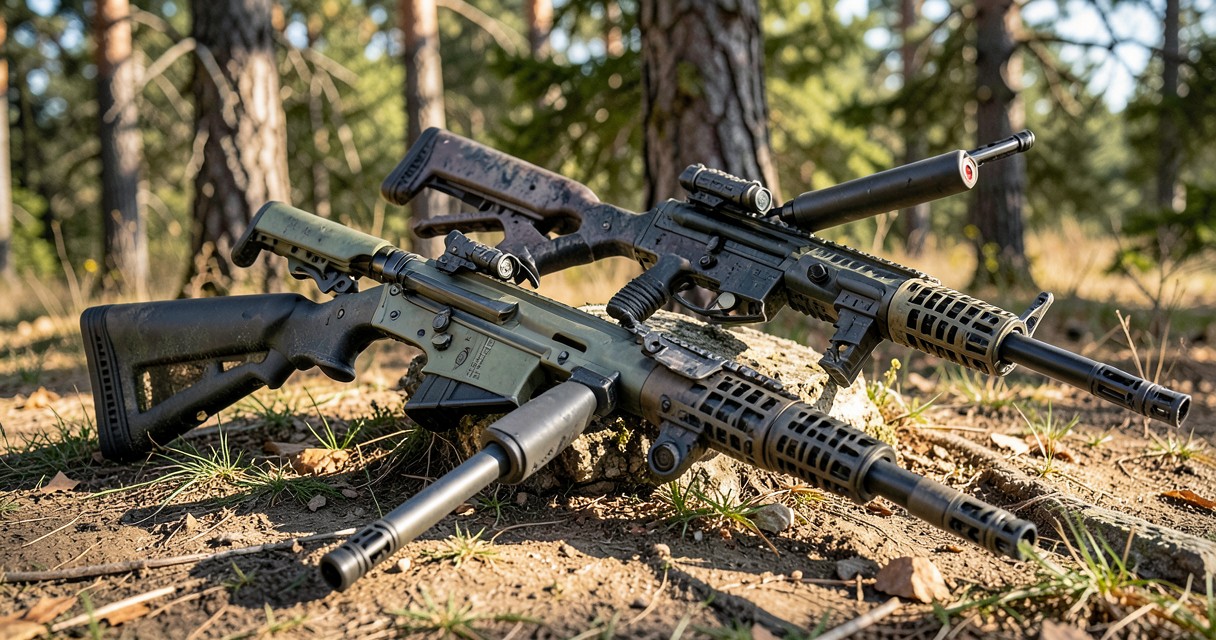
However, the benefits of steel come with a few drawbacks. The increased weight can be a disadvantage for some players, especially during prolonged use. Additionally, steel receivers tend to be significantly more expensive than their plastic or aluminum counterparts. Despite this, for serious collectors and players seeking the most realistic experience, the investment in a steel receiver can be justified. These receivers are often used in gas blowback models, where the realism of operation is paramount.
Hybrid Receivers: Combining the Best of Both Worlds
Hybrid receivers are an innovative solution that combines materials to leverage their respective strengths. Typically, these receivers may feature a plastic body with metal reinforcements or components, striking a balance between weight, cost, and durability. This approach allows manufacturers to produce versatile airsoft guns that cater to a broader audience.
One of the key advantages of hybrid receivers is their adaptability. They can provide the lightweight feel of plastic while incorporating the toughness of metal in critical areas, such as the trigger mechanism or mounting points. This design can significantly enhance the longevity and performance of the airsoft gun without compromising on weight. Players who enjoy a mix of casual play and competitive scenarios may find hybrid receivers to be an excellent choice for their needs.
Impact of Receiver Material on Performance
The material used in an airsoft gun receiver directly affects its performance characteristics. For instance, a plastic receiver may not handle high-stress situations as well as a metal one, leading to potential failures during gameplay. Players need to consider the type of airsoft activities they engage in when selecting a receiver material. For regular skirmishes or competitive play, investing in a more robust aluminum or steel receiver can enhance reliability and performance.
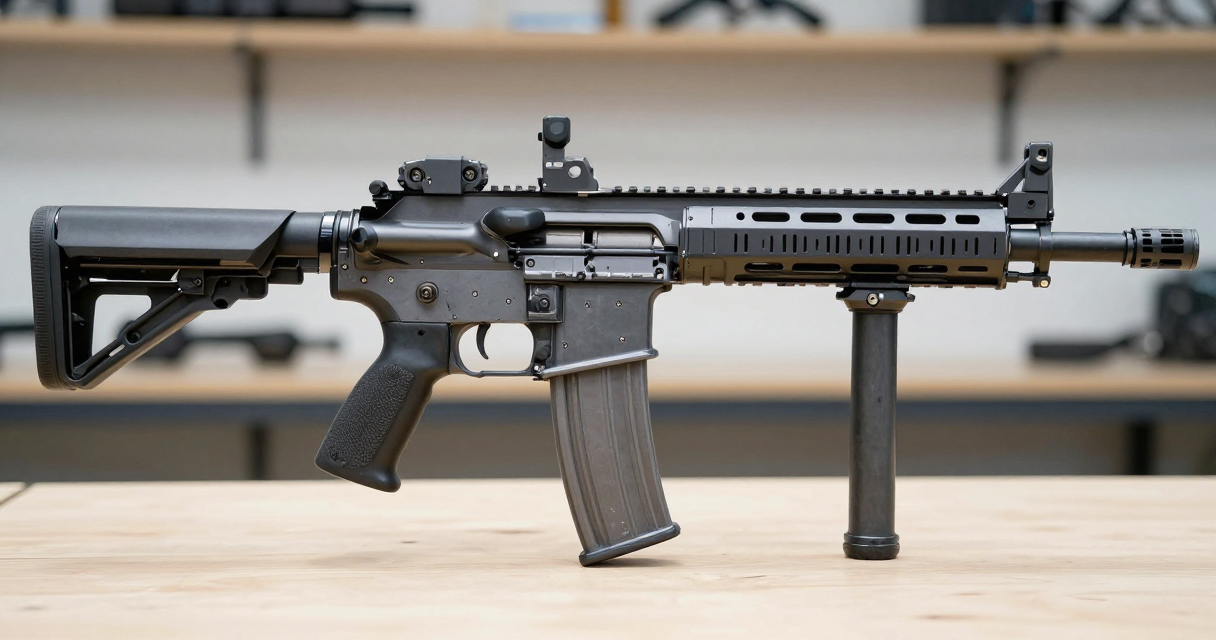
Moreover, the weight of the receiver can influence handling and maneuverability. Heavier receivers may provide a more stable shooting platform but can lead to fatigue over extended periods of gameplay. Conversely, lightweight receivers are easier to handle but may sacrifice some realism and durability. Understanding these dynamics is crucial for players aiming to optimize their airsoft experience.
Maintenance Considerations for Different Receiver Materials
Maintaining airsoft guns with different receiver materials requires specific approaches to ensure longevity and functionality. Plastic receivers, while generally resistant to corrosion, can be susceptible to cracks and scratches. Regular inspections for signs of wear and tear are essential, and players should avoid exposure to extreme temperatures that can affect the material’s integrity.
In contrast, aluminum and steel receivers require different maintenance practices. While they are more durable, they can be prone to scratches and dents, especially if subjected to rough handling. Regular cleaning and the application of protective coatings can help maintain their appearance and prevent corrosion. Players should also ensure that all moving parts within the receiver are lubricated appropriately to ensure smooth operation. Understanding the maintenance needs of different receiver materials can significantly extend the lifespan of an airsoft gun.
Choosing the Right Receiver Material for Your Needs
When selecting an airsoft gun, the choice of receiver material should align with your specific needs and preferences. Beginners may benefit from starting with a plastic receiver, allowing them to familiarize themselves with the sport without a significant financial commitment. As players gain experience and confidence, they might consider upgrading to aluminum or steel receivers for enhanced performance and realism.
Serious players and collectors looking for high-end replicas will likely gravitate towards steel receivers, given their durability and authenticity. However, the weight and cost factors should not be overlooked. Ultimately, selecting the right receiver material involves weighing the pros and cons based on individual priorities, whether that be cost, weight, realism, or durability. This informed decision-making will lead to a more satisfying airsoft experience.

I’ve been drawn to the world of firearms and edged weapons ever since I first visited a local shooting range as a teen. I love exploring the history, technology, and responsible use of these tools, and I enjoy sharing insights with fellow enthusiasts.