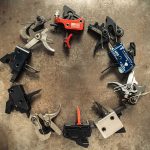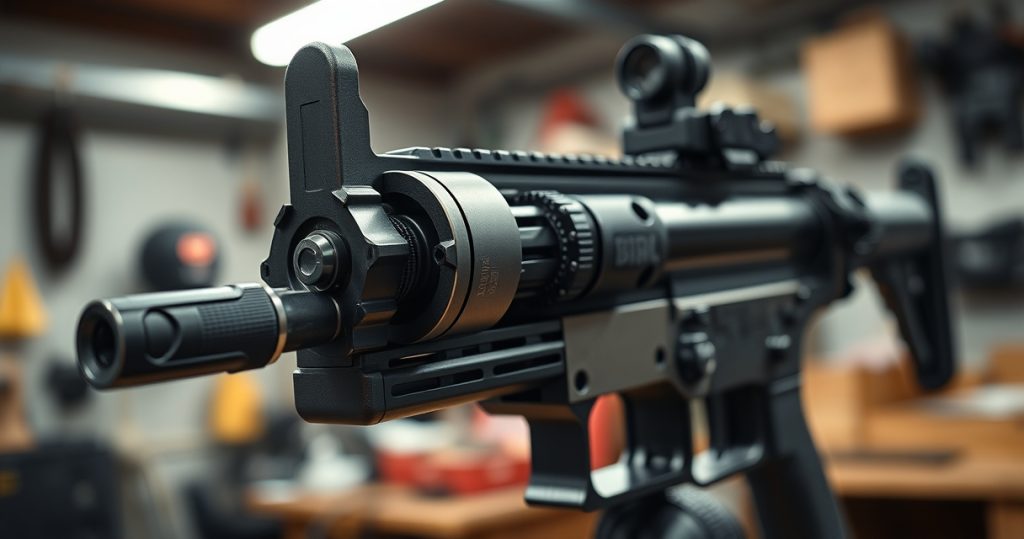
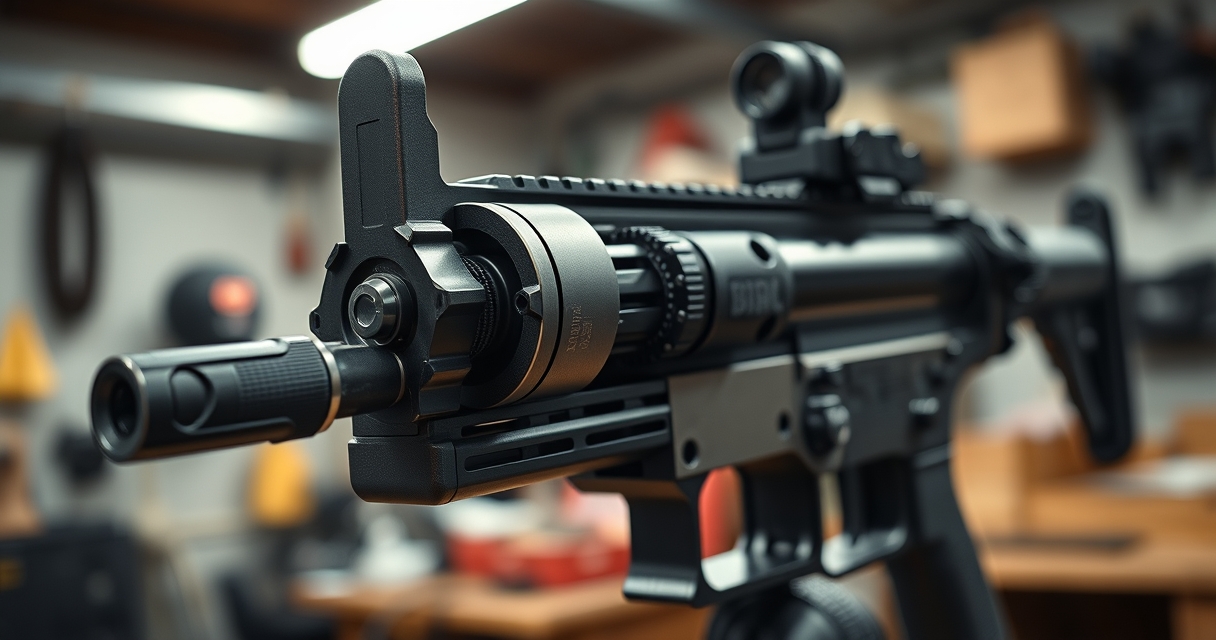
Understanding the mechanics of airsoft trigger systems is essential for any enthusiast looking to enhance their performance on the field. Trigger systems play a pivotal role in determining how quickly and efficiently a player can fire their airsoft gun. From the type of mechanism used to the speed of the trigger response, every detail contributes to a player’s overall experience. This article explores the different types of trigger systems in airsoft guns, focusing on their functionalities, advantages, and the impact they have on gameplay.
What Is Trigger Response?
Trigger response refers to the time taken from when a player pulls the trigger to when a BB exits the barrel. This metric is crucial for competitive airsoft players who rely on quick follow-up shots. A faster trigger response can mean the difference between hitting a target and missing it entirely. In general, spring and gas-operated guns tend to offer the quickest trigger responses. This is because these guns operate mechanically, allowing for immediate action upon triggering. In contrast, Automatic Electric Guns (AEGs) can experience delays due to their reliance on electrical components and gearboxes.
Types of Airsoft Trigger Systems
Airsoft guns feature various trigger systems, which can be categorized mainly into three types: mechanical, electronic, and hybrid systems. Mechanical trigger systems are the simplest, typically found in spring and gas-powered guns. They rely on physical components to initiate firing. Electronic systems, often seen in AEGs, utilize electrical signals to activate the firing mechanism. Hybrid systems combine elements of both mechanical and electronic designs, seeking to leverage the advantages of each. Understanding these types will help players choose the right system based on their needs and preferences.
Mechanical Trigger Systems
Mechanical trigger systems are typically utilized in spring-powered airsoft guns and gas blowback models. In these systems, pulling the trigger physically engages a mechanism that releases a piston or a valve, allowing compressed air or gas to propel the BB. For example, in a spring rifle, the trigger release allows the spring to push the piston forward, creating the necessary pressure to fire. These systems are praised for their simplicity and reliability, making them a favorite among players who prefer a straightforward approach to airsoft.
Electronic Trigger Systems
Electronic trigger systems are a hallmark of AEGs and are designed to offer more versatility and responsiveness. These systems use a combination of sensors and a circuit board to control the firing mechanism. When the trigger is pulled, an electrical signal is sent to activate the motor, which then cycles the gearbox to release the piston. This can significantly reduce trigger response times, especially when paired with advanced components such as MOSFETs. Many players prefer electronic systems for their customizable settings, including options for burst fire and programmable firing modes.
Hybrid Trigger Systems
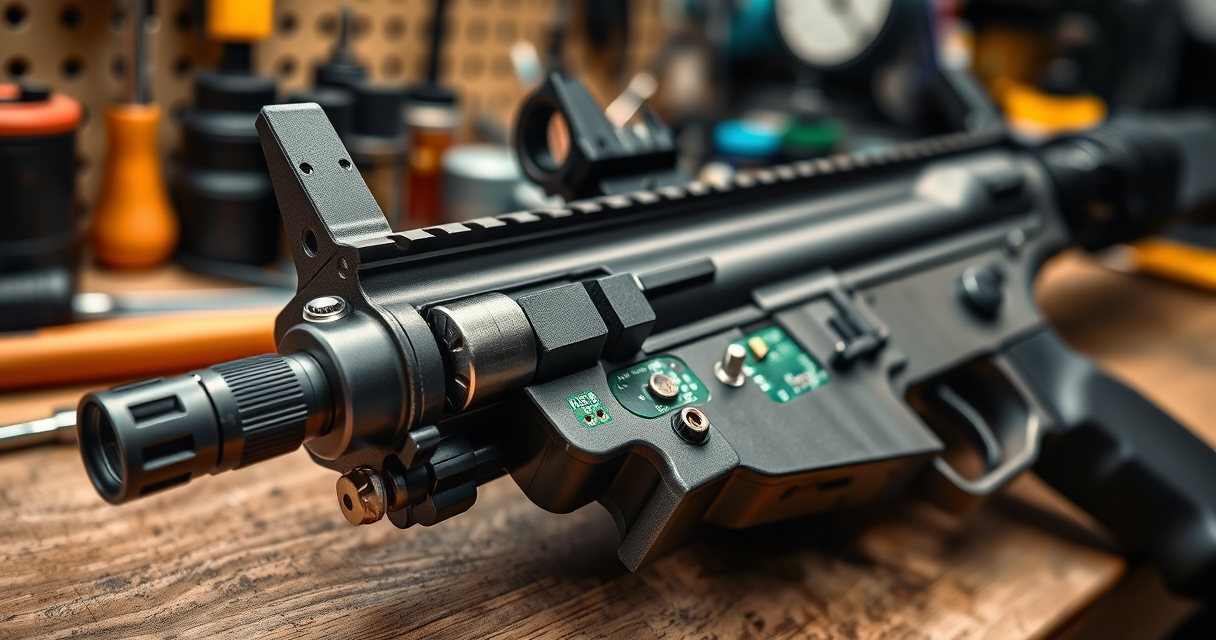
Hybrid trigger systems are increasingly popular in the airsoft community as they combine the best features of mechanical and electronic systems. These systems often utilize a mechanical trigger with electronic components to enhance performance. For instance, a hybrid system may use a mechanical trigger pull to engage an electronic circuit that controls firing rates or modes. This allows for faster trigger response while maintaining the reliability of mechanical systems. Players looking for a balance between speed and reliability often gravitate towards hybrid setups.
Impact of Trigger Systems on Gameplay
The choice of trigger system can dramatically affect a player’s performance in airsoft. A gun with a quick trigger response allows for rapid follow-up shots, which can be crucial in high-pressure situations. Players with mechanical systems may find themselves at a disadvantage against those with electronic trigger systems, especially in competitive settings where speed is paramount. Additionally, the ability to customize electronic systems can lead to a more personalized and efficient shooting experience, allowing players to adapt their guns to their unique play styles.
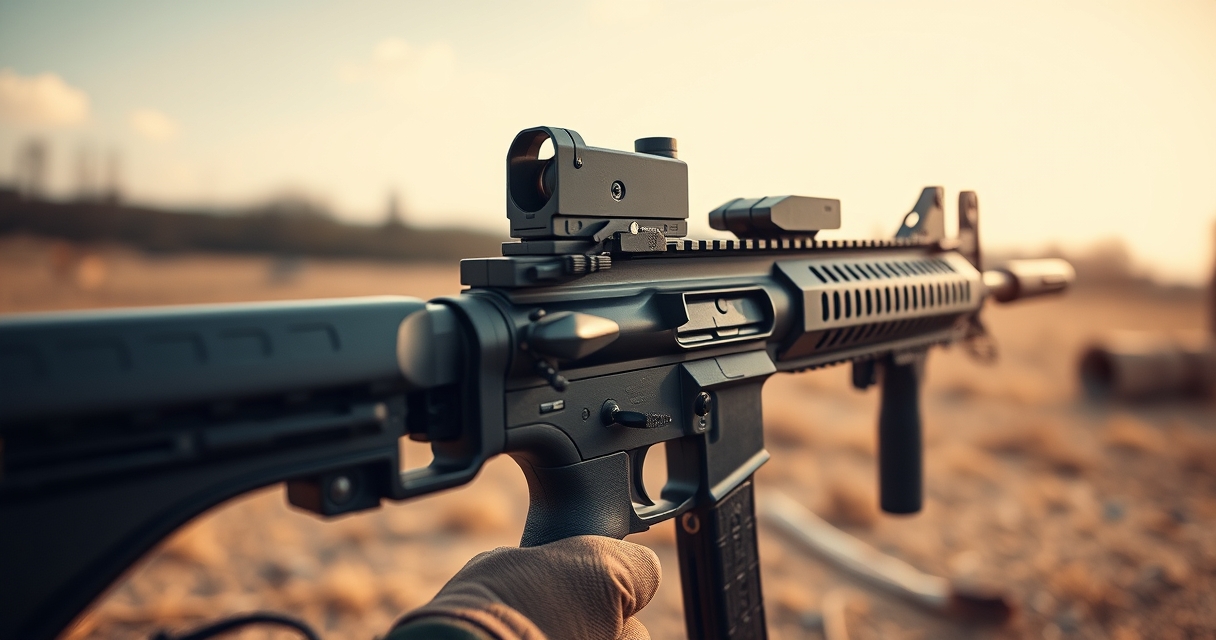
Optimizing Trigger Response
For serious airsoft players, optimizing the trigger response is a crucial aspect of performance. Various modifications can be made to improve the speed and efficiency of a trigger system. For example, upgrading the gearbox in an AEG can significantly reduce the time it takes for the piston to cycle. Adding a MOSFET can also enhance the electrical response, reducing wear on the trigger contacts and improving battery life. Players should also consider the weight and feel of the trigger itself, as a lighter trigger pull can facilitate quicker firing without sacrificing control.
Maintenance of Trigger Systems
Proper maintenance of airsoft trigger systems is essential for ensuring longevity and consistent performance. Regular cleaning and lubrication of mechanical components can prevent wear and tear, while periodic checks of electronic connections can help identify potential issues before they become serious. Players should also be mindful of the type of battery used in electronic systems, as insufficient power can lead to slower trigger response times. By maintaining their trigger systems, players can enjoy reliable performance and avoid disruptions during gameplay.

I’ve been drawn to the world of firearms and edged weapons ever since I first visited a local shooting range as a teen. I love exploring the history, technology, and responsible use of these tools, and I enjoy sharing insights with fellow enthusiasts.