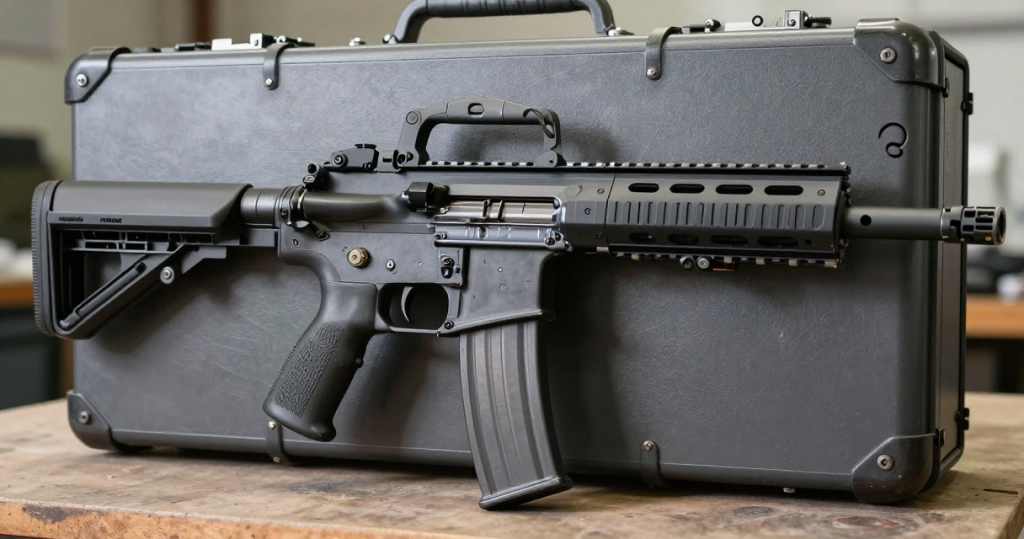
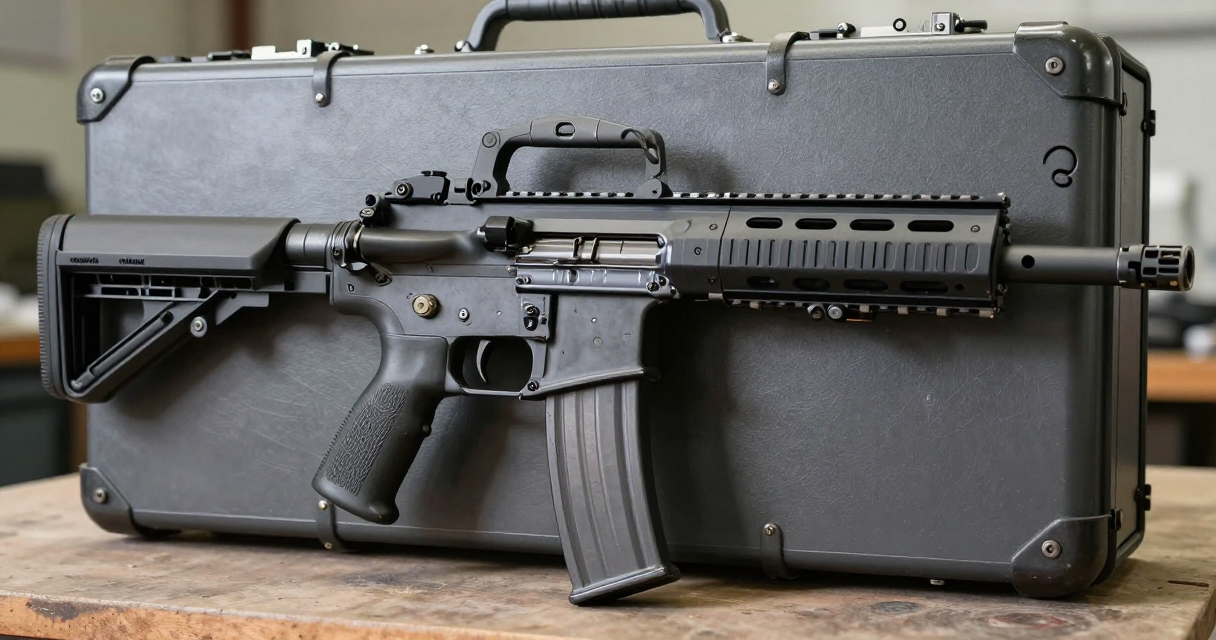
When an airsoft rifle or pistol fires, the inner barrel types are the first components the BB encounters after leaving the hop‑up chamber. Its primary job is to guide the projectile, reduce turbulence, and protect the inner barrel from external damage. A well‑designed outer barrel can add several meters to effective range, improve consistency, and make the platform feel more solid in the hand. Because airsoft battles often involve rapid fire and frequent handling, the outer barrel must balance durability with weight, especially on longer rifles where balance shifts can affect aim. Understanding how each design element contributes to performance helps players choose the right upgrade for their style of play.
Fundamentals of Outer Barrel Function
The outer barrel acts as a protective sleeve around the inner barrel, shielding it from impacts, dirt, and accidental drops. In addition to physical protection, it channels airflow around the inner barrel, which can reduce drag on the BB as it exits the hop‑up chamber. This airflow management becomes more noticeable at higher muzzle velocities, where the pressure wave can destabilize a projectile if the outer barrel is poorly fitted. Many manufacturers claim a “tight fit” improves accuracy, but an overly tight sleeve can cause binding and increase friction, leading to inconsistent shot placement. The ideal balance delivers a smooth passage for the BB while keeping the inner barrel safe from external forces.
Beyond protection and airflow, the outer barrel also serves as a mounting point for accessories such as flash hiders, suppressors, or rail systems. By integrating these components directly into the barrel assembly, manufacturers can maintain a streamlined profile that does not interfere with the weapon’s balance. For players who favor a clean aesthetic, a low‑profile outer barrel that hides internal mechanisms can be a decisive factor. Conversely, tactical users may prefer a barrel that offers quick attachment of muzzle devices, which can be swapped out during a match without tools.
Materials and Construction Techniques
Aluminum alloy remains the most common material for outer barrels, offering a blend of strength, corrosion resistance, and relatively low weight. Common alloys such as 7075‑T6 provide a tensile strength comparable to some steel grades while staying light enough for extended carry. Some premium models incorporate aircraft‑grade aluminum, which is machined to tighter tolerances and often anodized for added durability. Polycarbonate and reinforced polymer barrels are also gaining popularity, especially among budget‑oriented players, because they absorb impacts better than metal but can be prone to warping under prolonged heat exposure.
Manufacturers employ a variety of machining processes, including CNC turning, drilling, and threading, to achieve precise dimensions. High‑end barrels may feature a heat‑treated exterior that resists deformation during heavy use, while the interior surface is polished to a mirror finish to minimize friction. Some producers apply a thin ceramic coating inside the outer barrel, claiming reduced wear and smoother BB travel. The choice of materials and build quality directly influences the barrel’s weight distribution, which can affect recoil feel and overall handling characteristics.
Thread Patterns and Compatibility
Thread standards vary between regions and manufacturers, making compatibility a critical consideration when selecting a barrel. In the United States, a common pattern is the 1‑inch (25.4 mm) outer diameter with a 14‑L‑1 thread pitch, while European models often use a 30 mm outer diameter with a 1.5 mm pitch. Misaligned threads can strip the barrel or prevent secure attachment of muzzle devices, so it is essential to verify the pattern before purchasing accessories. Many aftermarket barrels include interchangeable thread adapters, allowing users to switch between popular standards without swapping the entire barrel assembly.
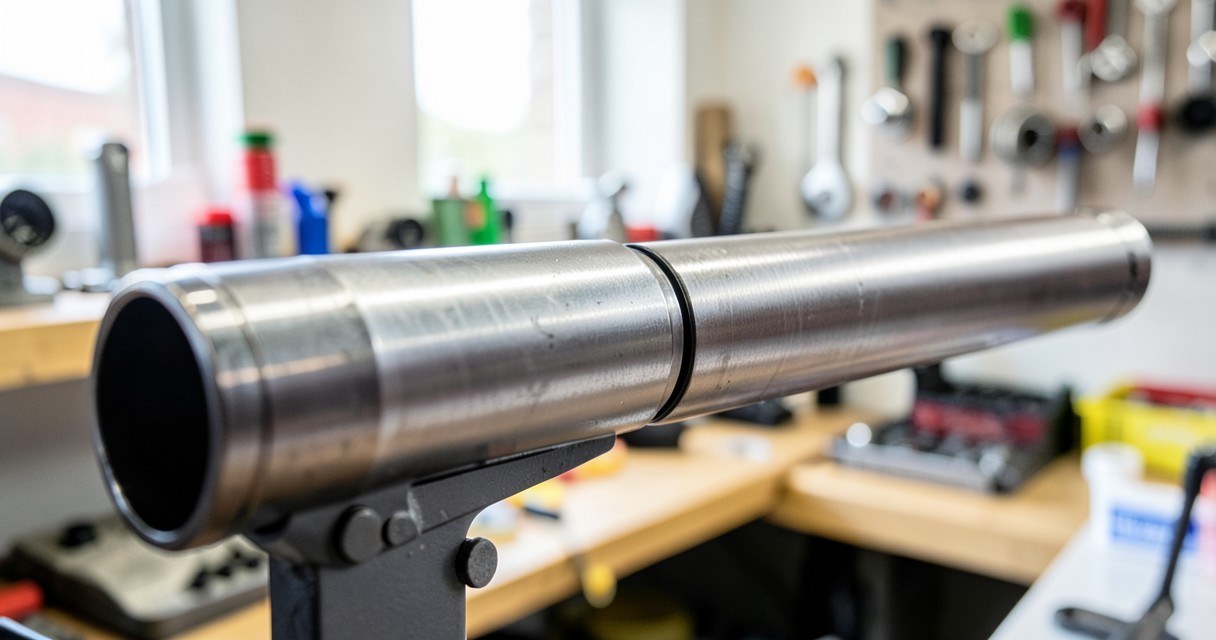
Beyond basic threading, some designs incorporate a quick‑release locking mechanism that uses a lever or cam system to secure the outer barrel to the inner barrel. This feature enables rapid barrel changes during a match, which can be advantageous when switching between close‑quarters and long‑range setups. However, quick‑release systems require precise engineering to avoid loosening under recoil, and they may add a small amount of play that can affect accuracy if not properly maintained.
Internal Geometry and its Effect on Ballistics
The inner diameter of the outer barrel, often referred to as the bore, is typically machined slightly larger than the inner barrel’s bore to allow free movement without excessive play. A common clearance is between 0.3 mm and 0.5 mm, which provides enough room for the inner barrel to expand slightly during rapid fire while still maintaining alignment. If the clearance is too large, the BB can wobble, leading to reduced accuracy and erratic flight paths. Conversely, a clearance that is too tight can cause the inner barrel to bind, especially when the hop‑up unit is adjusted for higher velocities.
Some designers experiment with fluted or ribbed outer barrels, adding longitudinal grooves to the exterior surface. These ribs can reduce overall weight while increasing rigidity, which helps maintain a straight barrel under stress. Internally, a tapered design, narrowing slightly toward the muzzle, can help accelerate the BB by creating a subtle venturi effect, though the benefit is modest at typical airsoft velocities. Manufacturers often test these geometric variations using high‑speed cameras to quantify improvements in muzzle exit velocity and trajectory stability.
Modular Designs and Quick‑Change Systems
Modularity has become a hallmark of modern airsoft platforms, and the tactical gear essentials feature the outer barrel. Systems that allow the barrel to be detached without tools enable players to adapt quickly to different field requirements, such as swapping a longer barrel for open‑field engagements or a shorter one for indoor skirmishes. These modular barrels frequently use a collet or latch mechanism that locks the outer sleeve onto the inner barrel with a firm but reversible grip. The design must balance ease of removal with the need to stay locked during rapid fire, and many manufacturers achieve this by using spring‑loaded pins that engage automatically when the barrel is aligned.
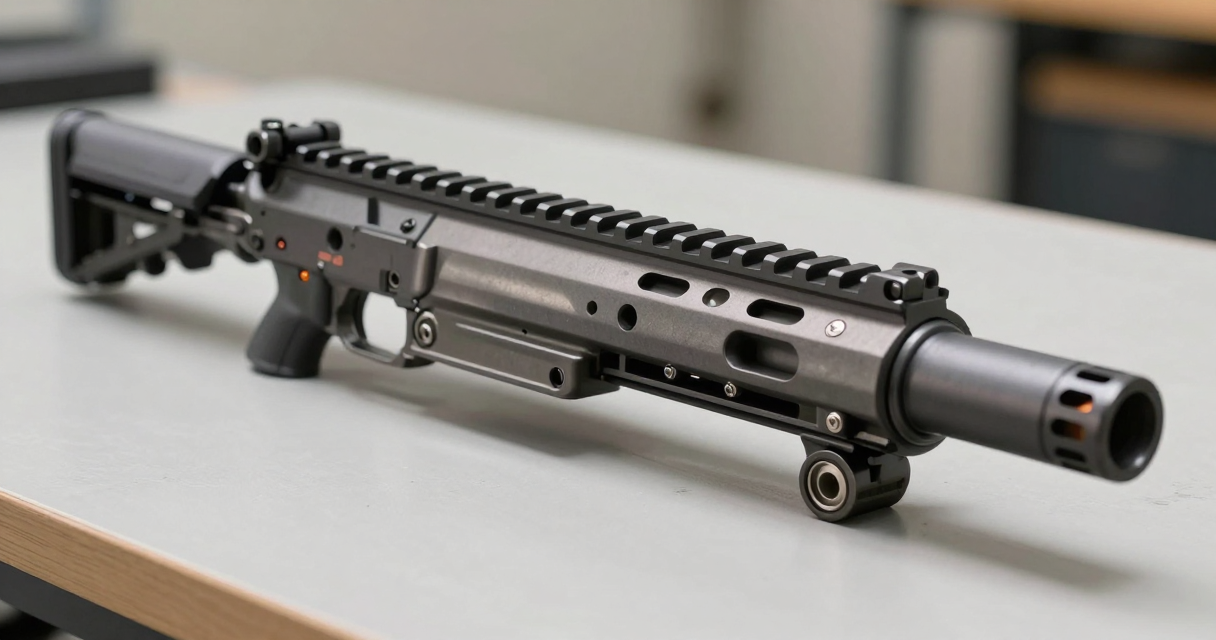
In addition to quick‑change features, modular barrels often incorporate integrated rail sections for mounting optics, foregrips, or additional accessories. This integration reduces the need for separate handguards, streamlining the weapon’s profile and lowering overall weight. Some advanced models even include built-in power‑adjustable hop‑up units within the outer barrel housing, allowing players to fine‑tune BB trajectory without disassembling the gun. Such innovations reflect a trend toward all‑in‑one solutions that enhance performance while simplifying maintenance.
Maintenance, Upgrades, and Legal Considerations
how to maintain an airsoft gun – regular outer barrel maintenance extends its life and preserves accuracy. After each session, players should wipe down the exterior with a soft cloth to remove dust and debris, then inspect the threading for signs of wear. The interior surface, while protected by the inner barrel, can accumulate residue if the hop‑up unit is not properly sealed, so a periodic light cleaning with compressed air is advisable. Lubricating the threads with a thin layer of silicone‑based oil can prevent galling, especially on aluminum barrels that are frequently swapped.
An upgrades overview shows that upgrading the outer barrel is often the most visible way to improve a platform’s performance, but players must stay aware of local regulations governing barrel length and muzzle devices. In some jurisdictions, an outer barrel that exceeds a certain length may be classified differently, potentially requiring additional paperwork or restricting use in public spaces. Manufacturers typically provide documentation indicating compliance with common standards, but it is the player’s responsibility to verify that any modifications meet regional legal requirements before taking the gun to a field or event.

I’ve been drawn to the world of firearms and edged weapons ever since I first visited a local shooting range as a teen. I love exploring the history, technology, and responsible use of these tools, and I enjoy sharing insights with fellow enthusiasts.