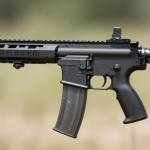

When an airsoft enthusiast talks about “upgrading the barrel,” the conversation is really about the inner tube that guides the BB from the hop-up chamber to the muzzle. This component, hidden beneath the outer barrel, has a direct effect on velocity, accuracy, and the feel of each shot. The inner barrel’s diameter, length, material, and internal geometry each play a part in how efficiently a projectile travels, and choosing the right type can turn a modest platform into a reliable performer. Understanding the nuances of each barrel variant helps players match their gear to the style of play they prefer, whether that means tight‑group target shooting or high‑speed skirmishes. Below we explore the most common inner barrel designs and the practical implications of each.
What the inner barrel actually does
The inner barrel, often called the “tightbore,” is a precision‑machined tube that sits inside the outer barrel and provides a smooth pathway for the BB. As the BB passes through, the hop‑up unit imparts a backspin that stabilizes its flight, and the barrel’s inner surface determines how much friction the projectile encounters. A well‑finished tube reduces drag, allowing the BB to exit the muzzle at a higher speed while maintaining a tight trajectory. Conversely, a rough or oversized bore can cause irregular airflow, reducing both FPS and consistency, which becomes especially noticeable in longer‑range engagements. Because the barrel is a relatively inexpensive part, swapping it out is one of the easiest ways to fine‑tune performance without altering the core internals of the gun.
Beyond simple velocity gains, the inner barrel influences how the hop‑up buckling interacts with the BB. A tighter bore keeps the BB centered, ensuring the backspin is applied evenly across the sphere’s surface. This uniformity translates into tighter groupings on the target and less deviation caused by wobble. In addition, the barrel’s length and any internal features such as ports or twists affect the pressure curve inside the cylinder, shaping the overall feel of each shot. Players who pay attention to these details often notice a more consistent “pop” and can achieve better results with the same ammunition and gas setup.
Standard (regular) inner barrels and their typical dimensions
Standard inner barrels are typically the most common stock fit for many entry-level airsoft rifles and pistols. They usually have an inner diameter of 6.5 mm, which accommodates the standard 6 mm BB while leaving a small amount of clearance. This clearance makes loading easier and reduces the chance of jams when using slightly oversized BBs, a frequent occurrence with cheaper ammo. However, the extra space also introduces a thin layer of air between the BB and the barrel wall, creating friction that can shave off a few meters per second of velocity. For casual players who prioritize reliability over pinpoint accuracy, a regular barrel is often sufficient.
In terms of construction, regular barrels are typically made from either aluminum or polymer, with the latter offering a lighter overall weight. The inner surface is usually polished to a mirror finish, but the tolerance is broader than that of a tightbore, meaning the finish may not be as uniform. Because these barrels are standard issue, they are readily available and inexpensive, making them a popular choice for players who frequently swap guns or need a spare. When paired with a quality hop‑up and consistent ammunition, a regular barrel can still deliver respectable performance, though it will rarely match the crispness of a dedicated tightbore.
Tightbore barrels, why many players prefer a smaller bore
Tightbore barrels shrink the inner diameter to around 6.01 mm, a reduction of roughly 0.5 mm compared to standard tubes. This seemingly tiny change dramatically reduces the air gap around the BB, allowing the projectile to travel with less resistance and higher kinetic energy. In practice, a tightbore can boost FPS by 10 to 15 percent, turning a 350 FPS rifle into a 400 FPS platform without any other modifications. The tighter fit also centralizes the BB, which works hand‑in‑hand with the hop‑up to produce tighter groupings, often improving accuracy by a noticeable margin at 30 meters.
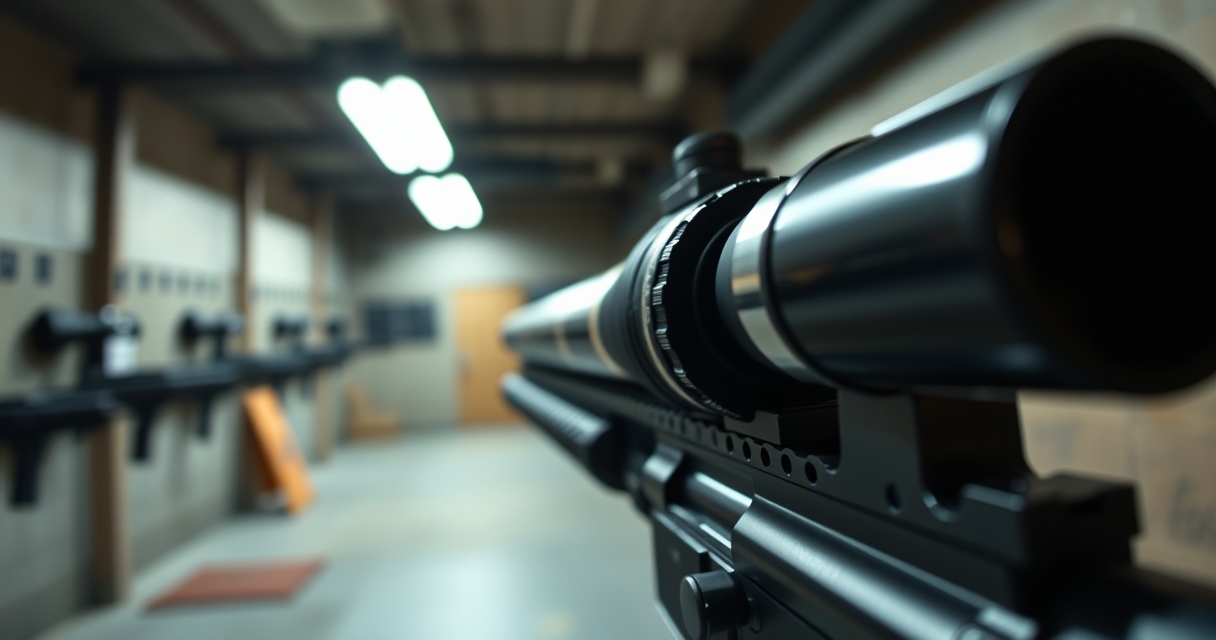
Because the bore is tighter, loading can become a bit more demanding, especially with lower‑quality BBs that vary in diameter. Players often choose premium 0.20 g or 0.25 g BBs to ensure a consistent fit and avoid feeding issues. The trade‑off for the performance gain is a slight increase in weight, as tightbore barrels are usually machined from aluminum or steel rather than polymer. Still, the performance boost justifies the modest price increase for most competitive shooters, and the upgrade is reversible, allowing users to return to a regular barrel if they encounter frequent jams.
Hexagonal and canted barrels, niche options for specific setups
Hexagonal barrels feature an interior shape that resembles a six‑sided prism rather than a round tube. This design forces the BB to align along a single axis, reducing wobble and providing a more stable flight path, especially at high velocities. The hexagonal geometry also helps to keep the BB centered as it passes through the hop‑up, which can translate into a slight accuracy improvement for precision‑oriented players. These barrels are often paired with tightbore diameters to maximize the benefits of both reduced friction and enhanced stability.
Canted barrels, also known as angled barrels, have a slight bend, usually between one and three degrees, near the muzzle. The purpose of this angle is to offset the recoil impulse generated by the gearbox, making the gun feel more balanced during rapid fire. In practice, a canted barrel can reduce muzzle climb, allowing players to maintain tighter aim during sustained bursts. While the performance gains are subtle, many seasoned players appreciate the ergonomic advantage, especially in AEGs that tend to pull upward when firing in full‑auto mode. Both hexagonal and canted barrels are specialized accessories, and their impact is most evident when combined with a quality hop‑up and consistent ammunition.
Ported barrels, managing muzzle blast and consistency
Ported barrels incorporate a series of small holes or slots along the length of the inner tube, allowing a controlled amount of air to escape as the BB travels through. This venting reduces the pressure buildup behind the projectile, which can help smooth out the recoil and diminish the audible “pop” often heard with high‑FPS setups. For players who operate in indoor or noise‑sensitive environments, a ported barrel can make the experience more pleasant without sacrificing too much velocity.
The trade‑off for reduced muzzle blast is a modest drop in FPS, typically around 5 to 10 percent compared to an identical non‑ported barrel. However, the consistency of each shot often improves, as the venting helps to equalize the pressure curve across multiple firings. This consistency can be valuable for players who rely on precise timing and predictable performance, such as those using sniper rifles or designated marksmen roles. Ported barrels are usually made from aluminum and can be found in both regular and tightbore diameters, giving users flexibility to choose the balance between noise reduction and raw power.
Material choices, aluminum, steel, polymer and their impact on durability
Aluminum is the most prevalent material for inner barrels, offering a good balance between weight, strength, and heat dissipation. An aluminum barrel can withstand the repeated friction of high‑velocity BBs without warping, and its thermal conductivity helps to keep the barrel cool during extended firing sessions. The machining process for aluminum also allows for tight tolerances, making it ideal for both regular and tightbore designs. For most players, an aluminum barrel provides reliable performance without adding excessive weight to the overall gun.
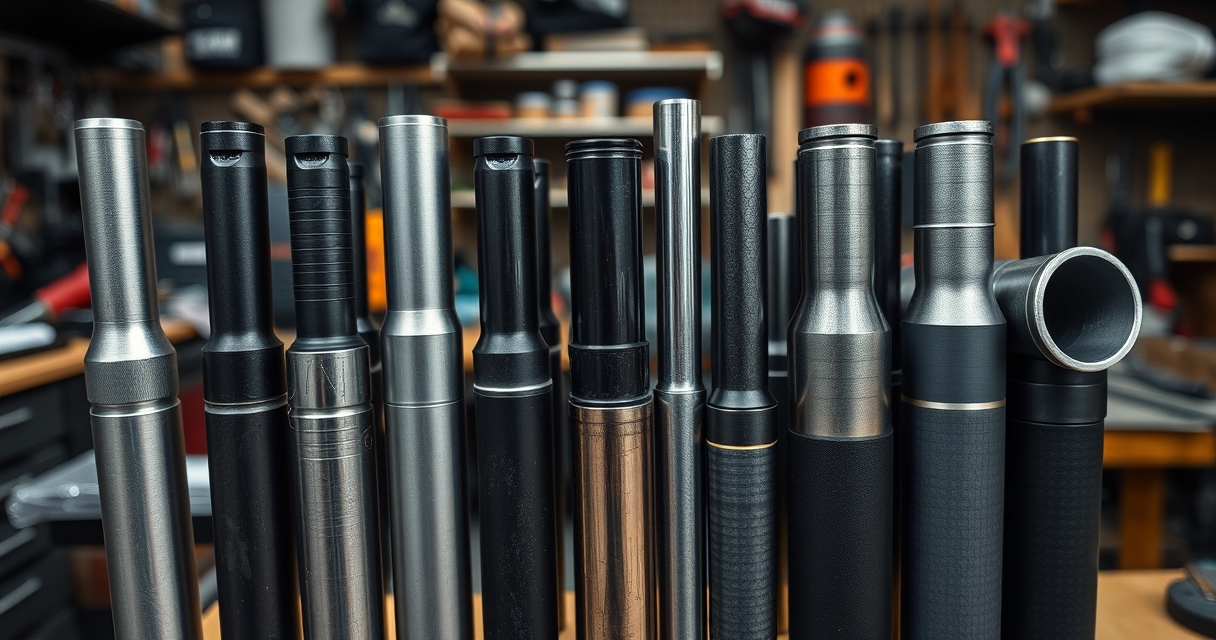
Steel barrels are heavier but exceptionally durable, resisting wear and deformation even after thousands of shots. The increased mass can be a drawback for lightweight platforms, but the added stability can improve accuracy by reducing barrel vibration. Steel is often chosen for custom builds or for players who prioritize long‑term durability over portability. Polymer barrels, on the other hand, are the lightest option and are typically found on budget‑friendly models. While they reduce the overall weight of the gun, polymer can be prone to cracking under high‑heat conditions, making them less suitable for high‑FPS setups. Understanding these material differences helps players select a barrel that aligns with their performance goals and the environments in which they play.
Length considerations, how barrel length influences velocity and accuracy
Barrel length is a critical factor that interacts with inner diameter to shape a gun’s performance. Longer barrels, generally 500 mm or more, allow the BB more time to accelerate under the pressure of the gas, often resulting in higher FPS. However, beyond a certain point, the gains diminish as friction begins to outweigh the benefits of additional acceleration, especially if the barrel’s interior is not perfectly smooth. For most AEGs, a barrel length between 350 mm and 450 mm offers a sweet spot, delivering solid velocity while keeping the overall gun length manageable for tactical movement.
Shorter barrels, commonly found on compact pistols and CQB rifles, sacrifice some velocity for improved maneuverability. In close‑quarters scenarios, the reduced length can actually enhance accuracy because the BB has less distance to deviate from its intended path. When paired with a tightbore or hexagonal interior, even a 250 mm barrel can produce respectable performance, especially when using heavier BBs that maintain momentum over short distances. Ultimately, choosing the right barrel length depends on the player’s preferred engagement range and the specific role they intend to fill on the field.

I’ve been drawn to the world of firearms and edged weapons ever since I first visited a local shooting range as a teen. I love exploring the history, technology, and responsible use of these tools, and I enjoy sharing insights with fellow enthusiasts.