Introduction to AEG and GBB Airsoft Guns
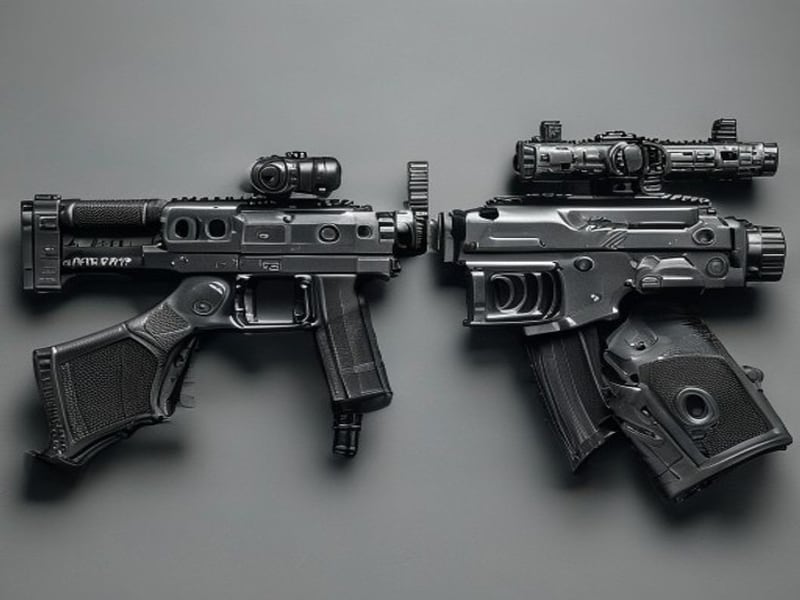
Airsoft guns have become an integral part of the airsoft sport, attracting enthusiasts from around the world who enjoy realistic, tactical gameplay. Among the many types of airsoft guns available, two of the most popular categories are AEG airsoft and GBB airsoft. Understanding the airsoft guns basics is essential for players when choosing the right equipment to suit their playstyle and needs.
AEG airsoft, which stands for Automatic Electric Gun, is powered by a rechargeable battery that drives an electric motor to compress a spring and fire BBs. These guns are known for their consistent performance, ease of use, and relatively low maintenance, making them a favorite choice for beginners and seasoned players alike. AEG models often provide semi-automatic and fully automatic firing modes, allowing for versatility in various game scenarios.
On the other hand, GBB airsoft, or Gas Blowback airsoft guns, operate using compressed gas — typically green gas, propane, or CO2 — to propel BBs while also cycling the slide or bolt to replicate the recoil action of real firearms. This feature offers a realistic shooting experience, with the added tactile feedback of blowback motion. GBB airsoft guns are preferred by players who value realism, authenticity, and the satisfying mechanical feel during play.
Both AEG and GBB airsoft guns have established loyal followings within the airsoft community. AEGs are appreciated for their reliability, durability, and ability to perform well in various weather conditions, while GBBs attract players seeking realism and a more immersive shooting experience. The decision between the two often comes down to personal preference, budget, and the specific demands of different game types.
In summary, mastering the airsoft guns basics involves understanding the fundamental differences between AEG and GBB airsoft guns. Whether you are drawn to the dependable functionality of AEGs or the authentic blowback action of GBBs, both types offer unique advantages that enhance the excitement and enjoyment of airsoft gameplay.
Mechanical Differences Between AEG and GBB
When comparing AEG mechanics with GBB mechanics, understanding their distinct internal workings is essential. Both airsoft gun types utilize different airsoft gun internal parts and power sources, resulting in varied performance characteristics and user experiences. These mechanical differences define how each gun operates, shoots, and maintains.
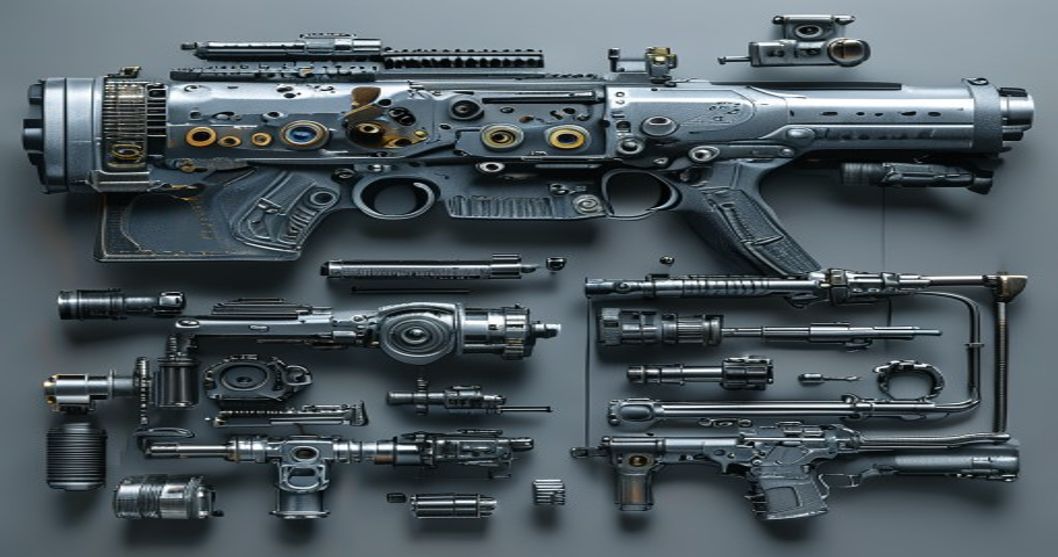
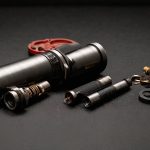
AEG, or Automatic Electric Guns, employ a battery-powered electric motor as their primary power source. The energy from the battery drives a series of gears inside the gearbox, one of the main airsoft gun internal parts in AEG mechanics. This gearbox compresses a spring, which, when released, propels the piston forward, generating the force to fire the BB through the barrel. This entire firing cycle is triggered by an electronic trigger switch, providing consistent firing rates and easing reliability concerns related to environmental conditions.
On the other hand, GBB, or Gas Blowback guns, rely heavily on compressed gas—commonly green gas, CO2, or propane—as their power source. The core of GBB mechanics revolves around a gas reservoir and a valve system. When the trigger is pulled, the valve releases a controlled burst of gas, pushing the BB down the barrel while simultaneously cycling the slide or bolt to replicate realistic recoil and blowback. This mechanism includes intricate airsoft gun internal parts such as seals, valves, and hammers, which work in unison to manage gas flow and ensure proper functioning with each shot.
The key distinction in firing mechanisms is the method of energy storage and release. AEG mechanics utilize a motor to gradually build spring tension before a sudden release, while GBB mechanics depend on high-pressure gas that instantly delivers propulsion and cycling action. This fundamental contrast is reflected in the different maintenance requirements and operational behaviors of these guns. AEGs are typically more tolerant of temperature variations, whereas GBBs can be more sensitive due to their gas systems and seals.
In summary, the mechanical differences between AEG and GBB extend beyond mere power sources. AEG mechanics involve electrical components, gear-driven piston systems, and battery reliance, whereas GBB mechanics leverage compressed gas, valves, and blowback systems that mimic real firearm actions. Understanding these internal distinctions helps players select the appropriate airsoft gun type for their style of play, maintenance preferences, and performance expectations.
Power Source and Operation
When comparing AEG and GBB airsoft guns, one of the most significant differences lies in their power sources and operation systems. AEG, or Automatic Electric Guns, are powered by rechargeable AEG batteries that provide consistent and reliable energy for each shot. This battery-powered mechanism allows for a high rate of fire and steady performance during extended gameplay without frequent pauses for reloading or recharging.
In contrast, GBB, or Gas Blowback guns, utilize gas power derived from compressed green gas, CO2, or propane. This gas power system not only propels the BB but also creates a realistic blowback recoil effect, simulating the operation of real firearms. However, the gas power is dependent on ambient temperature and gas capacity, which can influence the gun’s performance and the number of shots per fill.
The differing power sources directly impact airsoft gun operation and gameplay. AEG battery-driven guns tend to offer more consistent firing rates and are less influenced by environmental conditions, making them ideal for longer skirmishes or competitions. On the other hand, GBB gas power adds an immersive and tactical element with its realistic blowback and trigger feel but requires players to manage gas levels and can sometimes result in lower reliability in colder weather.
Understanding these distinctions helps airsoft enthusiasts choose the gun that best matches their play style, whether they prioritize the steady operation of AEG batteries or the authentic experience provided by GBB gas power.
Maintenance and Durability
When comparing AEG durability and GBB upkeep, it’s essential to consider the distinct maintenance routines each airsoft gun type demands. AEGs, or Automatic Electric Guns, generally require less frequent airsoft gun maintenance due to their electric-powered internal systems. Their robust gearbox and consistent motor allow for longer operational periods between tune-ups, making AEGs favorable for players seeking a reliable and durable option.
On the other hand, GBBs—or Gas Blowback guns—call for more intensive upkeep. The gas-powered mechanism necessitates regular lubrication and careful attention to seals and valves to maintain performance and prevent leaks. While GBB upkeep requires extra effort, the advantage lies in their realistic blowback action and external durability. However, exposing GBBs to harsh weather conditions without proper maintenance can lead to quicker wear and tear compared to AEGs.
In terms of overall durability, AEG durability typically surpasses that of GBBs because electric internals tend to endure rough usage and environmental factors better. AEGs are often built with reinforced materials that withstand drops and impacts. Meanwhile, GBBs, although constructed with quality parts, depend heavily on routine maintenance to preserve their operational integrity and longevity.
Ultimately, players prioritizing ease of maintenance and long-lasting durability may lean towards AEGs, while those willing to commit to more detailed upkeep can enjoy the realistic feel and performance of GBBs. Understanding these differences in airsoft gun maintenance routines will help in choosing the right platform for your gameplay style.
Performance and Realism Comparison
When comparing AEG vs GBB performance, several key factors come into play, including rate of fire, accuracy, and overall realism. Both Automatic Electric Guns (AEGs) and Gas Blowback (GBB) airsoft guns offer unique advantages that cater to different player preferences and operational styles on the field.
In terms of rate of fire, AEGs generally outperform GBB models due to their electric motor-driven systems. AEGs can maintain a consistent and rapid rate of fire without the cooldown or gas limitations faced by GBB guns. This makes AEGs especially effective in situations requiring sustained fire, such as suppressive tactics or close-quarters combat. Conversely, GBBs rely on compressed gas, which can deplete quickly under heavy firing, thus limiting their continuous rate of fire.
When assessing accuracy, both AEG and GBB airsoft guns can deliver excellent performance, but the mechanics influence consistency. AEGs typically benefit from a stable and regulated motor system that ensures uniform velocity with each shot, enhancing overall shot grouping. GBBs, however, can vary slightly in velocity due to gas pressure fluctuations caused by temperature or gas levels, occasionally impacting precision. Nonetheless, many GBBs offer a realistic recoil effect that can aid players in developing more refined shooting techniques.
Airsoft gun realism is where the GBB models often take the lead. The realistic blowback action, combined with authentic trigger response and recoil, closely mirrors the experience of firing a real firearm. This tactile feedback enhances immersion and provides training benefits for users wanting a genuine shooting feel. AEGs, while reliable and robust, generally lack the true-to-life mechanical feedback found in GBB systems, making their shooting experience feel more mechanical and less natural.
Trigger response also distinguishes these two platforms. GBB guns typically offer a more immediate and crisp trigger pull due to their mechanical gas system, which translates to a faster lock time and more responsive shot release. AEG triggers, controlled by electronic components, can sometimes feel less sensitive or slightly delayed, although high-end AEGs have improved in this aspect significantly. For players prioritizing a realistic shooting experience, trigger response is often a critical consideration when choosing between AEG and GBB models.
In summary, the AEG vs GBB performance debate centers on the balance between sustained shooting capability and realistic shooting dynamics. AEGs excel in consistent rate of fire and reliable accuracy, making them ideal for players focused on performance and versatility. GBBs, meanwhile, shine in delivering unmatched airsoft gun realism and trigger response, catering to enthusiasts who value the authentic feel and tactical immersion of airsoft gameplay.
Cost and User Suitability
When comparing AEG price and GBB price, it’s clear there are notable differences that influence both initial investment and operational costs. AEGs, or Automatic Electric Guns, typically come at a more affordable price point. This makes them an attractive option for players who are budget-conscious or just entering the airsoft scene. While the entry cost for an AEG can vary widely depending on brand and features, they generally cost less than GBBs, making the initial investment easier on most players’ wallets.
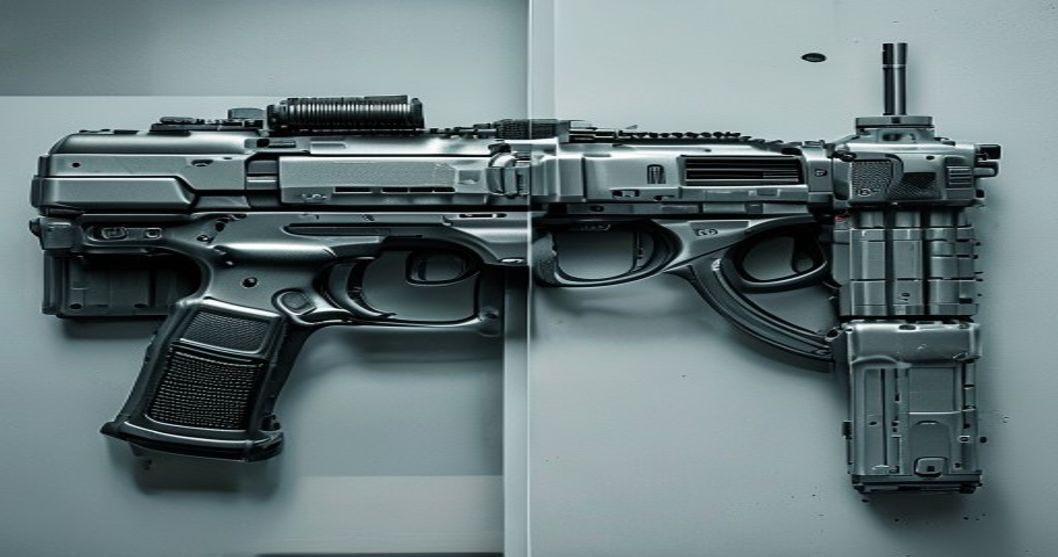
In contrast, GBBs, short for Gas Blowback guns, often require a higher upfront expenditure. The GBB price reflects their complex internal mechanisms, which deliver more realistic recoil and blowback action. This enhanced realism, however, comes with the trade-off of increased maintenance and higher ongoing costs. Users must factor in the price of gas, replacement parts, and occasional repairs when considering a GBB.
Operational costs also differ significantly between the two types. AEGs operate on rechargeable batteries, which generally result in lower long-term expenses. The cost of electricity for charging and battery replacements is minimal compared to the recurring expenses of fueling a GBB with green gas or CO2. On the other hand, GBBs not only consume gas but may also require more frequent maintenance due to their intricate moving parts. This results in higher operational costs over time.
When determining the best airsoft gun for beginners, AEGs often hold the advantage. Their affordability, ease of use, and lower upkeep make them ideal for new players learning the basics of airsoft gameplay and gun maintenance. The reliable performance and simple mechanics help beginners focus on honing their skills without the added concern of complex gas systems or frequent repairs.
GBBs generally suit more experienced players who value realism and are comfortable with the additional care these guns require. Intermediate to advanced players often appreciate GBBs for their realistic recoil and cycling, which can enhance tactical immersion on the field. These players are usually ready to invest the time and money necessary to maintain their guns and optimize performance.
In summary, if budget and ease of use are your priorities, AEGs offer a more cost-effective and user-friendly option. For those seeking authenticity and don’t mind higher costs or maintenance, GBBs provide a premium airsoft experience. Understanding these cost and suitability factors will help players choose the best airsoft gun that aligns with their skill level and financial capabilities.

I’ve been drawn to the world of firearms and edged weapons ever since I first visited a local shooting range as a teen. I love exploring the history, technology, and responsible use of these tools, and I enjoy sharing insights with fellow enthusiasts.