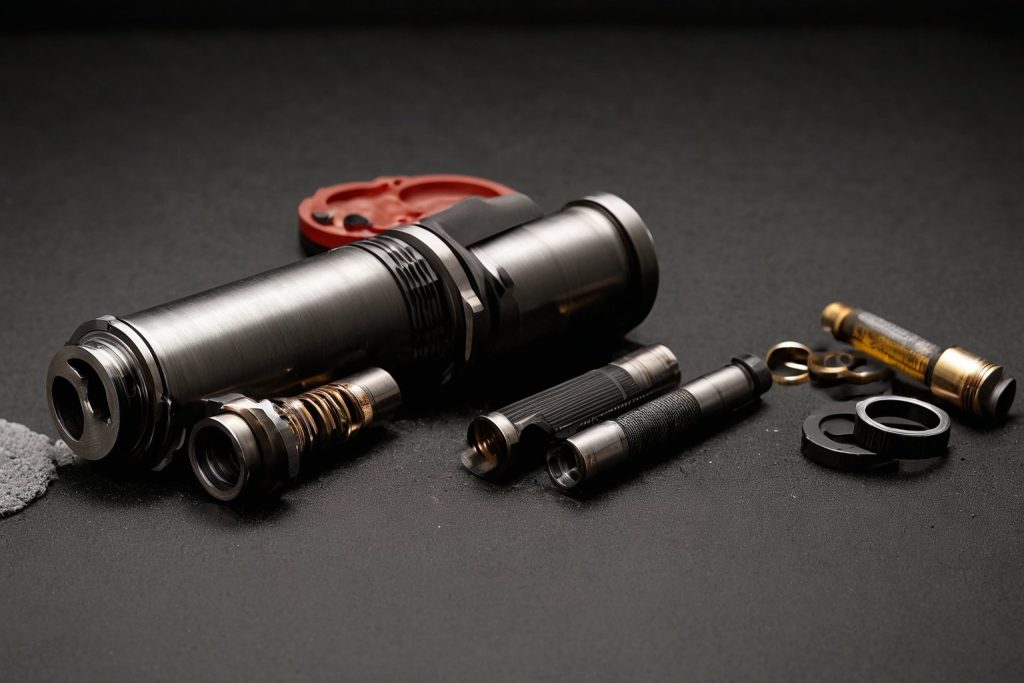
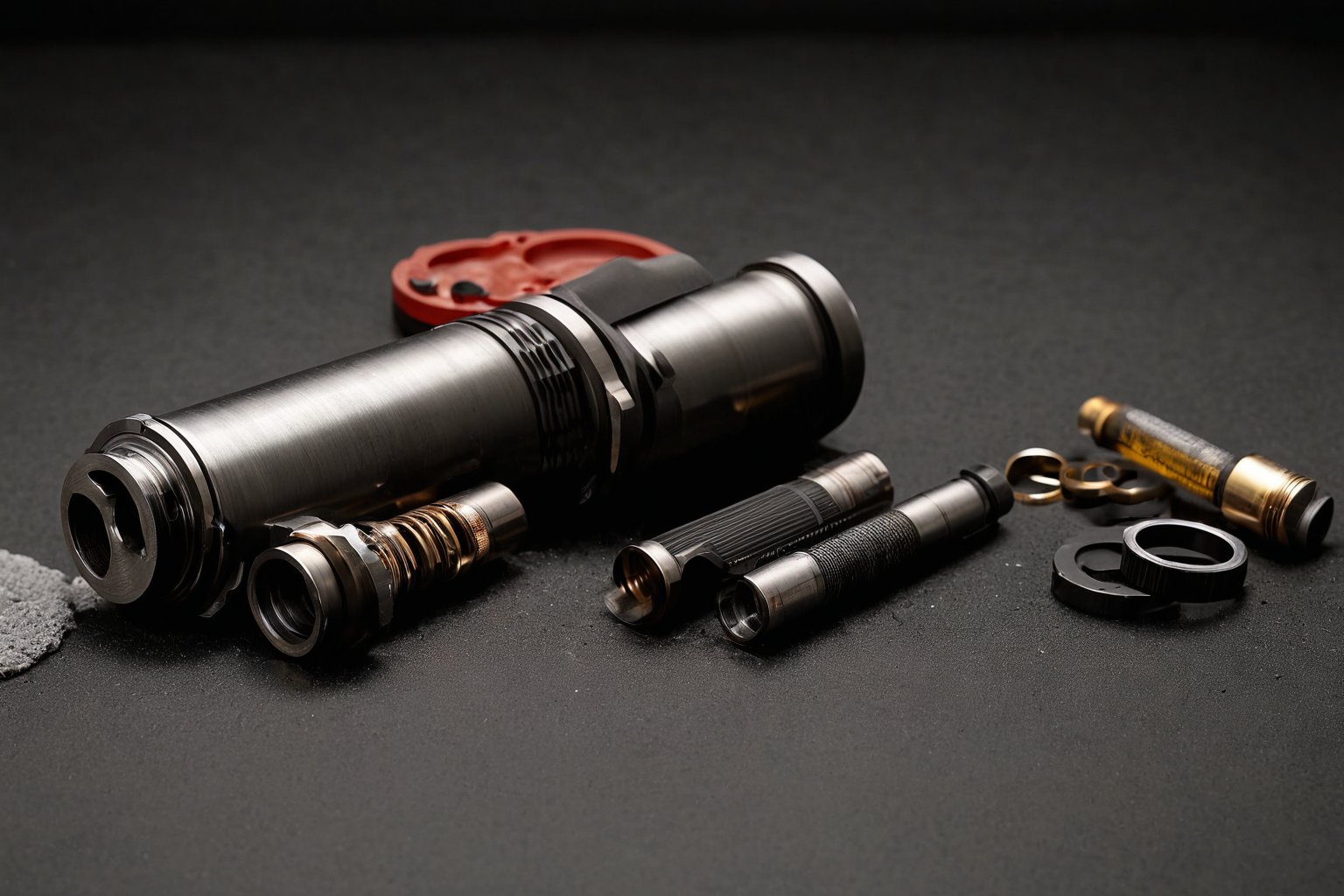
Airsoft guns are precision instruments where even the smallest details, like the O-rings and seals hidden inside, can make or break performance. These tiny rubber components keep gas from leaking, maintain pressure, and prevent wear on critical parts, but most players overlook them until something goes wrong. A well-maintained airsoft gun relies on these seals to function reliably under pressure, and ignoring them can lead to costly failures or safety hazards during a match. Whether you’re running a high-end gas blowback rifle or a budget electric pistol, understanding how to select, install, and maintain O-rings and seals isn’t just about longevity, it’s about keeping your gun accurate, responsive, and safe when it counts.
Understanding the Role of O-Rings and Seals in Airsoft Guns
O-rings and seals in airsoft guns serve two primary functions: they create a tight, airtight barrier to prevent gas leaks and they cushion moving parts to reduce friction and wear. In gas-powered airsoft rifles, for example, the O-ring around the piston seals the cylinder to maintain pressure during the firing cycle. If that seal fails, gas escapes prematurely, weakening the shot’s power and accuracy. Even in electric guns, seals around the trigger mechanism or battery compartment prevent dust and moisture from damaging internal components. The difference between a seal that lasts a season and one that fails after a few matches often comes down to material quality and proper installation, neither of which is always obvious to the untrained eye.
Not all O-rings are created equal. Some are designed for high-pressure applications like gas blowbacks, while others are better suited for low-pressure electric guns or paintball-style markers. The wrong seal can deform under pressure, crack from heat, or simply wear out too quickly. For instance, a nitrile rubber O-ring might work fine in a low-end pistol, but a high-end gas rifle demands a more durable material like Viton or EPDM to handle repeated cycles of heat and compression. Even the shape of the seal matters, some guns require square-cut O-rings for a snug fit, while others need beveled edges to distribute pressure evenly. Skipping the right seal isn’t just about performance; it’s a safety risk, as a failed seal can lead to unexpected gas leaks or even trigger malfunctions.
Identifying the Right O-Rings and Seals for Your Airsoft Gun
Before you can install a new O-ring or seal, you need to know exactly what your gun requires. Most airsoft guns have a manual or service guide that lists the O-ring sizes and materials recommended for each model, but these documents aren’t always comprehensive or easy to find. A better approach is to disassemble your gun and measure the existing seals with calipers, most O-rings are labeled with their inner diameter (ID) and cross-section size, like 3/16″ ID x 3/32″ cross-section. If you’re working on a popular model like a G36 or AK-47 clone, online forums or manufacturer parts lists can provide exact measurements, but always verify them yourself, as aftermarket parts often don’t fit perfectly. For example, a 3/16″ ID O-ring might seem universal, but the cross-section thickness can vary by 0.010 inches, which is enough to cause leaks or binding.
Material choice is just as critical as size. Nitrile rubber is the most common and affordable option, but it breaks down quickly in high-heat environments or when exposed to oils and lubricants. Viton, a fluorinated elastomer, resists heat and chemicals better, making it ideal for gas blowbacks that cycle rapidly. EPDM is another durable option, often used in paintball markers, because it handles UV exposure well. If your gun operates in extreme conditions, like outdoor matches in direct sunlight or indoor ranges with high humidity, you’ll want seals rated for those environments. Even something as simple as a trigger seal in an electric pistol can fail if it’s not resistant to the lubricants used in the gun’s internals, leading to sticky triggers and unreliable firing.
Tools and Materials You’ll Need for Installation
Installing O-rings and seals isn’t a job for random household tools, you’ll need specific items to ensure a clean, leak-free fit. Start with a pair of fine-tipped pliers or a seal installation tool, which gently expands the O-ring to slide it into tight grooves without stretching or damaging it. A good quality lubricant, like silicone spray or a dedicated O-ring lube, helps reduce friction during installation and prevents the rubber from sticking to your hands or tools. For measuring, digital calipers are a must, they’re precise enough to check O-ring sizes down to 0.001 inches, which matters when dealing with tight tolerances in airsoft guns. Don’t rely on guesswork; even a 0.005-inch misalignment can cause leaks or binding. If you’re working on a high-end gas rifle, you might also want a torque wrench to ensure bolts are tightened to the manufacturer’s specifications, as overtightening can crush O-rings and overtightening can strip threads.
For a clear breakdown on fixing leaky valves, watch this helpful tutorial right here by Airsoft Technician PH.
Cleanliness is just as important as the right tools. Before installing any new seals, thoroughly clean the grooves and mating surfaces with isopropyl alcohol and a lint-free cloth to remove old lubricants, dirt, or debris. Leftover residue can degrade the new O-ring’s performance or cause it to stick in place. For gas-powered guns, pay special attention to the piston chamber and cylinder walls, any buildup of carbon or old seal material can prevent a proper seal. If you’re replacing multiple seals, keep them organized by size and type, as mixing up parts is an easy way to create leaks or malfunctions. For example, swapping a piston seal with a trigger seal in an AK-47 clone won’t just reduce gas efficiency, it can cause the gun to misfire or jam under pressure.
Step-by-Step Guide to Replacing O-Rings and Seals
The installation process varies slightly depending on the gun, but the general approach remains the same: disassembly, cleaning, installation, and reassembly. Start by fully disassembling the part of the gun where the seal is located, whether it’s the piston assembly in a gas rifle or the trigger mechanism in an electric pistol. Use a screwdriver, Allen wrench, or specialized airsoft tools to carefully remove bolts and retainers, keeping track of each part’s position to avoid confusion during reassembly. Once the old seal is exposed, inspect it for signs of wear, such as cracks, swelling, or compression set, these indicate it’s time for a replacement. If the seal groove itself is damaged or corroded, you may need to clean it with fine-grit sandpaper or a wire brush before installing the new one.
When installing the new O-ring, never force it into place, this can distort its shape and create leaks. Instead, use a seal installation tool or your fingers to gently expand the O-ring and slide it into the groove. Rotate it as you go to ensure it seats evenly. For square-cut O-rings, make sure the flat side faces outward to prevent binding. After installation, apply a thin layer of lubricant to the O-ring’s outer surface to help it seat properly and reduce friction during operation. Reassemble the gun carefully, ensuring all parts are aligned and tightened to the correct torque specifications. For gas rifles, this means checking the piston spring tension and cylinder alignment to ensure smooth cycling. In electric guns, it means verifying the trigger mechanism moves freely without any resistance from the new seals.
Common Mistakes That Ruin O-Rings and Seals
Even with the right tools and materials, mistakes during installation or maintenance can turn a simple seal replacement into a costly headache. One of the most frequent errors is overtightening bolts around the seal area, which crushes the O-ring and creates leaks or binding. For example, in a G36-style gas rifle, overtightening the cylinder bolt can deform the piston seal, causing gas to escape and reducing shot consistency. Another common blunder is using the wrong lubricant, applying oil-based lubes to nitrile O-rings can cause them to swell and lose their elasticity, while silicone-based lubes can degrade Viton seals over time. Always check the manufacturer’s recommendations for lubricants, as some airsoft guns require specific types to prevent corrosion or wear. Even something as simple as not cleaning the seal groove before installation can lead to premature failure, as dirt and debris under the O-ring prevent it from forming a proper seal.
Another critical mistake is ignoring the environment in which your gun operates. Leaving a gas rifle in direct sunlight without proper storage can cause seals to dry out and crack, while storing it in a humid environment can lead to mold growth on O-rings. For electric guns, exposure to moisture can corrode trigger seals, causing sticky triggers and unreliable firing. Some players also make the error of reusing old O-rings that have been removed from the gun, assuming they’re still in good condition, this is rarely true, as even slightly degraded seals can fail under pressure. If you’re unsure whether an O-ring is still viable, perform a visual inspection for cracks, swelling, or compression set, or test it by compressing it between your fingers, if it doesn’t return to its original shape quickly, replace it. Small oversights like these might seem insignificant, but they can turn a reliable gun into a liability during a match.
Maintaining O-Rings and Seals for Long-Term Performance
Replacing O-rings and seals is only half the battle, proper maintenance ensures they last as long as possible and keep your gun running smoothly. After each use, especially in high-stress environments like outdoor matches or indoor ranges with poor air quality, clean the seals with isopropyl alcohol and a soft brush to remove dirt, dust, and lubricant buildup. For gas rifles, this means disassembling the piston assembly and wiping down the O-rings with a lint-free cloth. If your gun operates in extreme conditions, consider applying a thin layer of seal-specific lubricant to the O-rings before reassembly, but avoid over-lubricating, as excess lube can attract dust and debris. Regularly check for signs of wear, such as cracks or swelling, and replace seals before they fail, this is especially important for high-cycle guns like gas blowbacks, where seals degrade faster due to repeated compression and heat.
Storage conditions play a huge role in seal longevity. Avoid storing your airsoft gun in plastic bags or humid environments, as this can cause seals to degrade over time. Instead, keep it in a dry, ventilated area with a desiccant packet if necessary. For long-term storage, consider applying a light coat of seal-safe lubricant to the O-rings to prevent them from drying out, but don’t overdo it, excess lubricant can attract dust and accelerate wear. If you notice any unusual resistance or leaks during operation, address the issue immediately, as small problems often escalate quickly. For example, a slight gas leak in a blowback rifle might seem minor, but it can lead to inconsistent shot patterns and eventually damage the piston or cylinder. By staying proactive with maintenance, you’ll extend the life of your seals and keep your gun performing at its best when it matters most.

I’ve been drawn to the world of firearms and edged weapons ever since I first visited a local shooting range as a teen. I love exploring the history, technology, and responsible use of these tools, and I enjoy sharing insights with fellow enthusiasts.