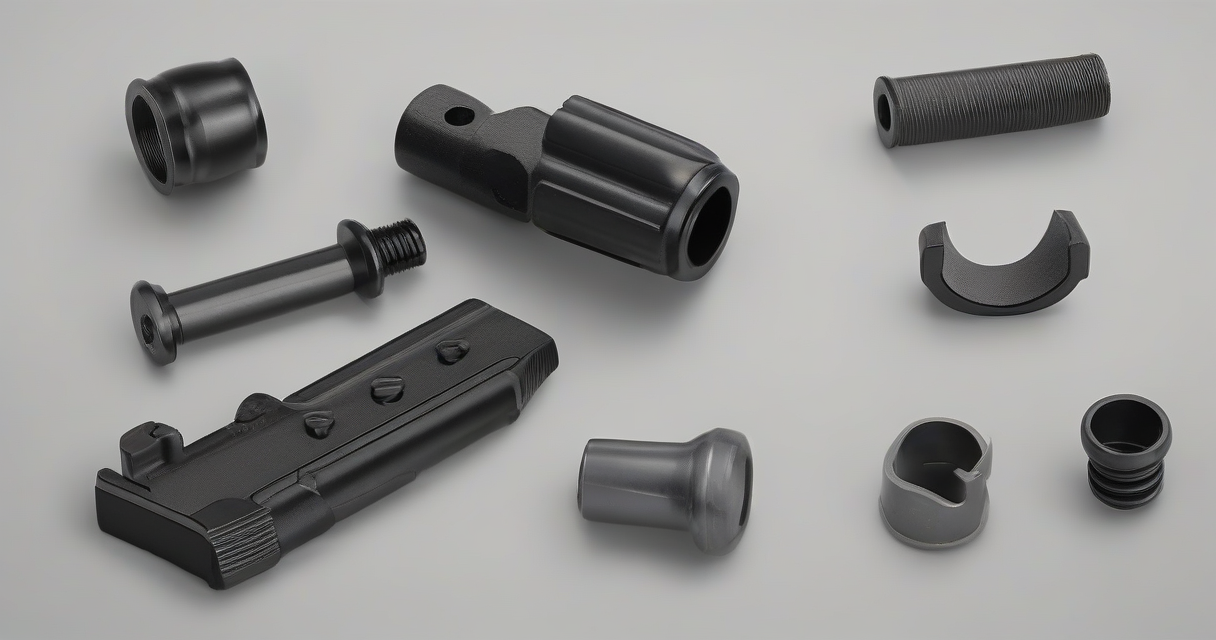
Understanding the different types of airsoft hop-up buckings is essential for anyone looking to improve their gun’s accuracy and range. The hop-up system applies backspin to the BB, allowing it to travel farther and straighter by counteracting gravity. The bucking, a small rubber sleeve inside the hop-up chamber, directly affects how much backspin is applied and how consistent that spin is. Choosing the right bucking type can transform your airsoft experience, but it requires knowledge about the materials, designs, and compatibility with your gun’s barrel and BB weight. This guide will walk you through everything you need to know about airsoft hop-up bucking types, helping you make informed decisions and avoid common pitfalls.
Preparing to Upgrade Your Hop-Up Bucking
Before diving into the various bucking types, it’s important to assess your current setup and what you want to achieve. Start by identifying your gun model and barrel type since some buckings fit better with specific barrels or hop-up chambers. Also, consider the BB weight you usually use, as heavier BBs require a different bucking hardness to maintain optimal backspin. Basic tools like a small screwdriver, tweezers, and silicone oil will be necessary for installation and maintenance. Finally, clean your barrel and hop-up chamber thoroughly to ensure the new bucking seats properly and performs consistently.
Choosing a bucking upgrade is not just about picking the most expensive or popular model; it’s about matching the bucking’s characteristics to your playing style and environment. Indoor CQB fields and outdoor long-range engagements demand different hop-up behaviors. If you’re unsure about your current hop-up’s performance, test fire your gun before upgrading to identify issues like inconsistent grouping or short range, which a new bucking could resolve.
Exploring Standard and Flat-Type Buckings
The two most common bucking designs are the standard and flat-type. Standard buckings have a rounded nub inside that contacts the BB, creating backspin in a predictable way. These are generally softer and provide a good balance of range and accuracy for most airsoft guns. They are especially suitable for beginners or players who prefer a reliable, all-around hop-up performance without much tweaking. Standard buckings typically work well with lighter BBs (0.20 to 0.28 grams) and are easier to install due to their forgiving nature.
Flat-type buckings, on the other hand, feature a flat nub that creates a larger contact patch with the BB. This design can increase backspin but may require more precise hop-up adjustments to avoid over-hop, where the BB arcs excessively. Flat buckings usually have a firmer rubber compound, making them better suited for shooters using heavier BBs (0.30 grams and above) or looking for tighter shot groups at longer distances. However, their rigidity can sometimes reduce consistency if the hop-up chamber doesn’t apply even pressure.
Choosing Between Soft, Medium, and Hard Rubber Compounds
The hardness of the bucking rubber is a key factor affecting the amount of backspin and air seal inside the hop-up chamber. Soft rubber buckings, often rated around 40-50 Shore A hardness, offer excellent grip on the BB, generating strong backspin even at low hop-up settings. This makes them ideal for lightweight BBs and players looking for easy, consistent hop-up adjustments. The downside is that soft buckings wear out faster and can degrade under harsh weather conditions, such as extreme heat or cold.
To see how to properly upgrade your setup, Evike.com Airsoft covers this exact topic in their video, which you can watch right here.
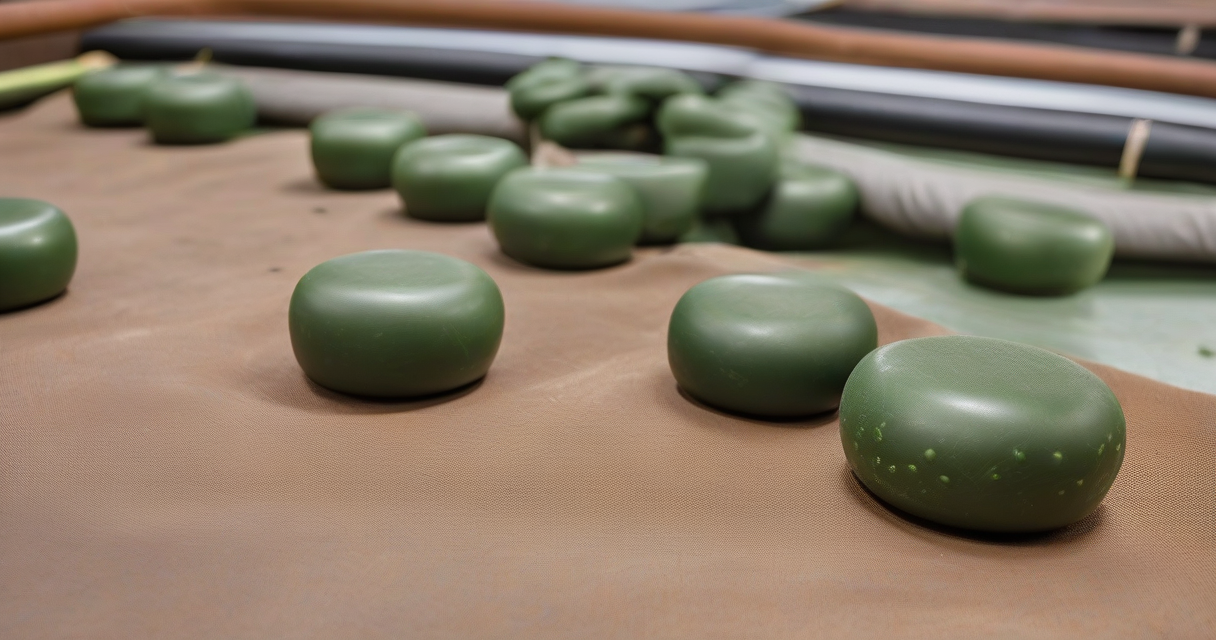
Medium hardness buckings strike a balance between grip and durability. Usually around 60-70 Shore A, they provide reliable backspin across a wider range of BB weights and environmental conditions. This type is popular among players who want a dependable setup without frequent replacements. Hard rubber buckings, with hardness above 70 Shore A, are less common but favored for long-range shooting and sniper builds. They require higher hop-up tension to be effective and work best with heavier BBs, as the firm material resists deformation and maintains consistent spin over time.
Considering Bucking Brands and Specialized Designs
Several manufacturers produce specialized buckings that go beyond the standard and flat types, incorporating unique materials and features. Brands like Maple Leaf, Prometheus, and Guarder offer buckings with enhanced durability, tighter air seals, or integrated nubs designed for specific barrel types. For example, the Maple Leaf Purple or Green buckings are praised for their soft rubber and improved air seal, making them favorites for players seeking a noticeable performance boost without complex tuning.
Some high-end buckings feature multi-layered rubber compounds or micro-textured inner surfaces that increase BB grip and reduce hop-up inconsistencies. Others come with reinforced nubs to prevent deformation under heavy hop-up pressure. When selecting a branded bucking, consider user reviews and compatibility with your hop-up chamber, as some designs may require modifications or precise fitting. Investing in a premium bucking can pay off in terms of accuracy and range, especially for competitive or precision-focused players.
Step-by-Step Installation of a New Bucking
Installing a new bucking is a straightforward process but requires patience and attention to detail to avoid damaging the delicate parts. Begin by disassembling your hop-up unit carefully, noting the position of each component. Remove the old bucking by gently sliding it off the inner barrel, being careful not to scratch the barrel’s surface. Clean the barrel and hop-up chamber using a soft cloth and silicone oil to ensure smooth installation and prevent air leaks.
Next, apply a thin layer of silicone oil to the new bucking to keep the rubber supple and improve the air seal. Slide the bucking onto the barrel, aligning any nubs or ridges with the hop-up chamber’s contact points. Reassemble the hop-up unit, making sure the bucking is seated evenly and the hop-up arm applies uniform pressure. After reassembly, test fire your gun with the chosen BB weight and make incremental hop-up adjustments until you achieve a flat and consistent trajectory.
Common Mistakes When Upgrading Buckings and How to Avoid Them
A frequent error is choosing a bucking that doesn’t match the BB weight or barrel type, leading to inconsistent shots or reduced accuracy. For example, installing a hard bucking in a gun that primarily shoots lightweight BBs can cause under-hop, where the BB fails to gain enough backspin. Another mistake is improper installation, such as misaligning the bucking’s nub or failing to lubricate the rubber, which can cause uneven hop-up pressure and erratic flight paths.
Many players also overlook the importance of cleaning the barrel and hop-up chamber before installing a new bucking. Dirt or residue can prevent the bucking from sealing properly, reducing hop-up performance. Finally, rushing the hop-up adjustment process after installation often results in over-hop or under-hop scenarios. Take your time to test fire and fine-tune the hop-up dial gradually, especially when switching to heavier or lighter BBs.
Optimizing Your Setup for Different Play Styles and Conditions
Once you’ve selected and installed the right bucking, consider how your overall setup influences performance. For close-quarters engagements, a softer bucking paired with lighter BBs and a tight bore barrel can improve quick target acquisition and consistent grouping. For outdoor fields with longer sightlines, a harder bucking combined with heavier BBs and a precision barrel will enhance range and wind resistance. Adjusting your hop-up tension and testing different bucking types can help you find the sweet spot for your preferred play environment.
Environmental factors like temperature and humidity also affect rubber elasticity and BB flight. In colder weather, softer buckings might become too stiff, reducing backspin, while in hot conditions, they may soften excessively, causing over-hop. Regularly inspect your bucking for signs of wear and replace it if you notice cracks or loss of elasticity. Experimenting with buckings of varying hardness and designs will give you the flexibility to adapt your gun’s performance to changing conditions and tactical requirements.

I’ve been drawn to the world of firearms and edged weapons ever since I first visited a local shooting range as a teen. I love exploring the history, technology, and responsible use of these tools, and I enjoy sharing insights with fellow enthusiasts.