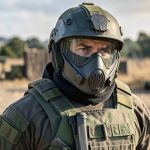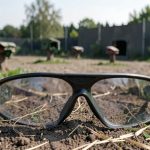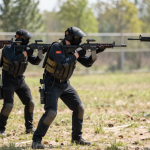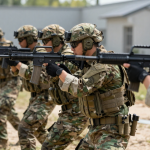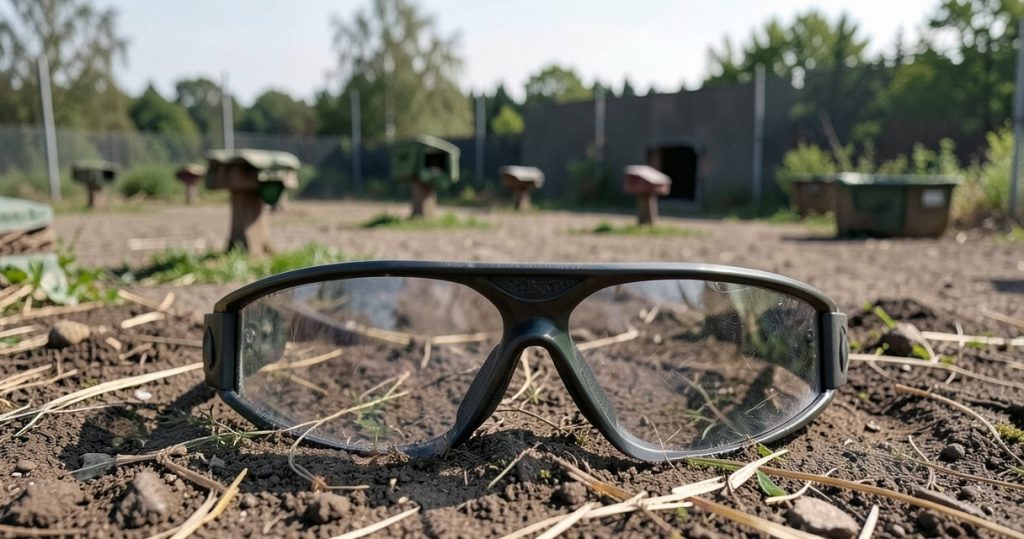
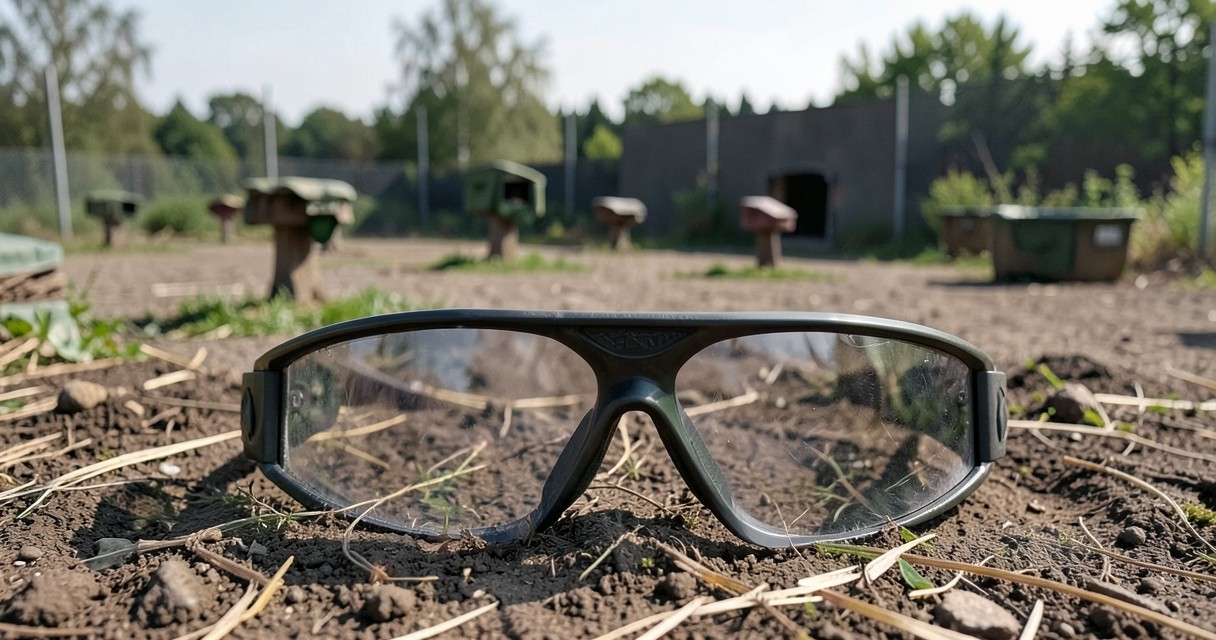
When a BB leaves the barrel, understanding airsoft FPS limits shows it travels fast enough to turn a harmless plastic pellet into a projectile capable of breaking skin, bruising bone, or shattering a cornea. The moment a player steps onto the field, the risk of an accidental hit to the face is present, whether from a stray shot, a ricochet off metal, or a malfunction that sends a slug at an unexpected angle. Protective eyewear is the only barrier that can reliably stop a high speed BB from reaching the eye and causing permanent damage. Because airsoft gun safety rules require wearing proper safety glasses during rapid movement, close quarters, and unpredictable angles, the decision should be treated as a rule rather than an optional tip.
Eye protection is a non‑negotiable requirement on every airsoft field
Most organized airsoft venues list protective eyewear as a mandatory item in the airsoft field rules, and many local jurisdictions have statutes that mirror the same requirement. The rationale behind these rules is simple: a single BB can deliver enough kinetic energy to fracture the delicate bones surrounding the eye, and the resulting injury can lead to long‑term vision loss. Players who skip glasses often rationalize the risk by pointing to the low‑cost nature of the sport, yet the expense of a single pair of safety glasses is trivial compared to medical bills and lost playing time. Enforcing a strict eyewear rule also cultivates a culture of responsibility, reminding participants that the sport’s excitement does not excuse careless behavior.
Field operators who neglect to verify compliance often face liability issues if an eye injury occurs under their watch. Insurance providers frequently demand proof that all participants wore the required protective gear for airsoft before granting coverage for events. This legal pressure pushes venues to adopt standardized testing procedures, such as checking for CE EN166 markings or confirming adherence to ANSI Z87.1 standards. By making safety glasses a non‑negotiable part of the entry process, organizers protect both the players and the reputation of the sport.
Understanding BB velocity and impact forces on the eye
airsoft sniper rifles typically fire BBs ranging from 0.12 to 0.25 gram in weight at velocities between 250 and 350 feet per second using electric or gas powered mechanisms. At those speeds a BB can generate impact forces exceeding 40 joules, a level capable of penetrating thin skin and bruising the orbital bone. The eye itself is a vulnerable organ, with a thin sclera and a delicate cornea that can be punctured by a projectile as small as a BB. Even a glancing hit can cause a hyphema, where blood fills the front chamber of the eye, leading to blurred vision and intense pain.
Studies measuring BB impact on ballistic gel have shown that a 0.20 gram BB at 300 feet per second can create a crater deep enough to reach the inner layers of the eye socket. The energy transfer is not absorbed by the surrounding tissue quickly enough, resulting in a shock wave that can rupture blood vessels. These data points underscore why ordinary sunglasses or cheap plastic lenses are insufficient; they lack the structural integrity to disperse the force of a high speed BB.
Safety standards that define reliable airsoft eyewear
Two primary standards dominate the market for protective eyewear: the American ANSI Z87.1 specification and the European CE EN166 rating. Both require lenses to withstand a direct impact from a steel ball traveling at 150 feet per second without cracking or shattering. In addition, the frames must hold the lenses securely under sudden acceleration, ensuring that the protective barrier remains in place during a hit. Products bearing the “Z87+” or “EN166” label have passed rigorous laboratory tests that simulate real world BB strikes, providing a measurable guarantee of performance.
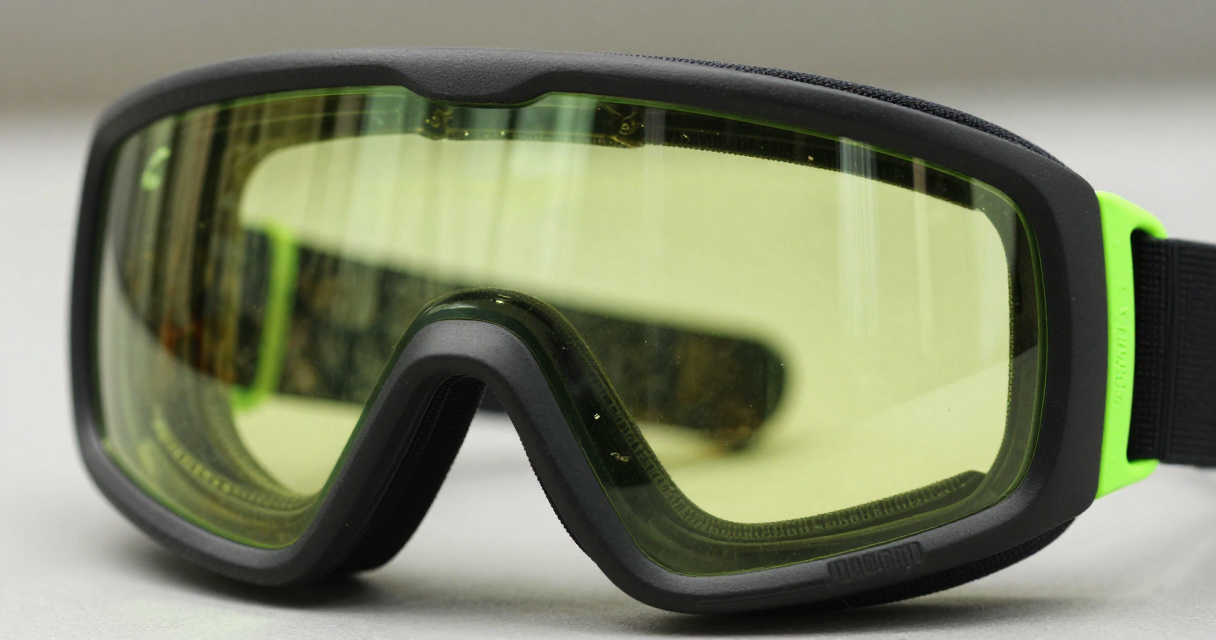
When selecting glasses, players should verify that the certification is clearly stamped on the frame or lens, and that the manufacturer supplies documentation of the testing process. Some budget models claim compliance but lack the proper markings, which can be a red flag indicating substandard construction. Choosing eyewear that meets or exceeds these standards eliminates guesswork and gives confidence that the glasses will survive the impact forces typical of an airsoft match.
Lens technology: clarity, UV shielding, and anti‑fog properties
Modern airsoft optics and sights incorporate polycarbonate lenses that combine high impact resistance with excellent optical clarity. Polycarbonate is roughly twice as strong as standard glass, allowing it to absorb the energy of a BB without breaking. In addition to impact protection, these lenses block more than 99 percent of ultraviolet radiation, a feature that prevents eye strain during outdoor games under bright sunlight. Clear lenses are popular for indoor arenas, while tinted options ranging from amber to gray improve contrast and reduce glare on sunny fields.
Fogging is a common complaint among players who wear goggles or glasses while exerting themselves, as warm breath condenses on the lens surface. Manufacturers address this issue with anti‑fog coatings and ventilation channels that promote airflow without compromising protection. Some premium models also feature scratch‑resistant layers that extend the lifespan of the lenses, ensuring that visual acuity remains sharp even after repeated use. Selecting glasses with these combined features helps maintain performance and comfort throughout long sessions.
Fit and frame design that guarantee consistent protection
A secure fit is as important as the strength of the lenses because a poorly positioned pair can slip, allowing a BB to bypass the barrier entirely. Wrap‑around frames that contour to the orbital bone create a seal around the eye, reducing gaps where a projectile could enter. Adjustable nose pads and elastic temple arms allow users to customize the fit for different head shapes, ensuring that the glasses stay in place during rapid head movements or when wearing helmets. A snug fit also prevents wind from lifting the glasses, which is a frequent cause of accidental exposure.
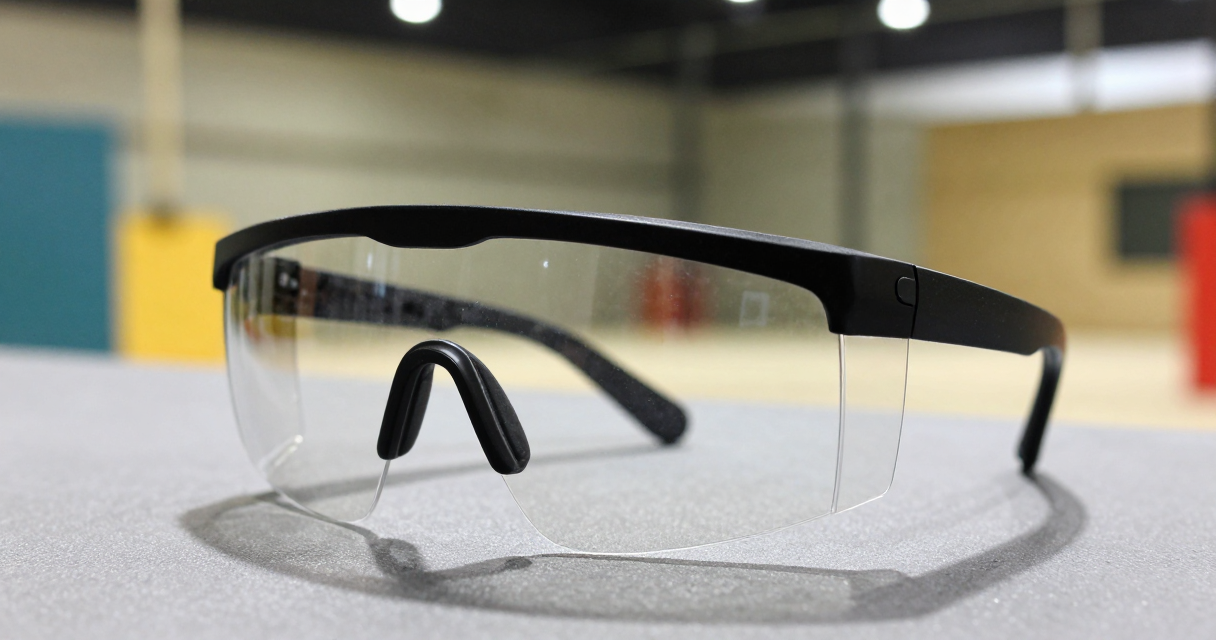
Materials such as lightweight Grilamid or reinforced nylon provide durability without adding excess weight that could cause fatigue. Some designs integrate a secondary strap that ties around the back of the head, adding an extra layer of security for high‑intensity matches. When trying on glasses, players should perform a quick shake test; the eyewear should remain firmly attached with minimal wobble. This simple check can reveal whether the frame will hold up under the dynamic conditions of a real game.
Maintenance, replacement, and best practices for field use
Even the toughest polycarbonate lenses can develop micro‑cracks after repeated impacts, and a compromised lens may shatter under a later strike. Regular inspection after each match is essential: look for scratches, discoloration, or any sign of delamination around the edges. If any defect is found, replace the glasses immediately rather than attempting to repair them, as a patch may not restore the original impact resistance. Cleaning should be done with a soft microfiber cloth and a mild soap solution; harsh chemicals can degrade the anti‑fog coating and weaken the frame material.
Storing safety glasses in a hard case when not in use protects them from accidental drops and keeps the lenses free from dust. Players who travel between fields should carry a spare pair, especially for tournaments where the number of shots fired can be high. Establishing a routine of checking the certification label before each session reinforces the habit of using only approved eyewear. By treating safety glasses as a critical piece of equipment rather than an accessory, players extend the life of their gear and maintain a high level of protection throughout the season.

I’ve been drawn to the world of firearms and edged weapons ever since I first visited a local shooting range as a teen. I love exploring the history, technology, and responsible use of these tools, and I enjoy sharing insights with fellow enthusiasts.