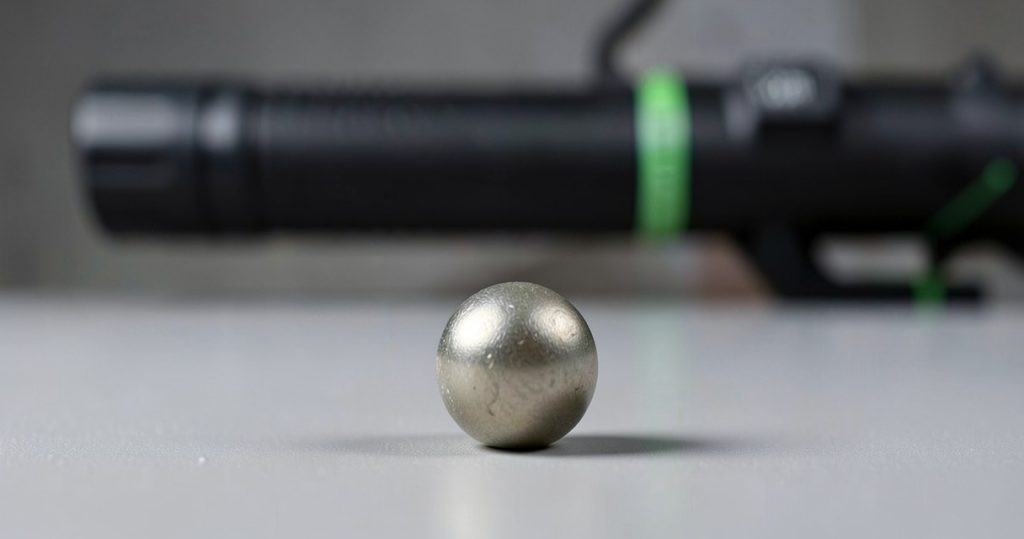
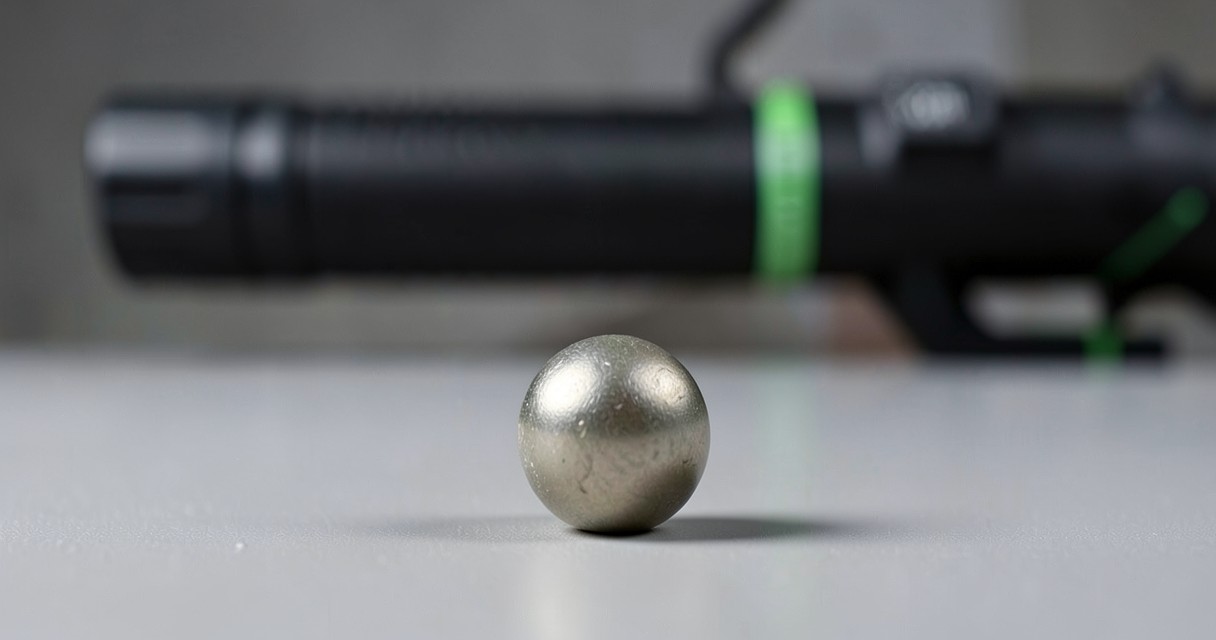
Choosing the right BB weight is one of the most overlooked decisions that can make the difference between a mediocre airsoft session and a truly satisfying performance. While many players focus on brand reputation or price, the mass of the projectile directly influences velocity, range, accuracy, and barrel wear. A well‑matched BB will work harmoniously with your gun’s spring, gearbox, and hop‑up, delivering consistent shots that feel solid and predictable. This article walks you through the physics, the practical implications, and the testing methods you need to make an informed choice, so you can get the most out of every trigger pull.
Understanding BB Weight Basics
BBs are typically measured in grams, with common weights ranging from 0.12 g to 0.45 g. The lighter end of the spectrum, such as 0.12 g and 0.20 g, is favored for high‑velocity builds because the spring can accelerate them more quickly, often reaching 100 m/s or higher in fully upgraded AEGs. Heavier BBs, like 0.30 g and 0.40 g, retain momentum better and are less affected by wind, making them ideal for outdoor fields where consistency over distance matters. The material, usually biodegradable plastic, acrylic, or metal, also plays a role, but weight remains the primary factor that determines how the projectile behaves inside the barrel.
The relationship between mass and kinetic energy follows the equation KE = ½ mv², meaning that for a given velocity, a heavier BB carries more energy. This extra energy translates into deeper impact on targets and a firmer feel when the BB strikes a surface. However, heavier BBs also require more force to achieve the same speed, so the spring strength and gearbox durability become critical considerations. Understanding this balance helps you avoid common pitfalls such as excessive wear or insufficient FPS for your intended play style.
Impact of Weight on Velocity and Trajectory
Velocity is directly affected by BB weight because the same spring force will accelerate lighter projectiles faster. In a standard 0.20 g AEG with a 500‑FPS spring, switching to 0.12 g BBs can boost the muzzle velocity by 30 % or more, but the trade‑off is a shorter effective range and a more pronounced drop due to air resistance. Heavier BBs lose speed more slowly, maintaining a flatter trajectory for a longer distance, which is why many outdoor players prefer 0.30 g or 0.35 g rounds for engagements beyond 30 meters.
Wind resistance also interacts with weight. A light BB can be pushed off course by a gentle breeze, while a heavier BB resists lateral movement, preserving its intended line of fire. This is especially relevant in humid or rainy environments where air density changes. By selecting a BB weight that matches the typical weather conditions of your field, you can reduce the need for constant aim adjustments and improve overall hit probability.
Matching Weight to Spring Power
Every airsoft gun has a spring rated for a specific FPS range, and the optimal BB weight sits within a sweet spot that maximizes performance without overloading the internals. For a 300‑FPS spring, a 0.12 g or 0.20 g BB usually provides the best balance, allowing the gearbox to cycle smoothly while delivering respectable velocity. When you upgrade to a 500‑FPS spring, moving up to 0.25 g or 0.30 g BBs helps keep the bolt’s travel time consistent, preventing premature wear on the piston and seals.
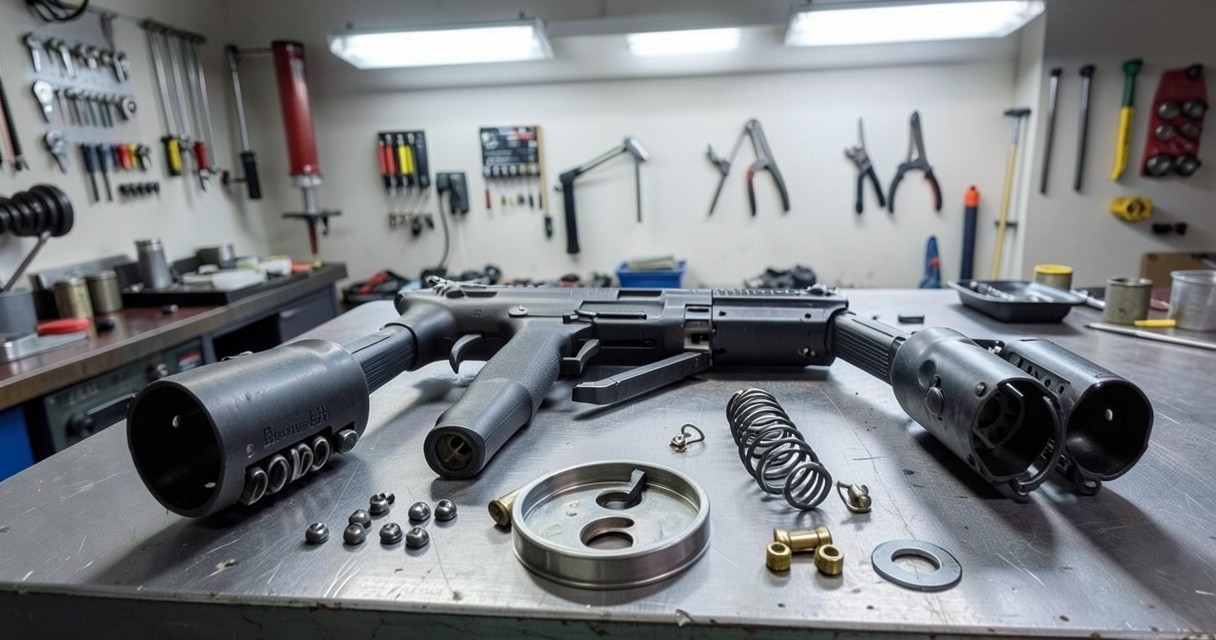
If you push a heavy BB through a weak spring, the gearbox can stall, leading to misfires and increased stress on the motor. Conversely, using a very light BB in a high‑power system can cause the bolt to slam too hard, accelerating wear on the gearbox housing and potentially causing cracks in the outer shell. The key is to view the spring and BB as a matched pair, adjusting one only after confirming the other is within its recommended range.
Choosing Weight for Different Game Types
Indoor or close‑quarter games favor lighter BBs because the reduced travel distance minimizes the impact of weight on velocity, allowing you to fire faster and react quickly. In a confined arena, a 0.12 g BB can give you the edge of a slightly higher FPS, which translates into a tighter engagement window. For outdoor skirmishes, especially those with long sightlines, a 0.30 g BB provides better stability and a flatter trajectory, ensuring that your shots stay on target even at the edge of the field.
Some tactical scenarios, such as sniper‑style engagements, benefit from the balance of a medium‑weight BB like 0.25 g. This weight offers enough mass to maintain energy over distance while still allowing a moderate FPS that keeps the shot under legal limits. Players who enjoy a mix of close and mid‑range combat often keep a selection of BBs on hand, swapping out the weight depending on the map layout and mission objectives.
How Weight Affects Accuracy and Consistency
Accuracy is closely tied to how well a BB fits the barrel’s bore and how consistently it is propelled. Heavier BBs tend to deform less during acceleration, preserving a more uniform shape that aligns with the hop‑up and barrel rifling. This results in tighter groupings and a more repeatable shot pattern, especially in high‑quality barrels with tight tolerances. Lighter BBs, on the other hand, can be more susceptible to deformation, leading to irregular flight paths and wider shot dispersion.
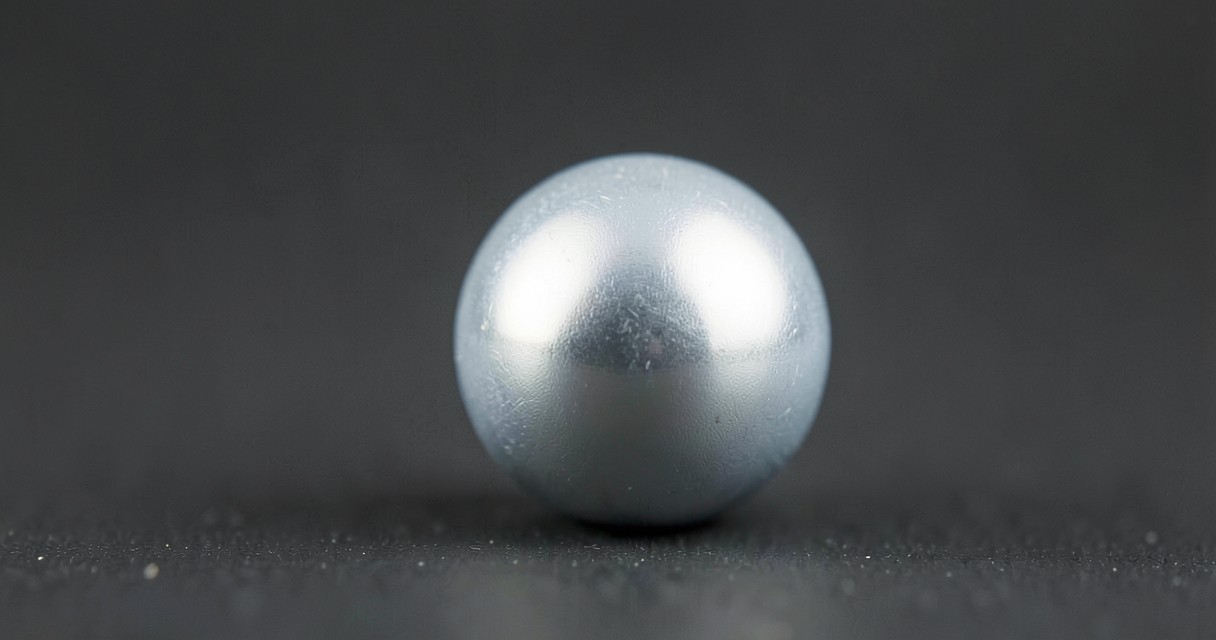
Consistency also depends on the quality of the BB itself. Even within the same weight class, cheap or poorly manufactured BBs can vary in diameter by a few hundredths of a millimeter, causing erratic feeding and inconsistent FPS readings. Investing in reputable brands that guarantee tight tolerances, such as 0.20 g or 0.25 g premium rounds, helps maintain a stable performance across multiple magazines and reduces the likelihood of jams during intense matches.
Practical Tips for Testing and Selecting BBs
Begin by measuring the FPS of your gun with a chronograph using a baseline weight, typically 0.20 g. Record the result and then repeat the test with lighter and heavier BBs, noting any changes in velocity, sound, and felt recoil. A good indicator of a proper match is when the FPS stays within a narrow band, usually plus or minus 5 %, across several shots, indicating that the spring and BB are working harmoniously. If you notice a sharp drop in FPS or frequent misfeeds, the weight is likely mismatched.
After establishing the optimal weight range, fire a series of ten‑shot groups at a target 15 meters away. Measure the spread and look for patterns; a tight cluster suggests the BB is well‑suited to your hop‑up and barrel combination. Finally, consider the wear on your gearbox after extended play. If you detect increased heat or abnormal noises, it may be time to either reduce the BB weight or upgrade internal components to handle the added stress. By following these steps, you can fine‑tune your setup for both performance and longevity.

I’ve been drawn to the world of firearms and edged weapons ever since I first visited a local shooting range as a teen. I love exploring the history, technology, and responsible use of these tools, and I enjoy sharing insights with fellow enthusiasts.