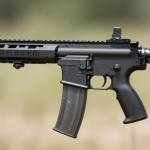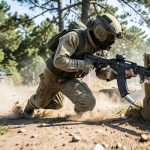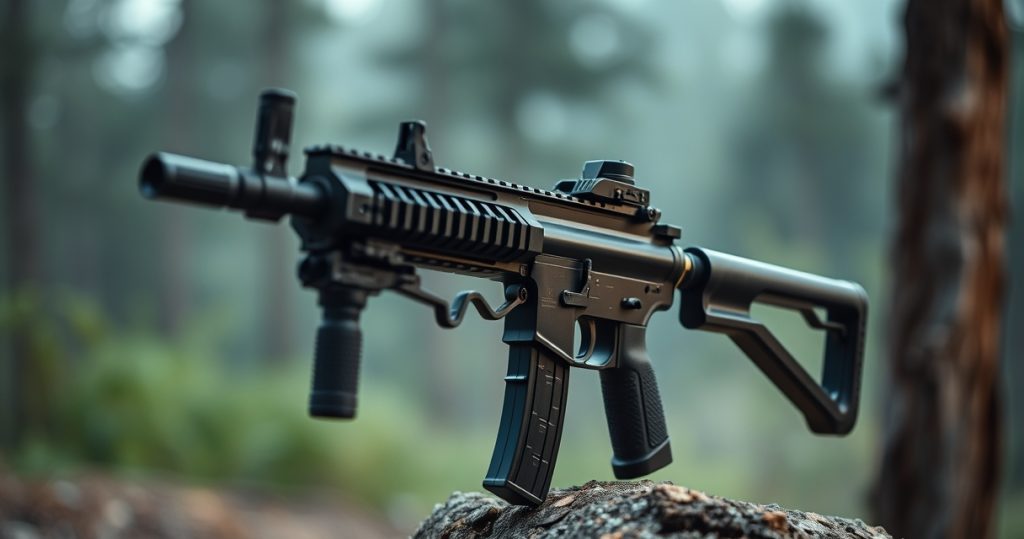
Airsoft guns occupy a unique legal niche in the United States, straddling the line between sporting equipment and firearm-like devices. For enthusiasts, understanding the regulatory framework is essential before buying, transporting, or using a replica that fires 6 mm plastic pellets at velocities typically under 400 feet per second. While the federal government provides a baseline set of rules, each state can impose additional requirements that affect everything from age limits to public carry. This article breaks down the most relevant statutes, recent enforcement actions, and practical steps hobbyists can take to stay on the right side of the law.
Federal Definition and Classification of Airsoft Guns
At the federal level, the Bureau of Alcohol, Tobacco, Firearms and Explosives (ATF) does not classify airsoft guns as firearms, provided they meet specific criteria. The key factor is the muzzle energy; a replica must generate less than 0.5 joules of kinetic energy, which translates to roughly 1 foot‑pound of force. Devices that exceed this threshold can be re‑designated as “non‑taxable firearms” and may fall under the National Firearms Act if they possess certain features such as a barrel length under 16 inches. The ATF also requires that airsoft guns be clearly marked with an orange tip or other visible identifier to differentiate them from real weapons.
Federal law also imposes restrictions on the importation of airsoft replicas. The Customs and Border Protection (CBP) agency screens shipments for compliance with the 0.5 joule rule and can seize items that appear to be unmarked or modified to exceed legal limits. While the ATF does not mandate background checks for sales, it does prohibit the sale of airsoft guns to anyone who has been convicted of a violent felony or is otherwise prohibited from possessing firearms. This baseline framework creates a uniform standard that most manufacturers and retailers must follow across the country.
Age Restrictions and Purchase Requirements
Most states set the minimum age for purchasing an airsoft gun at 18, mirroring the age threshold for many real firearms. However, a few jurisdictions allow minors to acquire airsoft replicas if they have parental consent and are accompanied by an adult during the transaction. Retailers often require a photo ID to verify age, and many voluntarily implement a “18‑plus” policy regardless of local law to avoid legal complications. Some states also mandate that retailers keep a log of every sale, including the buyer’s name, address, and date of purchase, which can be inspected during an ATF audit.
In addition to age limits, federal law prohibits the sale of airsoft guns to individuals who are subject to restraining orders related to domestic violence. This restriction aligns with broader efforts to keep potentially dangerous equipment out of the hands of people who pose a heightened risk. Retailers who fail to verify compliance may face civil penalties, and in extreme cases, criminal charges for knowingly selling to a prohibited person. For hobbyists, understanding these age and eligibility rules can prevent costly legal entanglements and ensure safe participation in the sport.
State-by-State Variations and Notable Restrictions
While federal guidelines provide a common foundation, state legislation can introduce significant differences. California, for example, treats airsoft guns that can fire above 350 feet per second as “dangerous weapons,” requiring owners to obtain a state permit and adhere to strict storage protocols. New York imposes a ban on any replica that resembles a real firearm, regardless of velocity, and mandates that all airsoft guns be rendered inoperable when not used on a private range. Texas, on the other hand, permits open carry of airsoft replicas in most public spaces, but local municipalities may impose ordinances that restrict use in parks or near schools.
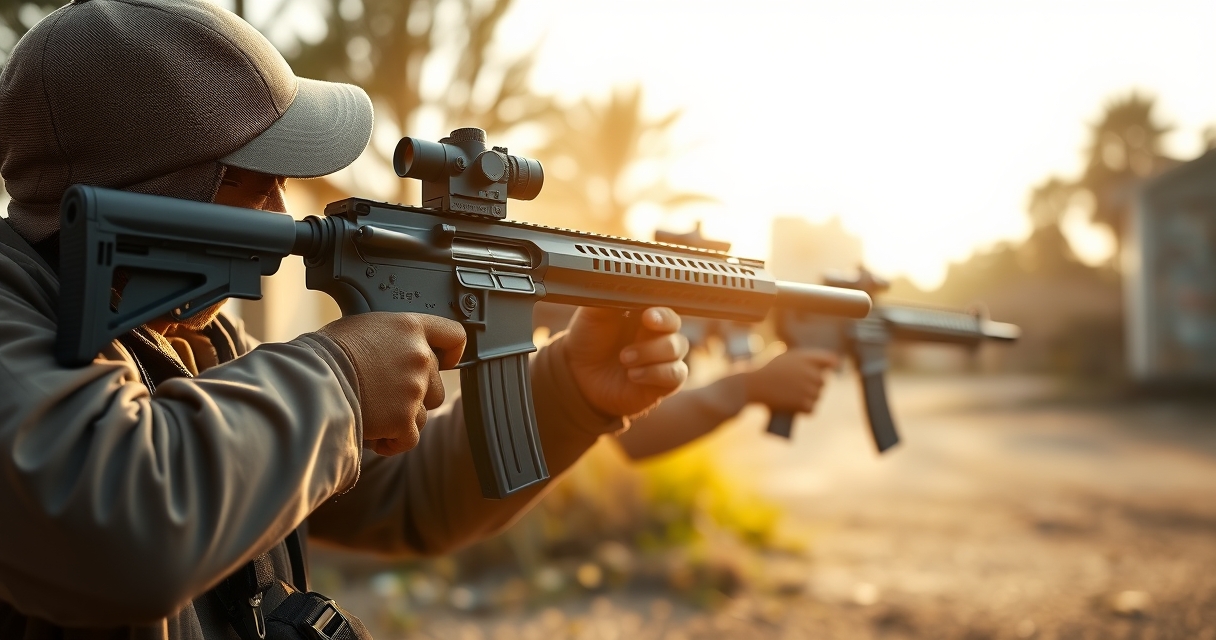
Midwest states such as Illinois and Michigan have enacted “toy gun” statutes that penalize the discharge of airsoft guns in public areas where a reasonable person could mistake them for real firearms. These laws often carry misdemeanor charges and can result in confiscation of the weapon. In the Pacific Northwest, Washington state requires that any airsoft gun purchased for use in a public park be equipped with a bright orange marker to enhance visibility. Understanding these regional nuances is critical for anyone who travels with their equipment across state lines or participates in multi‑state tournaments.
Transportation, Storage, and Public Use Rules
Transporting an airsoft gun safely and legally involves more than just packing it in a bag. Federal regulations advise that the weapon be unloaded, stored in a case, and that the orange tip remain visible to avoid confusion with a real firearm. Many states expand on this guidance by requiring that the case be locked when the gun is not actively in use, especially in vehicles. For instance, Florida law mandates that any replica firearm be placed in a sealed container if it is being transported in a passenger vehicle, and that the container be kept out of reach of passengers under the age of 18.
Public use of airsoft guns is typically confined to designated fields, private property, or organized events that have obtained the necessary permits. Some jurisdictions, such as Colorado, require that any public demonstration of an airsoft gun be preceded by a written safety plan approved by local law enforcement. Failure to comply with these rules can result in charges ranging from disorderly conduct to aggravated assault if an onlooker believes the replica is a real weapon. Hobbyists should always carry documentation of their membership in a recognized airsoft association, as this can help clarify intent during encounters with law enforcement.
Import, Export, and Customs Enforcement
Customs agents regularly intercept shipments of airsoft guns that do not meet U.S. standards, especially during large‑scale operations aimed at curbing illegal trafficking. In a recent seizure, over 100 airsoft rifles were confiscated in Louisville, highlighting the agency’s focus on ensuring that imported replicas carry the required orange tip and conform to the 0.5 joule energy limit. The seized items were destined for wholesale distributors, and the operation resulted in fines and mandatory destruction of the non‑compliant products.
Exporting airsoft guns from the United States also carries obligations. The ATF requires exporters to obtain a license if the destination country classifies the replica as a firearm, which can happen in regions with stricter weapon controls. Failure to secure the appropriate paperwork can lead to penalties that include forfeiture of the goods and criminal prosecution. Companies that specialize in airsoft equipment often work with customs brokers to navigate these complexities, ensuring that each shipment includes the necessary documentation and markings to satisfy both U.S. and foreign regulations.
Recent Legal Cases Involving Airsoft Firearms
High‑profile incidents have brought airsoft guns into the courtroom, shaping public perception and influencing legislative proposals. In one notable case, two individuals were arrested after allegedly firing an airsoft replica at anti‑government protesters, an act that prosecutors classified as aggravated assault despite the low kinetic energy of the projectile. The defendants faced charges that could carry up to five years in prison, underscoring the seriousness with which courts treat the misuse of replica firearms in volatile situations.
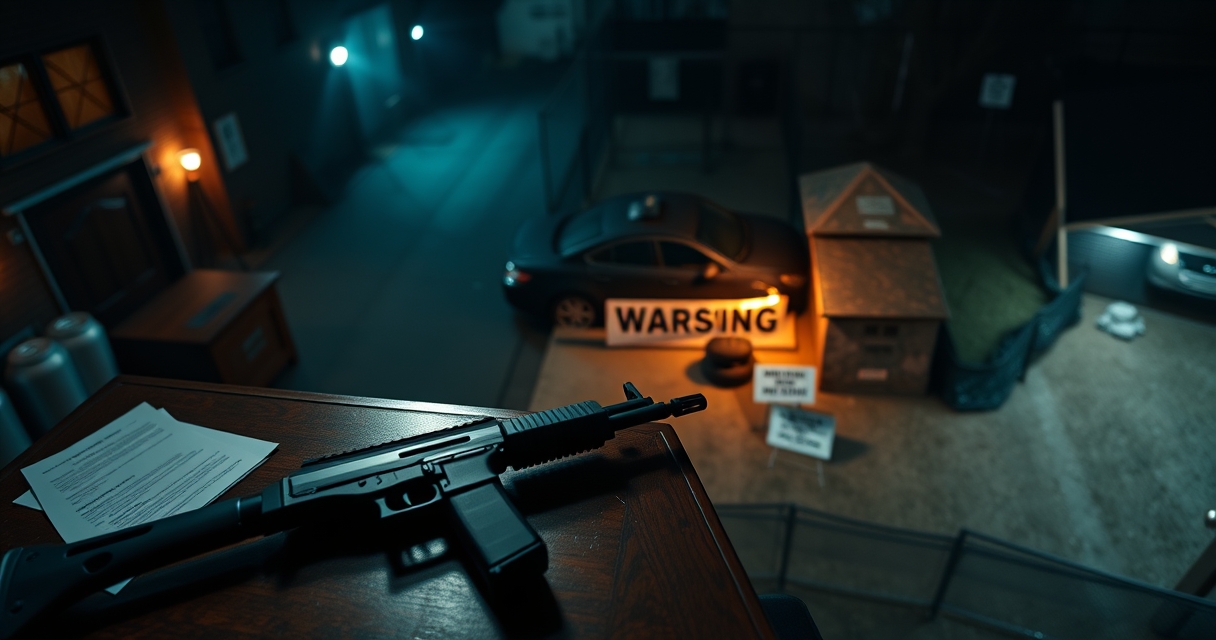
Another case involved a group of teenagers who were charged after discharging airsoft guns in a residential neighborhood, prompting a local ordinance that now requires any airsoft activity to be conducted behind a fence and under adult supervision. These legal outcomes demonstrate that the intent behind using an airsoft gun, as well as the context, can dramatically affect the severity of the charges. For participants, it is essential to recognize that even a seemingly harmless replica can become a legal liability if used in a manner that endangers public safety.
Compliance Tips for Hobbyists and Retailers
Staying compliant starts with thorough knowledge of both federal and state statutes. Hobbyists should keep a copy of the ATF’s guidelines on replica firearms, verify that every airsoft gun they own bears the required orange tip, and maintain a log of purchases and modifications. When traveling across state lines, it is prudent to research the destination’s specific regulations ahead of time, as some states impose stricter velocity limits or outright bans on certain designs. Carrying proof of ownership, such as a receipt or membership card, can also help clarify intentions during encounters with law enforcement.
Retailers bear a heavier burden of responsibility, as they must ensure that every sale complies with age restrictions, background checks where applicable, and proper record‑keeping. Implementing a written policy that outlines the steps for verifying buyer eligibility, marking each replica, and reporting suspicious activity can protect the business from legal exposure. Training staff on the nuances of state laws, especially in regions with rapidly changing legislation, is an investment that pays off by reducing the risk of fines or criminal charges. By adopting these proactive measures, both enthusiasts and sellers can enjoy the sport while respecting the legal framework that governs airsoft firearms in the United States.

I’ve been drawn to the world of firearms and edged weapons ever since I first visited a local shooting range as a teen. I love exploring the history, technology, and responsible use of these tools, and I enjoy sharing insights with fellow enthusiasts.