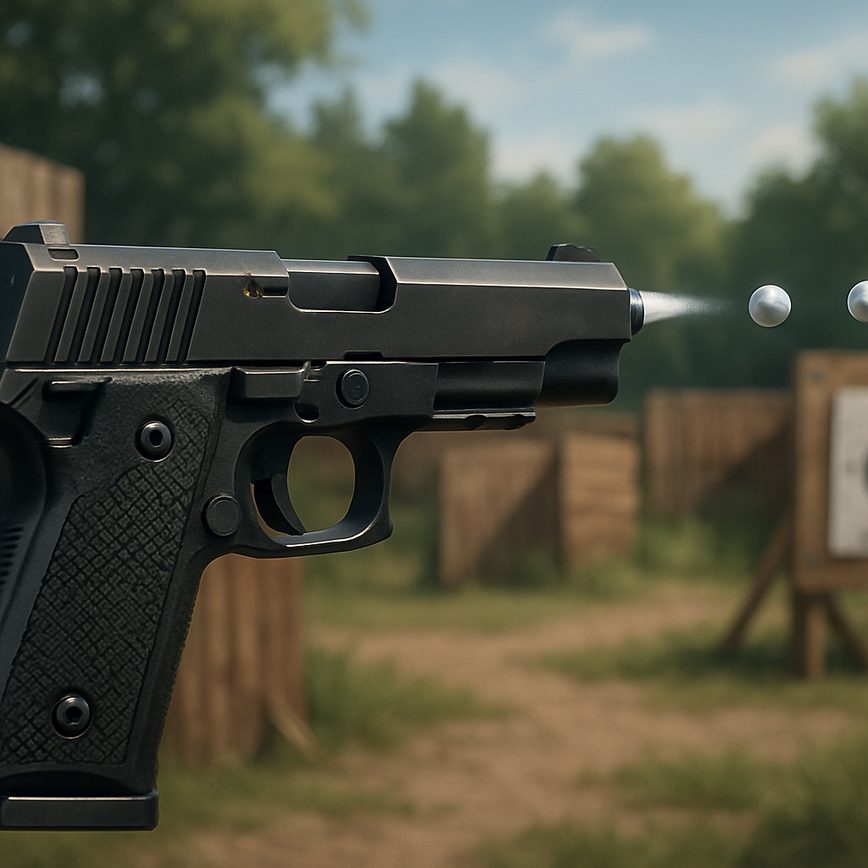
What is Airsoft FPS and Why It Matters
In the world of airsoft, the term airsoft FPS is fundamental to understanding the mechanics and safety aspects of the game. FPS stands for feet per second, which is a measure of the velocity at which a BB, the small plastic projectile used in airsoft guns, is fired from the weapon. Essentially, it quantifies the speed of the BB as it leaves the barrel, reflecting the power behind each shot.
The importance of measuring FPS lies in ensuring the game remains safe for all players. Because airsoft guns use compressed air or springs to propel BBs, the velocity at which these BBs travel can vary significantly between different models and setups. By regulating FPS, airsoft fields and events can control the power of the guns being used, preventing injuries and maintaining a level playing field. This is why airsoft power limits are strictly enforced at most organized airsoft events and facilities.
FPS limits serve a dual purpose: they protect players from potential harm and preserve the integrity of the game. A higher FPS means a BB travels faster and hits with more force, which can increase the risk of injury if not properly managed. Conversely, keeping the velocity within reasonable limits ensures that hits are felt but not damaging, promoting safety. Additionally, the limits ensure fairness by ensuring that no player gains an unfair advantage by using an excessively powerful airsoft gun. This balance is crucial for player enjoyment and competitive fairness.
Understanding the velocity of BBs through FPS helps players select appropriate equipment that complies with field regulations. It also aids in customizing guns for different types of gameplay, such as close-quarter battles or long-range skirmishes, where FPS limits vary accordingly for safety and tactical reasons. Overall, recognizing the importance of FPS and adhering to the established limits is key to responsible airsoft play, ensuring an exciting yet safe experience for everyone involved.
Definition and Measurement of FPS
FPS, or feet per second, is a standard measurement used to describe the velocity of an airsoft projectile as it exits the barrel of a gun. Understanding fps definition is crucial for both safety and performance in airsoft gameplay, as it helps players gauge the power of their airsoft guns and adhere to field regulations.
The most common method to measure fps is by using a chronograph, a device designed specifically for this purpose. Chronographs work by detecting the time it takes for the BB to pass between two sensors positioned along its flight path. This allows the device to calculate the velocity accurately. Many airsoft fields and shops employ chronographs to test and verify the airsoft velocity of players’ guns before allowing them into games.
Several factors can affect FPS readings in airsoft guns. Temperature and humidity can influence the internal air pressure, altering the velocity of each shot. The type and weight of the BB used also play a significant role — heavier BBs tend to fly slower, while lighter BBs achieve higher fps readings. Additionally, the consistency and quality of the gun’s internal components, such as the spring, hop-up, and barrel, impact the overall fps and accuracy. It’s important to measure fps on a regular basis, especially after making upgrades or modifications to an airsoft gun, to ensure consistent performance and compliance with safety standards.
Safety and Gameplay Impact of FPS Limits
FPS safety is a critical aspect of airsoft safety rules, designed to protect players from injuries caused by high-velocity projectiles. By enforcing strict FPS limits on airsoft guns, organizers can reduce the risk of pain or harm that might result from being hit during gameplay. Lower FPS limits ensure that the force of each shot remains within safe thresholds, minimizing accidents and promoting a secure environment for all participants.
Beyond safety, FPS restrictions also have a significant fps impact on gameplay balance. They help level the playing field by ensuring that no player gains an unfair advantage due to overly powerful equipment. This is especially important in matches where players of various skill levels compete together, as well as in different environments—whether outdoor fields or indoor arenas, where the potential for injury or damage varies.
Adhering to gameplay rules that include FPS limits encourages strategic play rather than reliance on raw firepower. Players must focus on tactics, teamwork, and precision instead of simply shooting harder or faster. Consequently, FPS safety and gameplay rules contribute to a more enjoyable and fair experience, maintaining the spirit of competition and camaraderie among airsoft enthusiasts.
Understanding Common Airsoft FPS Limits
FPS limits are a critical aspect of airsoft field rules and fps regulations, established to ensure safety and fairness during gameplay. Different airsoft fields and leagues implement these limits based on the types of guns used and specific game scenarios. Common fps limits vary, but there are typical fps values you can expect when participating in airsoft events.
The most common fps limit for standard airsoft rifles, such as AEGs (Automatic Electric Guns), is usually set between 350 and 400 fps. This range balances safety with sufficient power to simulate realistic combat encounters. Fields often set this limit knowing that rifles tend to shoot further and with more consistency than pistols or sniper rifles.
Pistols typically have lower fps limits to reflect their shorter engagement distances and reduced power output. Many airsoft fields enforce pistol fps limits ranging from 280 to 350 fps. This helps maintain clear distinctions between weapon classes and encourages varied tactical play.
Sniper rifles are another category where specific fps regulations are common. These guns often have higher fps limits, sometimes ranging up to 450 or even 500 fps, due to their long-range role. However, fields may compensate by requiring the use of heavier BBs and stricter engagement distances to prioritize safety.
In addition to these general categories, some airsoft fields introduce specialized rules based on game type or scenario. For example, CQB (Close Quarters Battle) arenas generally enforce more stringent fps limits, often capping at 300 fps or less to minimize injury risk in confined spaces. Outdoor fields, with larger and more varied terrain, allow higher fps values to accommodate longer sightlines and varied tactical roles.
Understanding and adhering to fps limits is essential for any airsoft player. These limits not only comply with airsoft field rules but also foster a safer and more enjoyable environment for all participants. Familiarize yourself with the typical fps values for your preferred gun type and the scenario you are playing to ensure smooth gameplay and avoid penalties.
Typical FPS Limits for Rifles and Pistols
In the world of airsoft, fps rifle limits and fps pistol limits are crucial factors that help define the rules and safety protocols of the game. Typically, rifles are allowed a higher fps limit compared to pistols because of their design and intended role on the field. Standard fps rifle limits generally fall around 400 to 450 fps with 0.20g BBs, which provides a balance between power and safe play. On the other hand, fps pistol limits are usually set lower, around 300 to 350 fps, due to the pistols’ shorter barrels and close-range combat role, making them less powerful but offering greater safety during gameplay.
In addition to these two primary airsoft gun categories, sniper rifles often have a distinct fps limit. Since sniper rifles are designed for long-range precision, their fps limits can be higher, sometimes reaching up to 500 fps or more. However, many fields impose strict minimum engagement distances for these high-fps sniper rifles to ensure safety. These distinctions in fps limits among rifles, pistols, and sniper rifles exist to maintain a fair and safe playing environment. They reflect the varying mechanics and expected use of each airsoft gun category, balancing game realism with player safety regulations.
Special FPS Rules for Different Game Types
FPS limits in airsoft can significantly vary depending on the game type, reflecting the unique demands and safety considerations of each environment. In close-quarters battle (CQB) settings, lower game type FPS limits are generally enforced. This is due to the confined spaces and proximity of players, where higher velocity airsoft BBs could cause injury or damage equipment. Consequently, CQB fields often limit guns to around 300 FPS or less, ensuring a safer and more enjoyable experience for participants engaged in rapid, close-range firefights.
Outdoor skirmish games tend to have higher FPS allowances because the environment is more open, allowing players greater distance to engage targets. Scenario FPS limits in outdoor settings might reach up to 400-450 FPS, enabling players to effectively participate in longer-range engagements. These limits balance the need for realism and competitive fairness while maintaining player safety over larger and more varied terrain.
Military simulation (milsim) events often adopt strict military simulation FPS rules to replicate real-world combat as closely as possible. Milsim FPS limits vary but typically stay within safe ranges around 350-400 FPS to maintain realism without compromising safety. These events emphasize strategy, tactics, and authenticity, so the FPS limits are tailored not only for safety but also to enhance the immersive experience for participants.
How to Manage and Adjust Your Airsoft Gun’s FPS
Managing and adjusting the FPS (feet per second) of your airsoft gun is essential for complying with field regulations and optimizing your gameplay experience. The first step in effective FPS management is accurately measuring your gun’s current FPS. To do this, use a reliable chronograph, a device specifically designed to measure the velocity of your BBs as they leave the barrel. Chronographs are affordable and widely available, making them an indispensable tool for any airsoft player looking to tune their airsoft gun.
Once you have a baseline measurement, you can begin tuning your airsoft gun to meet field requirements. Many fields enforce maximum FPS limits to ensure player safety, so adjusting your gun’s velocity is crucial. Common methods to adjust FPS include changing the spring tension, modifying the hop-up unit, or swapping out gears and motors if you have an electric airsoft gun. Lowering the spring tension or using a weaker spring will reduce the FPS, while upgrading these components can increase it.
Another practical tip for FPS management is ensuring your airsoft gun is well-maintained. Clean the barrel regularly, lubricate moving parts, and make sure your gas or battery supply is consistent. Inconsistent power sources can lead to fluctuating FPS, which might cause your gun to unintentionally exceed the field limits. Keeping your gun in prime condition will help maintain stable FPS performance.
When performing airsoft gun upgrades, always be mindful of how these changes affect FPS. Upgrading internal components like the spring, piston, or cylinder can drastically alter the velocity, so recheck your FPS after any modification. This practice ensures you stay within safe and legal limits while enhancing your gun’s performance. Additionally, some players use adjustable components such as variable springs or electronic controls that allow for fine-tuning the FPS on the fly, providing flexibility for different play environments.
In summary, successfully managing and adjusting your airsoft gun’s FPS involves using a chronograph for accurate measurement, performing careful maintenance and upgrades, and making adjustments with safety and field regulations in mind. By consistently tuning your airsoft gun and monitoring its FPS, you can enjoy a safe, compliant, and competitive airsoft experience.
Upgrading and Tuning for FPS Control
Controlling the FPS of your airsoft gun is essential for performance and compliance with game field limits. One of the most common techniques involves airsoft upgrades centered on internal components. A popular method is spring replacements, where changing the spring to a lighter or heavier one directly adjusts the velocity of the BBs, thus affecting FPS. This simple swap allows players to fine-tune their gun’s power output to meet specific FPS requirements.
Another key area for tuning is the hop-up system. Hop-up adjustments influence the backspin applied to the BB, which can improve range and accuracy but also subtly impact FPS. Properly tuning the hop-up not only enhances shooting precision but can help ensure the gun performs within desired FPS limits by optimizing BB flight dynamics. Combining hop-up adjustments with spring swaps creates a balanced setup for consistent performance.
Other internal upgrades that contribute to FPS control include upgrading the piston, cylinder, and air nozzle to improve air seal and compression efficiency. Better sealing helps maintain stable FPS across shots, avoiding fluctuations that can lead to out-of-limit shots during gameplay. These internal tweaks often go hand-in-hand with external mods to achieve desired performance standards.
Overall, airsoft upgrades for FPS tuning are about customizing the internal mechanics like spring replacements and hop-up adjustments to tailor your gun’s output. Whether aiming for a specific FPS limit or enhancing reliability, understanding these techniques is crucial for any airsoft enthusiast focused on optimal FPS control.
Testing FPS Before Games
Testing your airsoft gun’s FPS before attending games is a crucial pre-game check to ensure safety, compliance with field regulations, and optimal performance. Using a chronograph to measure FPS accurately allows players to verify that their equipment meets the specified limits, preventing potential disqualification or the need for on-site adjustments. Regular fps testing helps maintain consistency in gameplay and reduces surprises during matches.
When conducting fps testing with a chronograph, it’s important to follow consistent measurement practices. Always use the same chronograph device and test in a similar environment to minimize variables affecting the readings, such as wind, temperature, or battery level. Take multiple shots and average the results for a reliable measurement rather than relying on a single reading. This method ensures that your fps data reflects true performance rather than outliers.
Another tip is to perform these pre-game checks regularly, especially after upgrading or modifying your airsoft gun. This routine not only guarantees compliance with game rules but also helps identify any scaling or mechanical issues early on. By prioritizing fps testing as a standard part of your pre-game preparation, you contribute to a safer and more regulated airsoft community.

I’ve been drawn to the world of firearms and edged weapons ever since I first visited a local shooting range as a teen. I love exploring the history, technology, and responsible use of these tools, and I enjoy sharing insights with fellow enthusiasts.